
Blog

How to Clean Patio Furniture: Simple Care Tips

Share with:

Nothing ruins a sunny afternoon faster than dirty, faded patio furniture. You plan to relax outside, but the moment you sit down, dust, pollen, or stains remind you it’s been a while since you gave your furniture a proper clean. Many homeowners face this same problem every season: how to clean patio furniture without damaging it.

The good news? You don’t need fancy tools or hours of scrubbing. With the right cleaning approach, your outdoor chairs, tables, and loungers can look as good as new again. Whether your set is wood, metal, or plastic, regular care keeps it lasting longer and ready for every barbecue or quiet morning coffee.

If you’re updating your space or need new gear, choosing a trusted outdoor equipment supplier can also help you find easy-to-maintain, weather-resistant furniture built to last. But first, let’s make sure what you already have stays spotless and fresh all year round.

Why Good Maintenance Matters

Outdoor furniture gets hit hard. Sun, rain, dust, pollen, and spills, all of it adds up. Left unchecked, grime and weather damage can shorten the life of cushions, fade coatings, rust metal frames, or crack wood. According to cleaning guides, a mild soap and water approach does much of the job. By developing a simple routine, you avoid major deep-cleans or replacements. Your outdoor setup stays fresh, usable, and welcoming.

Step 1: Prepare Properly Before You Clean

First, move the furniture into a shaded or covered space if you can, or at least choose a day when rain isn’t expected. Sweep off the obvious dirt, leaves, or debris from surfaces and cushions. Remove cushions and separate covers if possible; cleaning frames and fabrics separately helps prevent damage. Some sources suggest rinsing with a hose and then using a mild soap solution.

Step 2: Cleaning Different Materials (and What Works Best)

Metal, Plastic & Resin Frames

Most metal (aluminum, steel) and plastic/resin furniture handles a simple rinse with warm water plus a few drops of gentle dish soap. Use a soft-bristle brush or sponge for frames, then rinse thoroughly and dry. Metal frames risk rust if water is left pooled. Avoid using harsh chemicals or aggressive tools on these surfaces. 

Wooden Furniture

Wood needs extra care because it reacts to moisture, sun, and temperature swings. Begin with soap and water to remove dirt. If you observe cracking, fading, or absorption of water (no longer beading on the surface) it’s time to apply oil or sealant. 

Avoid strong pressure-washing unless the wood is rated for it; too much force can damage grain or loosen joints. 

Wicker, Rattan & Natural Weaves

These materials trap dust in crevices. Vacuum with a brush attachment or dust thoroughly before wiping with a mild soap solution. Avoid soaking; let pieces dry thoroughly.  

Cushions, Fabrics & Upholstery

Fabrics behave differently depending on whether they have removable covers or not. Check labels. For removable covers, wash in cold water with mild detergent if the label allows. For fixed cushions, vacuum first, then spot-clean with mild soap or fabric-safe cleaner, rinse, and air dry. Mold and mildew are bigger risks if moisture remains.

Plastic Lumber or Resin Materials

These are among the lowest-maintenance, but still need basic cleaning: soap and water do the job for many. Some plastic pieces can handle diluted bleach for hard-to-remove marks—but test first and check compatibility.

Step 3: Deep Cleaning and Maintenance Schedules

How often you clean depends on your use and climate. If your furniture sits by a pool, in the sun, or under trees, more frequent cleaning pays off. One major home-care site suggests a deep clean at least twice a year: once in spring and again in fall.  

For other pieces, light cleaning every few weeks, coupled with an end-of-season more thorough wash, is practical. Don’t skip checks for rust, loose screws, worn cushions, or cracked wood; addressing these early avoids bigger jobs later.

Step 4: Protecting and Storing Your Furniture

Use Covers & Proper Storage

When your furniture is not in use, especially during off-season or bad weather, covering and storing cushions indoors or in weather-resistant boxes helps. Moisture, pests, and sun exposure are big risks. The major Swedish retailer recommends storing cushions in dry places and covering frames if they’re plastic or wood. 

Apply Protective Coatings

Wood, metal, and some plastic pieces benefit from protective coatings. For wood, a penetrating oil or sealant helps repel water and UV damage. For metal, inspecting for rust and applying rust inhibitor or wax keeps surfaces intact. Cleaning guides warn that harsh chemicals can damage finishes, so stick with gentle protectants.  

Shield from Sun and Elements

Direct sunlight fades fabrics and weakens materials. If possible, place your furniture in partial shade, or add umbrellas/shade sails to the mix. If you live in an extreme environment (very humid, salty air, heavy snow) additional protection may be needed.

Step 5: Small Repairs & Refreshing Look

Scratches on wood, chipped metal paint, torn cushions, these happen. Instead of letting them worsen, deal with them early. Tighten screws on wobbling chairs, replace damaged cushion covers, sand, and re-stain wood or touch up metal paint. Keep your outdoor furniture looking like new rather than waiting until it’s ruined. 

Updating accessory pieces like new cushions, fresh cover fabrics, or replacing rust-prone hardware gives places a quick refresh without full replacement.

Step 6: Material-Specific Advanced Tips

For Wicker/Rattan

Wicker in humid regions might grow mildew. A soft solution of soap and water, followed by full drying in the sun, helps. One blog also recommends choosing furniture with fabrics designed for outdoor use (for example, Sunbrella) to avoid quick deterioration. 

For Metal Frames

Inspect hidden areas where water may pool or salt accumulate (near pools or coastal homes). Remove rust spots with white vinegar, scrub gently, rinse, and dry. Then apply a protective finish or wax.  

For Wood Furniture

Wood softens when wet and cracks if dried too fast. After soap cleaning and drying, apply a wood oil or UV-resistant sealant. If rain no longer beads on the surface and is absorbed, it’s time to re-treat. 

For Fabric / Upholstery

Spot cleans are vital for food and drink spills. If mildew appears, treat with a soap and vinegar mixture, rinse, and dry in full sun. Also, rotate the cushions so one side doesn’t fade faster.  

How Professionals Can Help

Outdoor equipment professionals do more than just supply furniture; they support the longevity and functionality of your space. They offer personalized care kits, protective covers, and provide advice on material-specific cleaners and sealants. For larger sets, built-ins, or pieces that require custom cushions or covers, they can assist with sourcing, fitting, and even seasonal storage solutions. Their expertise ensures prompt maintenance, keeping your investment in top condition with the right products and expert advice.

Conclusion

Your outdoor furniture deserves attention, because it does so much for you. When you dedicate even a little effort to learning how to clean patio furniture, you’re protecting comfort, style, and longevity all at once. Mild soap, proper rinsing, seasonal routines, and smart storage turn weather-worn sets into welcoming outdoor spots year after year.

Working with a reliable outdoor equipment supplier gives you access to right-fit products, covers, care kits and expert advice. Let your outdoor furniture reward you with long afternoons, casual dinners, and relaxed mornings, knowing it’s clean, cared for, and ready for every moment. Start your upgrade, your future self will thank you.

FAQs About Patio Furniture Cleaning Tips

How often should I clean outdoor furniture?

For most use cases: dust and rinse monthly, deep clean in spring and fall. More frequently if in the poolside or heavily used areas. 

Can I pressure wash my patio furniture?

Only if the material is rated for it. Pressure-washing wood or fabric can damage finishes or cause water intrusion. Be cautious. 

What’s the best way to clean fabric cushions?

Check the label. If covers are removable, wash cold; for fixed cushion,s vacuum first, then use mild soap solution and air-dry completely. Avoid bleach unless indicated.  

How can I prevent mildew on outdoor furniture?

Ensure cushions are dry before storing. Use covers, store indoors in humid seasons, treat fabrics with mildew-resistant spray, and ensure airflow around cushions.

Should I apply sealant or oil to my wooden patio furniture every year?

Yes, especially if exposed to sun or moisture. A good check: if water stops beading and gets absorbed, re-treat. As reported by maintenance guides.

How to Choose and Apply the Right Deck Stain

Share with:

Your deck is a special place for family gatherings, barbecues, or quiet evenings outside. Keeping it in great shape with the right deck stain not only protects the wood but also makes it look beautiful for years to come. Choosing and applying deck stain can feel overwhelming, but this guide simplifies the process with clear steps and practical advice.

This article covers everything you need to know about selecting and applying deck stain. From understanding different stain types to preparing your deck and using it correctly, we’ve got you covered. You’ll also find deck staining tips to make the process easier and ensure lasting results.

By the end, you’ll feel confident to tackle your deck maintenance project. Whether you’re refreshing an old deck or staining a new one, this guide helps you create an outdoor space.

deck staining tips

Stain Your Deck

Staining your deck does more than make it look nice. It shields the wood from harsh weather, like rain, sun, and snow. A good deck stain prevents cracking, warping, and fading, which can happen when wood is exposed to the elements.

Without stain, water can seep into the wood, causing rot or mold. UV rays from the sun can also fade and weaken the wood over time. A quality stain acts like a barrier, keeping your deck strong and vibrant.

Regular staining is an essential part of a deck maintenance guide. It extends the life of your deck and saves you money on repairs. Plus, a freshly stained deck boosts your home’s curb appeal and makes your outdoor structures more inviting.

Types of Deck Stain to Consider

Choosing the right deck stain starts with understanding the options. Different stains offer unique looks and levels of protection. Here are the main types to know.

Clear Stains

Clear stains show off the wood’s natural grain and color. They provide basic protection against water and UV rays but don’t add color. These are great if you love the natural look of your outdoor furniture but need some weather resistance.

Clear stains need reapplying every one to two years. They’re easy to maintain but offer less protection than other types. Choose this if your deck is in a shaded area or you want a natural vibe.

Semi-Transparent Stains

Semi-transparent stains add a hint of color while letting the wood grain show through. They offer better protection than clear stains, guarding against water, UV rays, and mildew. This is a popular choice for balancing beauty and durability.

These stains last about two to three years before needing a touch-up. They’re ideal for decks exposed to moderate sunlight and weather. Pick a shade that complements your backyard pergolas for a cohesive look.

Solid Stains

Solid stains cover the wood like paint, hiding the grain but adding bold color. They provide the most protection, shielding your deck from water, UV rays, and heavy wear and tear. This type is perfect for older decks or areas with harsh weather.

Solid stains can last three to five years. They’re great for high-traffic decks but may peel if not applied correctly. Choose this if durability is your top priority.

Factors to Consider When Choosing a Deck Stain

Picking the right deck stain depends on your deck’s needs and your preferences. Here are the key factors to consider.

Deck Condition

Check your deck’s current state. Is it new, weathered, or damaged? New decks can handle lighter stains like clear or semi-transparent. Older or weathered decks may require a solid stain to conceal imperfections and provide additional protection.

Inspect for cracks, splinters, or mold. Fix these issues before staining to ensure the best results. A well-maintained deck lasts longer and looks better.

Weather Exposure

Consider your local climate. Decks in rainy areas need strong water resistance, so choose a stain with good waterproofing. In sunny regions, pick a stain with UV protection to prevent fading.

If your deck gets a mix of sun and rain, a semi-transparent or solid stain works well. Knowing your weather helps you select a stain that stands up to the elements.

Desired Look

Think about the style you want. Do you prefer a natural wood look or a bold color? Clear stains keep things natural, while solid stains offer vibrant options. Semi-transparent stains strike a balance. Match the stain to your home’s exterior or backyard theme. For example, a warm brown stain pairs well with gazebos or wooden patio furniture for a cohesive outdoor space.

best time to stain a deck

Best Time to Stain a Deck

Timing matters when staining your deck. The best time to stain a deck is during mild, dry weather, typically in late spring or early fall. Temperatures between 50°F and 80°F are ideal for proper stain application and drying.

Avoid staining in direct sunlight or high humidity. Hot sun can dry the stain too quickly, causing uneven patches. High humidity slows drying and may lead to mold growth. Check the weather forecast for a few dry days before starting.

Stain your deck every two to three years, depending on the stain type and weather exposure. Regular upkeep, as part of your deck maintenance guide, keeps your deck looking fresh and protected.

How to Prepare Your Deck for Staining

Proper preparation ensures your deck stain looks great and lasts longer. Follow these steps to prepare your deck.

Clean the Deck

Start by cleaning your deck thoroughly. Sweep away dirt, leaves, and debris. Use a deck cleaner or a mix of water and mild soap to scrub off grime, mold, or old stains. A pressure washer can help, but use a low setting to avoid damaging the wood.

Rinse the deck well and let it dry completely, usually for 24 to 48 hours. A clean, dry surface helps the stain stick better and prevents peeling.

Sand the Surface

Sanding smooths rough spots and opens the wood’s pores for better stain absorption. Use medium-grit sandpaper (80-120 grit) for most decks. Sand lightly to avoid damaging the wood.

Focus on areas with splinters or peeling stains. After sanding, sweep or vacuum the dust to keep the surface clean. This step is key to a smooth, professional finish.

Repair Damage

Fix any damaged areas before staining. Replace loose or broken boards and tighten loose screws or nails. Fill cracks or holes with wood filler and sand them smooth once dry.

Check for mold or rot, especially in shaded or damp areas. Treat these spots with a mold remover to prevent future issues. A solid deck base ensures your stain job lasts.

Steps to Stain a Deck Properly

Applying deck stain correctly gives your deck a polished look and strong protection. Here’s how to stain a deck properly in simple steps.

Gather Your Supplies

You’ll need a few tools: a paint roller, brush, or sprayer for applying the stain; a drop cloth to protect nearby surfaces; and painter’s tape for edges. Wear gloves and old clothes, as staining can get messy.

Select a high-quality deck stain that suits your deck’s specific needs. Read the label for specific instructions, such as drying time or the number of coats. Having everything ready makes the process smoother.

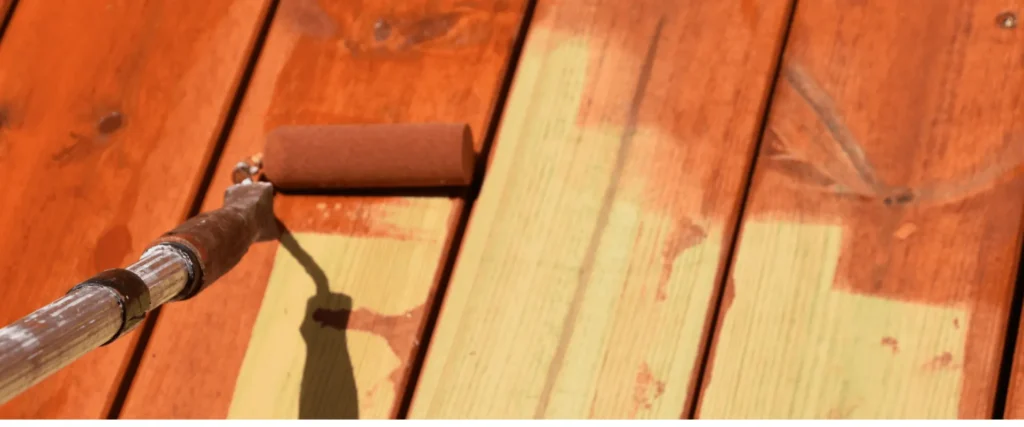
Apply the Stain

Start with a small test area to check the color and application. Use a brush for edges and tight spots, and a roller or sprayer for larger areas. Work in small sections to keep the finish even.

Apply the stain in thin, even coats, following the wood grain. Avoid overlapping wet stains to prevent dark patches. Most decks require one to two coats, depending on the type of stain.

Let It Dry

Allow the stain to dry completely, which typically takes 24 to 48 hours, before walking on the deck or placing furniture. Check the stain can’s instructions for exact drying times. Avoid rain or heavy dew during drying to prevent streaks.

If you’re adding a second coat, wait until the first coat is fully dry. A properly dried stain looks uniform and resists peeling or fading.

FAQs

What’s the best time to stain a deck?

The best time to stain a deck is in late spring or early fall when temperatures are mild (50°F to 80°F) and humidity is low. Dry weather ensures the stain dries evenly without streaks or mold.

Can I stain over an old stain?

Yes, but clean and sand the deck first to remove peeling or faded stain. If the old stain is in good shape, you can apply a new coat of the same type without stripping.

How do I know if my deck needs repairs before staining?

Look for loose boards, cracks, splinters, or mold. Fix these issues before staining to ensure a smooth finish and long-lasting results. A solid deck base is key to a great stain job.

Conclusion

Choosing and applying the right deck stain not only protects your deck but also enhances your outdoor play. By picking the right stain type, preparing properly, and following deck staining tips, you can achieve a beautiful, durable finish. Regular maintenance keeps your deck looking fresh and ready for family fun or quiet relaxation. With the right approach, your deck becomes a standout feature in your yard. Start your deck maintenance project today with solutions built around your needs. For more ideas on creating a welcoming outdoor space, consult an expert.

Trampoline Mat Replacement: When and How to Do It Safely

Share with:

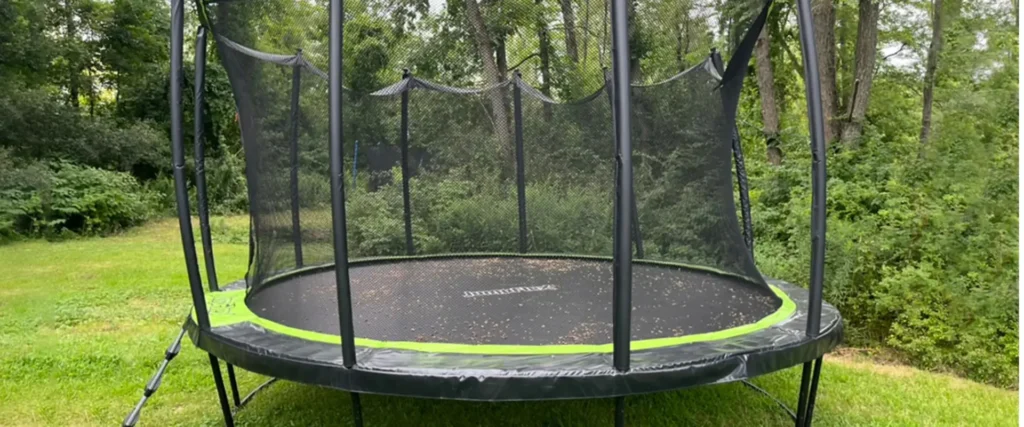
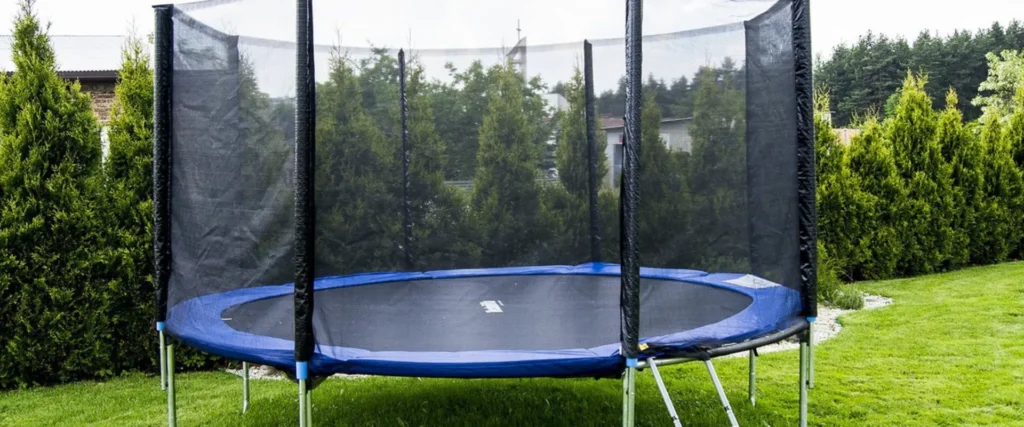
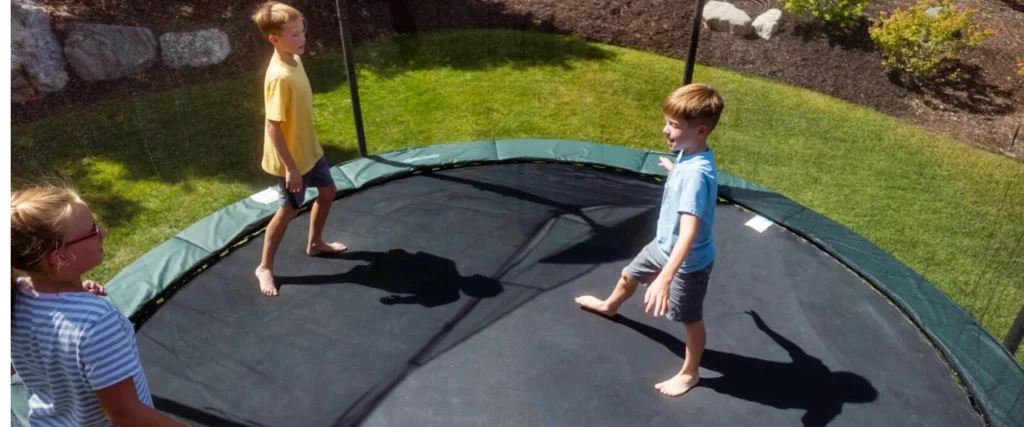
Your backyard trampoline brings fun for both kids and adults. It’s a place for laughter, exercise, and lasting family memories. Over time, the mat wears out, and trampoline mat replacement becomes necessary to keep it safe and enjoyable. A damaged mat reduces bounce and increases the risk of injuries, so knowing when and how to replace it is important. This guide explains the process and helps ensure safe trampoline use for everyone.

Trampolines face harsh conditions. Sun, rain, and constant jumping all cause wear and tear. Regular checks, using a simple checklist, help you spot problems early. By staying proactive, you extend the life of your trampoline mat and keep your outdoor playhouse safe for fun.

This article covers everything about trampoline mat replacement. You’ll learn how to identify damage, choose the right mat, and install it securely. Each step is explained clearly so your trampoline remains a safe and enjoyable part of your outdoor space for years to come.

Top Reason for Trampoline Mat Replacement

A trampoline’s mat takes the brunt of every jump, so it wears out faster than other parts. A damaged mat can develop tears or holes, which may cause falls or injuries. Replacing it promptly ensures safe trampoline use and maintains a strong bounce.

Regular maintenance, including checking the mat, is key to a long-lasting trampoline. A checklist helps you spot small issues before they grow. Even a minor tear can worsen with use, leading to costly repairs or serious safety hazards. Staying ahead of damage saves time and money.

Trampoline mat replacement also improves performance. A fresh mat delivers a stronger and more controlled bounce, making jumps safer and more enjoyable. It’s a simple way to refresh your backyard adventures and keep everyone smiling.

trampoline maintenance checklist

Signs Your Trampoline Mat Needs Replacing

Knowing when to replace your trampoline mat prevents accidents and keeps playtime fun. Watch for these clear signs to decide if it’s time for a trampoline mat replacement.

Visible Damage

Inspect the mat for tears, holes, or frayed edges. Even small rips can grow with use and compromise safety. UV exposure from sunlight also weakens the fabric, causing thinning or cracks. If you notice these issues, replace the mat to ensure safe trampoline use.

Fading or Discoloration

A faded mat usually means the material is breaking down from sun exposure. Even if it looks intact, a weakened mat loses elasticity and strength. This shortens the trampoline mat’s lifespan and reduces bounce quality. Replacing the mat restores safety and performance.

Sagging or Loss of Bounce

If the trampoline feels less springy, the mat may be stretched. A sagging mat makes jumping less enjoyable and can strain the frame. Replacing it improves bounce, supports proper trampoline care, and keeps your playground surfacing safe and fun.

How to Choose the Right Replacement Mat

Picking the correct mat ensures a proper fit and safe performance. Keep these points in mind when choosing a new one for your trampoline mat replacement.

Measure Your Trampoline

Measure the trampoline’s frame diameter carefully. The frame sizes mats, not the mat itself. Use your owner’s manual or measure across the frame’s widest point. Getting the size right is critical for safe use and correct installation.

Check Mat Specifications

Choose mats made from durable, UV-resistant materials like polypropylene. Make sure the mat matches your trampoline’s spring count and length for a secure fit. A high-quality mat extends the lifespan of the trampoline mat and delivers consistent bounce.

Consider Safety Features

Some mats come with reinforced stitching or extra UV protection. These features boost durability and safety, aligning with a thorough trampoline maintenance checklist. Investing in a quality mat reduces future replacements and enhances outdoor structures like your trampoline. 

safe trampoline use

Step-by-Step Guide to Replacing a Trampoline Mat

Replacing a trampoline mat might seem daunting, but it’s manageable with the right steps. Follow this guide to complete a replacement safely and efficiently.

Step 1: Gather Tools and Materials

You’ll need a new mat, a spring tool (often included with the mat), and a screwdriver. Work in a clear, flat area to avoid losing parts. Having everything ready streamlines the process and ensures safe use of the trampoline.

Step 2: Remove the Old Mat

Start by detaching the springs from the frame. Use the spring tool to pull them off safely, working in a circular pattern to keep tension even. Remove the old mat once all springs are detached. Inspect the frame and springs for wear to maintain your trampoline maintenance checklist.

Step 3: Install the New Mat

Lay the new mat inside the frame, aligning it evenly. Attach the springs to the mat’s loops, starting at one point and working around the frame. Use the spring tool to secure each spring to the frame, ensuring a tight fit. This step is crucial for a successful replacement.

Step 4: Test the Installation

Once all springs are attached, check the mat for even tension. Jump lightly to test the bounce and ensure no springs are loose. A properly installed mat supports a lengthy lifespan and ensures safe jumping and fun trampoline games. Double-check all connections for security.

Safety Tips for Trampoline Mat Replacement

Safety comes first during the replacement process. These tips help you avoid injuries and ensure a secure setup.

Work with a Partner

Having someone assist makes the job easier and safer. A partner can hold the mat or springs, reducing the risk of injury from sudden spring releases. This teamwork aligns with a thorough checklist.

Follow Manufacturer Instructions

Each trampoline model has specific guidelines. Check your owner’s manual for details on spring attachment or frame care. Following these ensures a proper replacement and maintains safety standards.

Inspect Other Components

While replacing the mat, inspect the frame, springs, and padding for signs of wear. Rusty springs or damaged padding can affect safety. Addressing these issues extends the lifespan and supports care overall.

trampoline mat lifespan

Maintaining Your Trampoline After Replacement

A new mat is a great start, but ongoing care keeps your trampoline in top shape. These steps help maintain safe trampoline use and extend the trampoline’s life.

Regular Cleaning

Clean the mat with mild soap and water to remove dirt and debris. Avoid harsh chemicals that can weaken the fabric. Regular cleaning is part of a solid trampoline maintenance checklist and preserves the mat’s condition.

Protect from Weather

Store the trampoline indoors during harsh weather or use a weather-resistant cover. Sun and rain can reduce the lifespan of the trampoline mat. A cover protects your investment and keeps it ready for outdoor play.

Routine Inspections

Check the mat, springs, and frame monthly for signs of wear and tear. Tighten loose bolts and replace worn parts promptly. These habits ensure safe use and make your trampoline a lasting part of your playground checklist.

FAQ

How often should I replace my trampoline mat?

Replace the mat every 3-5 years, depending on use and weather exposure. Regular checks, part of a trampoline maintenance checklist, help you spot damage early and extend the lifespan.

Can I replace the mat myself?

Yes, with the right tools and instructions, you can replace the mat at home. Follow safety guidelines and work with a partner to ensure safe trampoline use during the process.

How does a replacement mat fit my trampoline?

Measure the frame diameter and check the spring count. Match these to the mat’s specifications for a secure fit, ensuring a successful trampoline mat replacement.

Conclusion

A well-maintained trampoline brings fun and exercise to your backyard. Knowing when a trampoline mat replacement is needed keeps it safe and enjoyable for everyone. Regular checks and timely replacements prevent accidents and extend the trampoline mat’s lifespan. With the right steps, you can replace the mat yourself and maintain a secure setup. For guidance on choosing the right replacement or advice on safe installation, reaching out to an expert can make the process easier and stress-free.

Common Shed Installation Mistakes and How to Avoid Them

Share with:

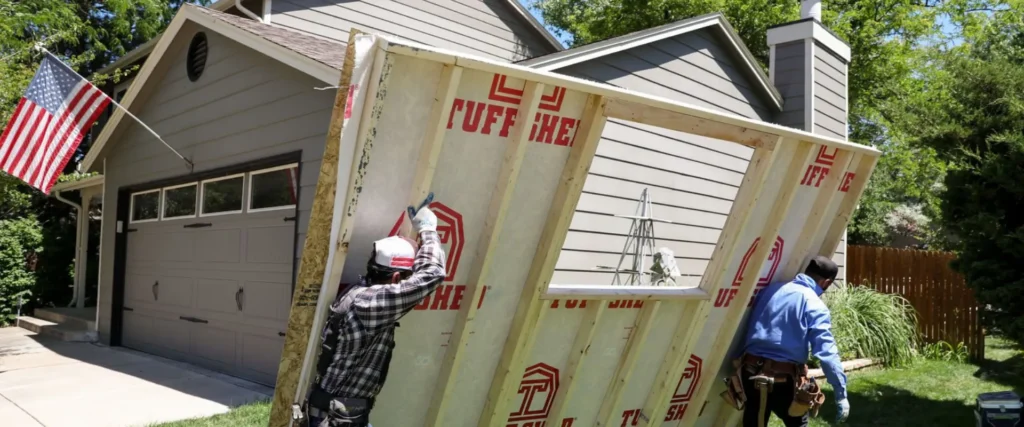
Building a shed can transform your backyard, giving you extra storage or a cozy workspace. However, a rushed or poorly planned shed installation can result in wobbly structures, leaks, or even costly repairs. By understanding common mistakes and how to sidestep them, you can ensure your shed stands strong for years.

Mistakes during shed installation often stem from skipping key steps like proper shed site preparation or choosing the wrong materials. These errors can turn a simple project into a headache. This guide breaks down the most common pitfalls and offers clear, practical solutions to help you get it right.

Whether you’re a DIY enthusiast or working with shed builders, this article will equip you with the knowledge to create a sturdy and functional shed. Let’s dive into the mistakes to avoid and the steps to take for a smooth shed installation process.

Why Proper Shed Installation Matters

A shed installation sets the foundation for a structure that lasts. Many people underestimate the importance of careful planning and preparation. A poorly installed shed can sag, leak, or even collapse, resulting in costly repairs and wasted time.

The Risks of Cutting Corners

Skipping steps like shed foundation prep can lead to uneven floors or walls that shift over time. For example, placing a shed on unprepared ground might seem like a time-saver, but rain can wash away loose soil, leaving your shed unstable. Always take time to level the ground and install shed base materials properly.

Long-Term Benefits of Doing It Right

A well-installed shed protects your tools, equipment, or outdoor furniture from weather damage. Proper shed site preparation ensures your shed stays level and secure, extending its lifespan. Investing effort up front saves you from repairs and replacements later.

Mistake 1: Poor Shed Site Preparation

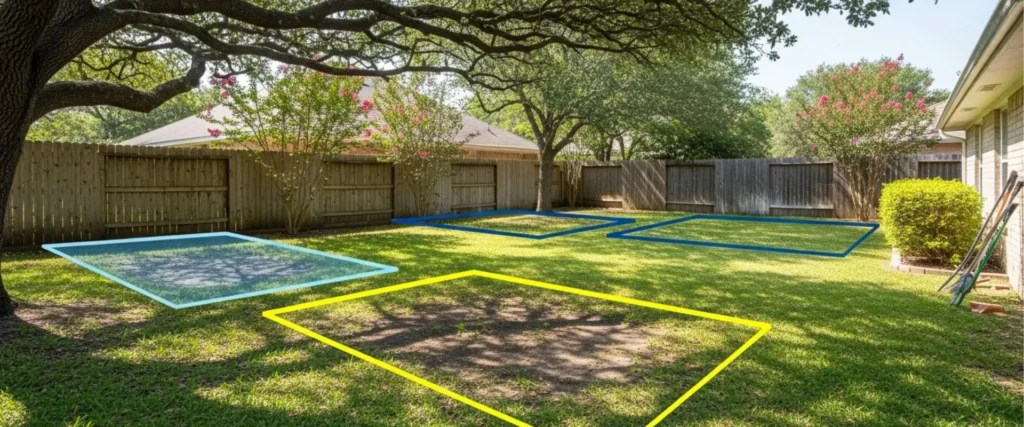
Choosing the right spot for your shed is critical. Many people pick a location without considering drainage, sunlight, or access. This oversight in shed site preparation can cause water pooling, mold growth, or difficulty reaching your shed.

How to Choose the Perfect Spot

Look for a flat, well-drained area in your yard. Avoid low-lying spots where water collects after rain. Ensure the location allows easy access for moving items in and out. Also, check for overhead obstacles like tree branches that could damage your shed.

Steps for Effective Site Prep

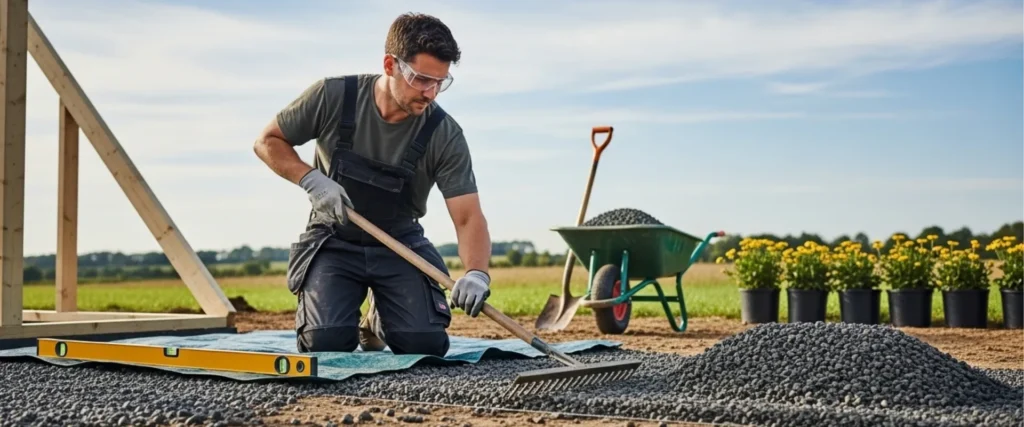
Clear the area of grass, rocks, and debris. Level the ground using a shovel or a tamper to create a stable surface. For extra stability, consider adding a gravel or concrete base during shed foundation prep. This keeps your custom sheds dry and secure.

install shed base

Mistake 2: Skimping on Shed Foundation Prep

A weak foundation is one of the biggest reasons sheds fail. Without proper shed foundation prep, your shed might sink, tilt, or crack over time. Many DIYers skip this step to save time, but it’s a costly mistake.

Why a Strong Foundation Matters

A solid foundation distributes the shed’s weight evenly, preventing structural damage. It also protects against moisture, which can rot wood or rust metal. A good installation of the shed base process ensures your shed stays level and durable.

How to Build a Reliable Foundation

Start by marking the shed’s footprint with stakes and string. Dig down a few inches and fill the area with gravel or pour a concrete slab for larger sheds. Compact the material tightly to avoid shifting. If you’re unsure, consult shed builders for advice on the best foundation for your shed size and soil type.
Mistake 3: Ignoring Local Regulations

Before starting your shed installation, verify that you have checked local building codes and obtained the necessary permits. Many homeowners overlook this, only to face fines or orders to move their shed later. Regulations vary by area, so don’t assume you’re in the clear.

Understanding Permits and Codes

Some areas require permits for sheds over a specific size, typically 100 square feet. Others have rules about how close a shed can be to property lines. Contact your local building office to confirm requirements before you begin shed site preparation.

How to Stay Compliant

Research zoning laws early in your planning. If permits are needed, submit your shed plans and site details to the local authority. This step ensures your shed storage project meets all legal standards and avoids surprises.

Mistake 4: Using Incorrect Tools or Materials

Using the wrong tools or materials can derail your shed installation. For example, choosing low-quality wood or mismatched hardware can weaken the structure. Similarly, using improper tools makes assembly harder and less precise.

Selecting the Right Materials

Pick materials suited to your climate. For wet areas, use pressure-treated wood or a vinyl shed to resist moisture. For metal sheds, ensure they have rust-resistant coatings. High-quality materials enhance your shed’s durability and minimize maintenance requirements.

Tools You’ll Need

Gather a level, drill, hammer, and measuring tape before starting. A power saw helps with precise cuts, especially for custom sheds. Check your shed kit’s instructions for specific tool requirements, and don’t skimp on quality to save a few bucks.
Mistake 5: Rushing the Assembly Process

Hurrying through shed installation often leads to misaligned panels, loose screws, or uneven floors. Taking your time ensures every piece fits correctly and the structure is secure.

Tips for a Smooth Assembly

Read the instruction manual thoroughly before starting. Lay out all parts and check for missing pieces. Work with a partner to hold panels in place and double-check measurements. Patience during install shed base and assembly prevents costly fixes later.

Avoiding Common Assembly Errors

Don’t skip steps like squaring the frame or securing the roof correctly. Use a level at every stage to ensure the shed stays even. If you’re working with a shed installation expert, ask them to explain each step so you understand the process.

shed site preparation

Mistake 6: Neglecting Ventilation and Drainage

Poor ventilation and drainage can ruin your shed. Without proper airflow, moisture accumulates, which can lead to the growth of mold or rust. Inadequate drainage during shed foundation prep lets water pool under the shed, damaging the base.

How to Improve Ventilation

Install vents or small windows to allow air circulation. This keeps the interior dry and prevents musty odors. For larger sheds, consider adding a ridge vent along the roofline to improve airflow.

Ensuring Proper Drainage

Slope the ground slightly away from the shed to direct water runoff. During shed site preparation, add a gravel layer to facilitate quick water drainage. These steps protect your shed and its contents from water damage.

Mistake 7: Overlooking Maintenance Needs

Even a well-installed shed needs regular care to stay in top shape. Many owners forget to check for wear and tear, leading to problems like leaks or warped wood.

Simple Maintenance Tips

Inspect your shed annually for loose screws, cracks, or rust. Apply a sealant or paint to wooden sheds every few years to protect against the weather. For shed organization, keep the interior tidy to avoid overloading the structure.

Planning for Long-Term Care

Set a reminder to check your shed before harsh seasons like winter or heavy rain. Clean gutters and remove debris around the base to maintain proper drainage. These small steps keep your shed functional for years.

FAQ

What’s the best base for a shed?

A gravel or concrete base works best for most sheds. Gravel is affordable and allows good drainage, while concrete offers durability for larger custom sheds. Always level the ground during shed foundation prep for stability.
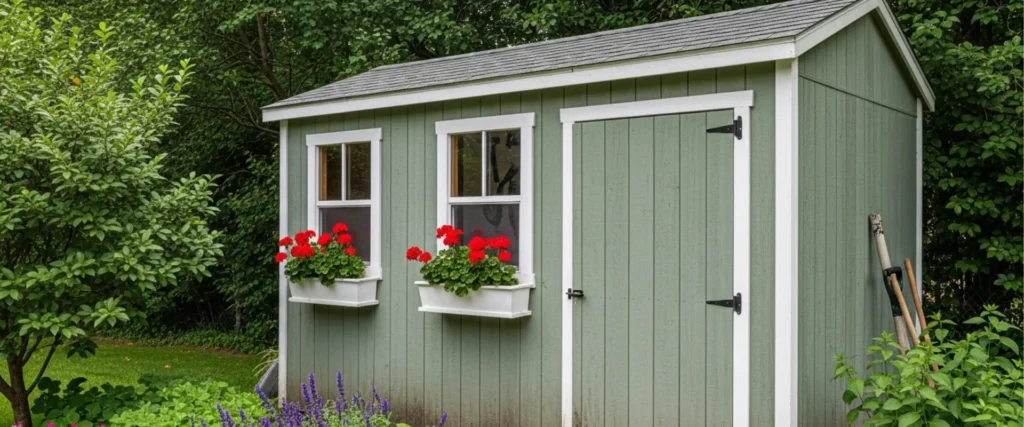
Do I need a permit for my shed?

It depends on your local regulations. Many areas require permits for sheds over 100 square feet. Check with your local building office before starting shed site preparation to avoid fines.

How long does it take to install a shed?

A small shed can take a weekend to install, while larger ones may need a few days. Proper install of the shed base and assembly steps take time, so don’t rush the process.

Can I install a shed myself, or should I hire professionals?

DIY is possible with the right tools and patience, but complex projects benefit from shed builders. They ensure proper shed installation and compliance with local codes.

Conclusion

A successful shed installation requires careful planning, from choosing the right spot to securing a solid foundation. By avoiding common mistakes like poor shed site preparation or skipping permits, you can build a shed that lasts for years. Take your time, use quality materials, and follow local regulations to get it right. With the right approach, your shed will serve as a reliable storage solution or workspace. Start your project with confidence, knowing you’ve planned for success. For expert guidance, explore trusted shed builders to help bring your vision to life.

Pergola Ideas to Elevate Your Backyard Style and Comfort

Share with:

Your backyard can be more than grass or storage space. With the right setup, it can become a relaxing retreat for unwinding, entertaining, or enjoying quiet outdoor moments. Pergola ideas are one of the best ways to add both style and comfort. A pergola creates a focal point that combines beauty with function.

You can host a summer barbecue under a shaded structure or enjoy morning coffee in a cozy corner. A pergola adds shade, privacy, and elegance to your outdoor space. Whether you want a modern look or a rustic design, pergola installations can transform your backyard into a space you’ll enjoy daily.

This guide shares creative ways to design and upgrade your pergola. You’ll find modern design ideas, roofing options, and practical tips. Each section is explained in simple language to help you plan a backyard that feels like an extension of your home.

Why Choose a Pergola for Your Backyard?

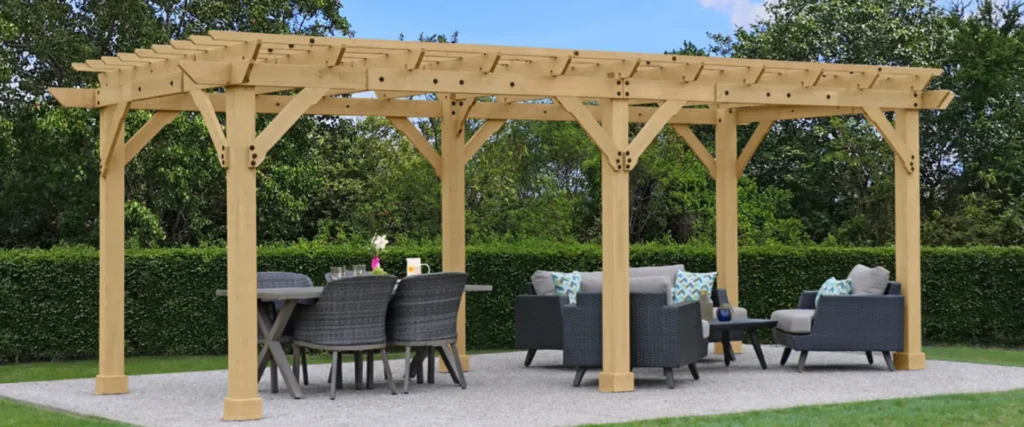
A pergola is a versatile outdoor structure that adds charm and function to your yard. Unlike a patio with a solid roof, a pergola has an open lattice design. This allows sunlight to pass through while still providing partial shade. It creates a comfortable space without blocking the natural surroundings.

Pergolas also define outdoor areas. They can separate a dining space, a lounge area, or a quiet reading corner. Adding a pergola creates a dedicated spot for relaxation or gatherings. It makes your backyard look organized and more inviting.

Pergolas are customizable. You can build them with wood, vinyl, or metal to match your home’s style. With many design options, they work with both traditional and modern looks. If you are ready to plan, here are some backyard pergola ideas to inspire you.

Add Comfort with Pergola Roof Ideas

Covering your pergola improves its functionality. Pergola roof ideas help you control shade and weather protection. A retractable canopy is a flexible choice. Open it on sunny days and close it during light rain.

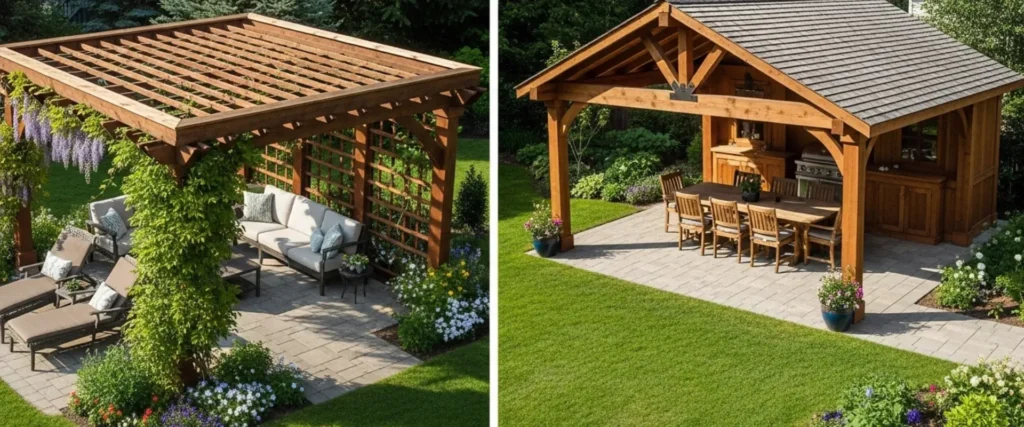
Climbing plants like vines or wisteria can grow across the lattice. They form a green roof that provides shade and a natural look. For stronger coverage, use polycarbonate panels. They block rain but still let in light, keeping the space bright and dry.

Fabric sails or drapes are another option. They soften the look while adding shade. A well-planned roof makes your pergola more comfortable in every season and suitable for all weather.

outdoor pergola ideas

Incorporate Outdoor Furniture for Style

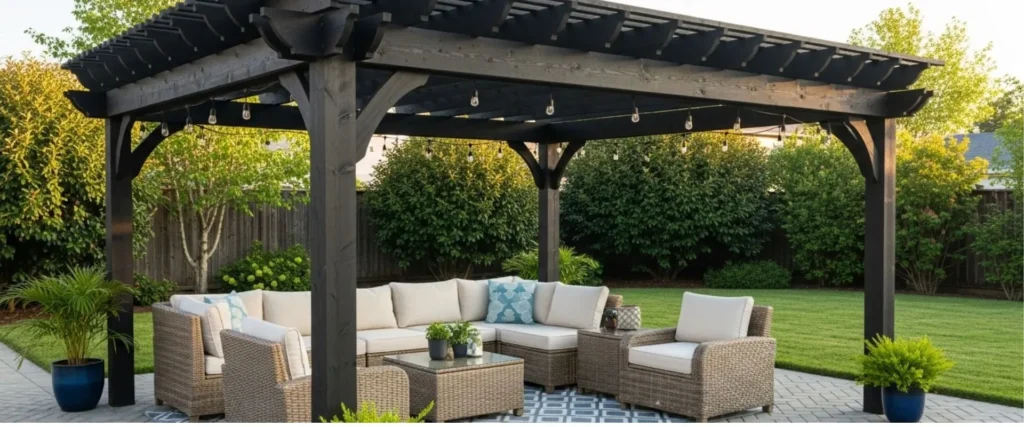
The right outdoor furniture can turn your pergola into a backyard retreat. Comfortable seating, such as cushioned chairs or a sectional sofa, makes it easy to relax. A dining table creates space for meals or game nights under the pergola’s shade.

Choose weather-resistant materials like teak, wicker, or metal for durability. Add colorful cushions or throw pillows to match your style. Bold patterns work for a modern look, while neutral tones create a classic feel. Coffee tables or side tables can hold drinks, books, or décor and tie the space together.

For extra charm, add a hammock or swing chair. These features create a cozy and playful touch for both kids and adults. With the right furniture, your pergola becomes a stylish and functional extension of your home.

Modern Pergola Designs to Inspire You

If you prefer clean lines, modern pergola designs are a great choice. These designs focus on simplicity and bold materials such as metal or composite wood. They create a striking look that feels fresh and stylish. Unlike traditional wooden pergolas, modern versions often use sharp angles and minimalist details.

A flat-roof pergola adds a strong contemporary touch. It complements modern homes well and creates a streamlined silhouette. You can also install built-in lighting, such as LED strips or pendant lights, to keep the space usable at night. This makes the pergola both functional and visually appealing after sunset.

Another option is to paint or stain the pergola in bold colors like black or dark gray. This matches popular modern décor trends. Pair it with sleek furniture and geometric planters for a cohesive style. When installing pergolas with modern designs, these choices can transform your backyard into an inviting retreat.

Create a Cozy Ambiance with Lighting

Lighting makes your pergola functional at night. String lights are affordable, easy to install, and give a warm glow. Wrap them around beams or hang them across the lattice.

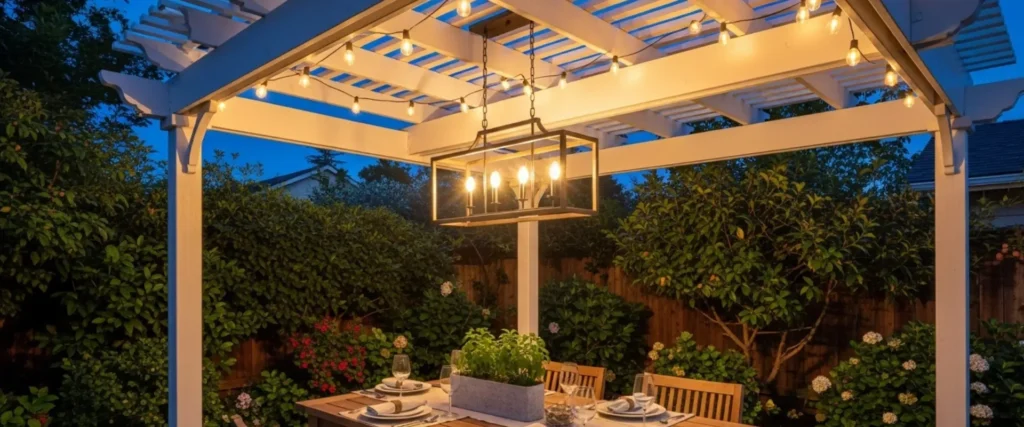
Lanterns or pendant lights provide focused lighting for dining or reading. Portable LED lamps offer flexibility. Use weatherproof fixtures and proper installation for safety. The right lighting creates a cozy, inviting space for evenings.

Use Plants for a Natural Touch

Plants enhance outdoor pergola ideas by softening the structure and blending it into the yard. Climbing plants, such as ivy or clematis, form a lush green canopy that adds shade and beauty.

Potted ferns, palms, or flowering shrubs add color and texture. Hanging baskets with petunias give extra charm. Succulents and native plants are low-maintenance options. Choose planters with drainage and plants suited to your climate. This keeps your pergola vibrant and easy to maintain.

backyard pergola ideas

Practical Tips for Planning Your Pergola

Before building, decide on your pergola’s purpose. Do you want it for dining, lounging, or both? This choice will determine the size and layout. A small pergola works well for intimate spaces. A larger pergola is better for gatherings or multiple uses.

Location is also important. Place your pergola where it gets the right balance of sun and shade. Consider how it looks from your home. A pergola near the house is easy to access, while one farther away can provide more privacy. Always check local regulations for permits or size limits before you start building. If it is on a patio, make sure to anchor a pergola to pavers for stability.

Materials make a big difference, too. Wood gives a classic look but needs regular swing set maintenance to stay in good condition. Vinyl or metal pergolas require less upkeep but may cost more at first. Compare your budget and maintenance preferences to choose the best option.

Add Privacy with Screens or Curtains

Privacy screens or curtains make your pergola more secluded. Bamboo or lattice panels create barriers while keeping airflow. They also add texture and shield your space from neighbors.

Outdoor curtains are another option. Choose weather-resistant fabrics in light colors for brightness or bold colors for style. Tie them back for an open feel or close them for privacy.

Incorporate Multi-Season Features

Add features to use your pergola year-round. A fire pit or outdoor heater keeps the space warm in cooler months. For summer, install ceiling fans or misters to stay cool. In rainy areas, use gutters or a sloped roof to keep the space dry. With the right upgrades, your pergola stays comfortable and functional in every season.

Budget-Friendly Pergola Ideas

You don’t need to spend a lot to build a beautiful pergola. Start with a pre-made kit from a local supplier. Kits are usually more affordable than custom builds and come in different sizes to fit your backyard.

Save money by adding your own DIY decor. Paint or stain the pergola yourself to cut labor costs. Use secondhand furniture or repurpose pieces you already own, like old chairs or tables, to furnish the space.

For plants, grow your own climbers from seeds or cuttings instead of buying mature ones. These small steps help you create stunning backyard pergola ideas while staying on budget.

pergola roof ideas

Mix and Match Styles for a Unique Look

Blend different design elements to make your pergola stand out. Use rustic wood beams with modern metal accents for a balanced style. Pair a traditional pergola with colorful, contemporary furniture for a fresh look.

Add unique features to personalize the space. A built-in bench or a minor water feature, such as a tabletop fountain, can make the pergola feel custom without significant changes.

Experimenting with styles helps you design a space that reflects your taste. Whether you prefer an eclectic look or a unified theme, mixing elements ensures your pergola feels one-of-a-kind. When installing a pergola outdoors, these design choices allow you to create a space that is both unique and functional.

FAQs

What are the best materials for modern pergola designs?

Wood, vinyl, and metal are popular choices for modern pergola designs. Wood offers a warm, classic look but needs regular care. Vinyl and metal are low-maintenance and durable, ideal for sleek, contemporary styles.

What are some creative pergola roof ideas?

Try retractable canopies, climbing plants, or polycarbonate panels for pergola roof ideas. Fabric sails or drapes add a soft, stylish touch while providing shade and weather protection.

How do I maintain my pergola?

Regular cleaning and sealing, similar to deck maintenance, keep wooden pergolas in good shape. Vinyl or metal pergolas need occasional washing to stay clean. Check for wear and tear annually.

Conclusion

A pergola can make your backyard stylish and comfortable. Modern pergola ideas with sleek lines create a clean look. Plants and lighting add a cozy touch. The right materials, roofing, and décor ensure the space matches your lifestyle and increases your home’s value. Decide if you’ll use your pergola for dining, relaxing, or hosting. With careful planning and smart details, your backyard can become a favorite spot for years. Start your pergola project today and design an outdoor space that fits your needs.

Pergola vs Gazebo: Which Backyard Structure Is Right for You

Share with:

Many homeowners picture their backyard as more than just a patch of grass. It can be a personal retreat, a place to relax with family, or the perfect spot for entertaining guests. The proper structure can completely transform how you use this space.

When weighing options, the choice often comes down to pergola vs gazebo. Each has its own strengths, from the airy, modern design of a pergola to the fully sheltered comfort of a gazebo. Deciding between them depends on your style preferences, budget, and how you want to use your outdoor space.

This blog will guide you through the essentials: design features, everyday function, long-term costs, and simple upkeep. You’ll also find practical ideas for making these backyard additions both beautiful and functional, so you can decide which one feels right for your home.

What Is a Pergola?

A pergola creates an open, airy feel in your backyard. It’s a structure with vertical posts supporting a slatted roof, often made of wood, vinyl, or metal. The open roof lets sunlight filter through, casting beautiful patterns of light and shadow.

Pergolas often define a specific area, like a dining or lounging space. You can customize them with climbing plants, fabric canopies, or string lights to match your style. They’re perfect for people who love a blend of sun and shade. For example, imagine sipping lemonade under a pergola covered in blooming vines; it’s like having a garden oasis.

This structure shines for its flexibility. You can leave it open for a natural vibe or add curtains for privacy. If you’re considering pergola installation, it’s often straightforward, especially with pre-made kits. Just ensure the ground is level and the posts are secure. Adding outdoor furniture like a table or cozy chairs can make your pergola the heart of your backyard.

What Is a Gazebo?

A gazebo is a freestanding structure with a solid roof and open sides, often shaped like a hexagon or octagon. It provides full shade and protection from rain, making it ideal for all-weather gatherings. Gazebos are typically made of wood, metal, or vinyl and often feature screens or curtains for added privacy.

Picture hosting a summer party in a gazebo with twinkling lights and a table full of snacks. Its enclosed roof keeps everyone dry if a sudden shower hits. Gazebos feel like a backyard retreat, perfect for people who want a defined, sheltered space.

Setting up a gazebo requires more planning than a pergola. Gazebo installation tips include choosing a flat surface and anchoring the structure securely to withstand wind. Adding pavilions or similar structures nearby can create a cohesive look, but a gazebo alone often steals the show with its classic charm.

Key Differences Between Pergola and Gazebo

Understanding the difference between pergola and gazebo helps you pick the right fit. A pergola has an open, slatted roof, letting in partial sunlight and air. It’s great for a breezy, open feel but offers less protection from rain. A gazebo, with its solid roof, keeps you dry and shaded, making it better for unpredictable weather.

Pergolas blend into gardens or patios, often supporting climbing plants like roses or ivy. Gazebos, on the other hand, stand out as a focal point, like a mini pavilion for events. Cost-wise, pergolas are often more affordable because they require less material. Gazebos, with their full roofs, can cost more but provide greater coverage.

Think about your backyard’s purpose. If you love hosting outdoor dinners in any weather, a gazebo might be best. If you want a stylish, plant-friendly structure, a pergola could be your match. Adding outdoor structures like these can boost your home’s appeal and functionality.

pergola pros and cons

Pergola Pros and Cons

Pergolas bring charm and flexibility to your yard. Let’s break down their strengths and weaknesses to see if they suit your needs.

Pros of a Pergola

  • Aesthetic Appeal: Pergolas add elegance, especially when draped with vines or string lights. They create a romantic, garden-like atmosphere.
  • Versatility: You can customize them with fabric, plants, or fans for comfort. They fit small or large yards.
  • Cost-Effective: Pergolas often cost less than gazebos due to their simpler design. This makes them a budget-friendly backyard structure idea.
  • Open Air: The slatted roof allows airflow, keeping the space cool and inviting for casual gatherings.

Cons of a Pergola

  • Limited Protection: Pergolas don’t shield you from rain or intense sun. You might need extra covers for bad weather.
  • Maintenance: Wooden pergolas require regular sealing or staining to stay durable. The pros and cons of this pergola depend on your material choice.
  • Less Privacy: The open design means less seclusion compared to a gazebo.

Gazebo Pros and Cons

Gazebos offer a different vibe, with more coverage and structure. Here’s what makes them shine or fall short.

Pros of a Gazebo

  • Full Shelter: A solid roof protects against rain, sun, and wind, making gazebos ideal for year-round use.
  • Defined Space: Gazebos create a cozy, room-like area for dining or relaxing. They’re perfect for hosting events.
  • Customizable: Add screens, curtains, or lighting to make it your own. This gazebo benefits aspect boosts functionality.
  • Durability: Many gazebos, especially metal ones, withstand harsh weather with minimal care.

Cons of a Gazebo

  • Higher Cost: Gazebos are pricier due to their complex design and materials. Budget matters here.
  • Space Requirements: They require a larger, level area, which may not be suitable for small yards. Proper gazebo installation tips include checking your space first.
  • Maintenance: Wooden gazebos need regular care to prevent rot or fading.
gazebo installation tips

Choosing the Right Structure for Your Backyard

Deciding between a pergola a gazebo depends on your lifestyle and yard. Ask yourself: Do you want a breezy, open space or a sheltered retreat? Here’s how to choose.

Consider Your Space

Measure your yard to see what fits. Pergolas work well in smaller spaces since they’re less bulky. Gazebos need more room and a flat surface for stability. If your yard is tiny, a pergola might blend better, while a gazebo suits larger lots.

Think About Purpose

Love gardening or casual hangouts? A pergola’s open design supports plants and creates a relaxed vibe. Need a spot for all-weather gatherings? A gazebo’s roof offers protection. Your goals shape the difference between pergola and gazebo.

Budget and Maintenance

Pergolas are often more affordable and easier to maintain, especially those made from vinyl. Gazebos cost more upfront and may need extra care, particularly wood models. Weigh these pergola pros and cons against your budget. Adding outdoor furniture can enhance either choice for comfort.

Climate and Weather

If you live in a rainy area, a gazebo’s full coverage is practical. In sunny climates, a pergola’s partial shade might suffice. Check local weather patterns to pick the best fit.

Installation Tips for Pergolas and Gazebos

Setting up either structure requires planning. Here’s how to get it right without headaches.

For pergolas, choose a spot with good drainage to avoid water pooling. Secure posts firmly in the ground, especially for larger designs. Vinyl or metal pergolas need less upkeep than wood, which requires sealing. Professional pergola installation ensures a stable, long-lasting setup.

For gazebos, level ground is key to preventing wobbling. Check local building codes, as some areas require permits. Opt for durable materials to handle your climate. Gazebo installation tips include anchoring the structure to withstand wind. Adding safety surfacing around the base can protect kids playing nearby.

Enhancing Your Backyard Structure

Both pergolas and gazebos shine with a few upgrades. Add string lights or lanterns to a pergola for a cozy evening glow. For gazebos, consider screens to keep bugs out or a small table for dining. These touches make your backyard structure ideas pop.

Plants like ivy or roses can climb pergola beams, adding natural beauty. For gazebos, outdoor rugs or cushions create a homey feel. If you’re into design trends, mix modern and rustic elements for a timeless look.

FAQ

What’s the main difference between pergola and gazebo?

A pergola has an open, slatted roof for partial shade, while a gazebo has a solid roof for full weather protection. Choose based on whether you want an airy or sheltered space.

Are pergolas cheaper than gazebos?

Yes, pergolas typically cost less due to their simpler, open design. Gazebos are pricier because of their solid roof and larger structure. Check pergola pros and cons for budget details.

Which is better for small yards?

Pergolas are better for small yards due to their slim, open design. Gazebos need more space and can feel bulky. Measure your yard to confirm what fits.

Conclusion

Pergola vs gazebo really comes down to the vibe and function you want. A pergola feels airy and casual, great for gardens or relaxed gatherings, while a gazebo provides a sheltered, room-like spot for gatherings in any weather.

Pergolas are usually more budget-friendly and add charm without much upkeep. Gazebos, on the other hand, bring durability and year-round protection. Think about your space, budget, and how you’ll use it. Either choice can transform your backyard into a favourite place to relax and entertain. For tailored ideas or help getting started, consider reaching out to a professional installer.

Pergola vs Pavilion: Key Differences Explained

Share with:

Choosing the right backyard structure can transform your outdoor space into a stunning retreat. When considering pergola vs. pavilion options, many homeowners find themselves weighing the benefits of each structure. Both add beauty and functionality to your yard, but they serve different purposes and offer distinct advantages.

At Wood Kingdom West, we’ve helped Long Island families create their dream backyards for over 35 years. Whether you’re looking for a cozy pergola or an expansive pavilion, understanding the difference between pergola and pavilion structures will help you make the best choice for your outdoor living needs.

What is a Pergola?

A pergola is an outdoor structure featuring vertical posts that support crossbeams and an open lattice roof. This classic garden feature creates partial shade while maintaining an airy, open feel. Pergolas typically don’t have solid roofs, instead relying on wooden slats or beams that allow sunlight to filter through.

Most pergolas measure between 10 to 14 feet in width and can extend to various lengths depending on your space. The open-roof design makes them perfect for growing climbing plants like roses, grapevines, or wisteria, which add natural beauty and additional shade over time.

Key Features of Pergolas:

  • Open lattice or slatted roof design
  • Vertical support posts (usually 4-6 posts)
  • Partial shade coverage
  • Ideal for plant growth and climbing vines
  • More budget-friendly option
  • Quick installation process

What is a Pavilion?

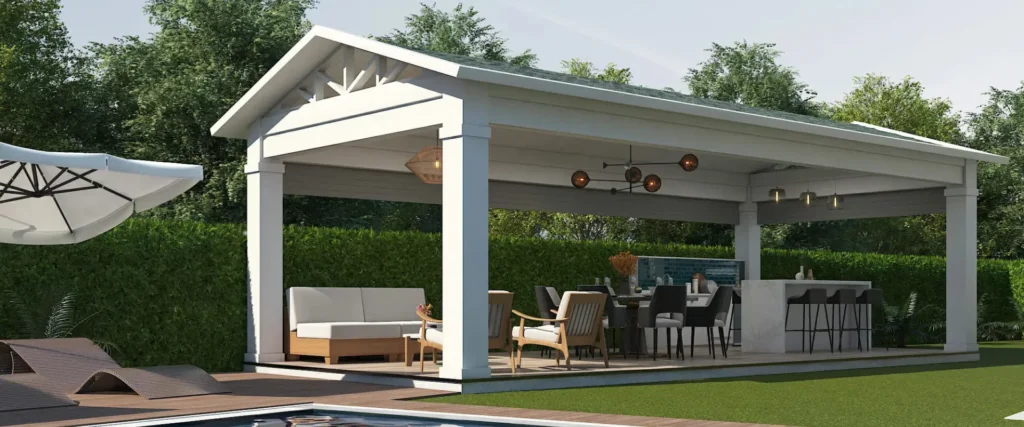
A pavilion is a larger, more substantial outdoor structure with a complete solid roof that provides full weather protection. Unlike pergolas, pavilions offer complete overhead coverage, making them suitable for year-round outdoor activities regardless of weather conditions.

Pavilions typically feature more robust construction with heavier timber framing and can accommodate larger gatherings. They often include options for electrical wiring, ceiling fans, lighting, and even outdoor kitchens.

Key Features of Pavilions:

  • Solid roof with complete weather protection
  • Larger size options (typically 12×12 feet and up)
  • More substantial construction materials
  • Can include electrical features and amenities
  • Year-round usability
  • Higher investment but greater functionality
difference between pergola and pavilion

Pergola vs Pavilion: The Main Differences

Understanding these key differences will help you choose the perfect backyard structures guide for your needs.

1. Roof Coverage and Weather Protection

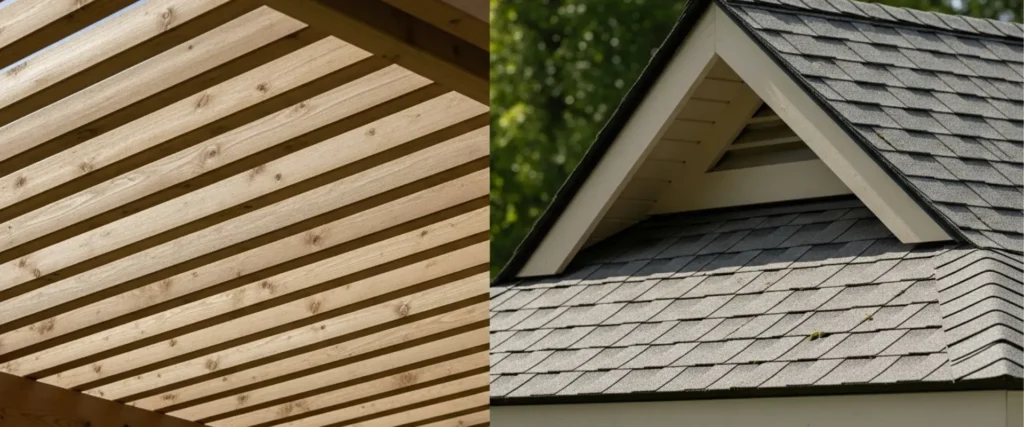
The most significant difference between pergola and pavilion structures lies in their roof design. Pergolas feature open roofs that provide partial shade and allow rain to pass through. This makes them perfect for sunny days but less practical during storms or heavy rain.

Pavilions offer complete roof coverage with materials like asphalt shingles, metal roofing, or cedar shakes. This solid roof protection means you can enjoy your outdoor space during light rain, snow, or intense sun exposure.

2. Size and Scale

Pergolas generally work well in smaller spaces and can be built to fit compact yards. They create intimate settings perfect for dining areas, garden walkways, or small seating areas.

Pavilions require more space due to their larger footprint and greater height requirements. They’re designed to accommodate bigger gatherings, outdoor kitchens, hot tubs, or multiple seating areas.

3. Construction and Materials

Pergola construction typically uses lighter materials and simpler joinery techniques. Most pergolas can be installed in 1-2 days with basic tools and moderate DIY skills.

Pavilion construction requires more substantial materials, deeper foundations, and professional installation. The heavier timber frame construction and complete roofing system make pavilions a more complex building project.

4. Maintenance Requirements

Pergolas require regular maintenance, including staining or sealing every 2-3 years, checking for loose connections, and managing plant growth if you’ve added climbing vines.

Pavilions need roof maintenance, gutter cleaning, and periodic inspections of the more complex structural elements. However, their solid construction often means longer intervals between major maintenance tasks.

backyard structures guide

Choosing the Right Structure for Your Space

Your decision between pergola vs. pavilion should consider several factors about your outdoor living goals and property characteristics.

1. Consider Your Climate

In areas with frequent rain or harsh winters, pavilions provide better year-round functionality. Long Island’s varied weather patterns make pavilions particularly valuable for homeowners who want consistent outdoor entertainment options.

Pergolas work best in drier climates or for homeowners who primarily use outdoor spaces during pleasant weather conditions.

2. Available Space and Yard Layout

Measure your available space carefully. Pergolas work well in smaller yards, against house walls, or as garden accents. They can even span between existing structures.

Pavilions need adequate clearance on all sides and enough space to feel proportionate to your property. A too-large pavilion can overwhelm a small yard, while a too-small pavilion might look lost on a large property.

3. Intended Use and Lifestyle

Think about how you’ll use your outdoor structure. If you want a cozy spot for morning coffee or an attractive support for climbing plants, pergola ideas might suit you perfectly.

For regular entertainment, outdoor dining, or all-weather outdoor activities, pavilions offer superior functionality. They can house outdoor kitchens, provide space for hot tubs, or create true outdoor rooms.

4. Budget and Timeline

Pergolas offer quicker installation and lower upfront costs, making them attractive for homeowners wanting immediate outdoor improvements.

Pavilions require larger investments but provide more substantial long-term value and functionality. Consider your current budget alongside your long-term outdoor living goals.

Popular Pergola Ideas for Your Backyard

Whether you’re following the top pergola trend or seeking timeless elegance, these ideas can inspire your design:

pergola ideas garden

1. Garden Pergola Walkways

Create stunning garden transitions with pergola walkways that guide visitors through your landscape while supporting beautiful climbing plants.

pergola ideas dining area

2. Dining Area Pergolas

Position pergolas over outdoor dining spaces to provide comfortable partial shade during meals while maintaining an open, airy atmosphere.

pergola ideas

3. Pool Area Pergolas

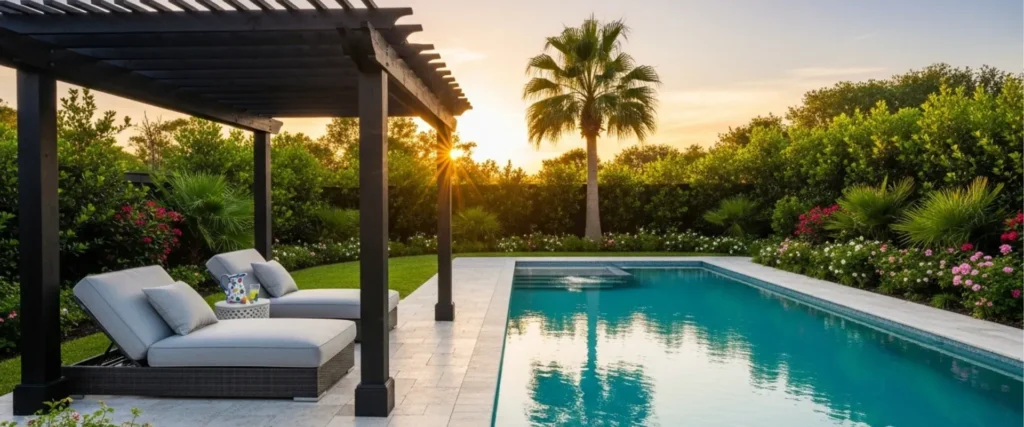
Install pergolas near swimming pools to create shaded seating areas without blocking too much sunlight from reaching the water.

pergola ideas attached pergolas

4. Attached Pergolas

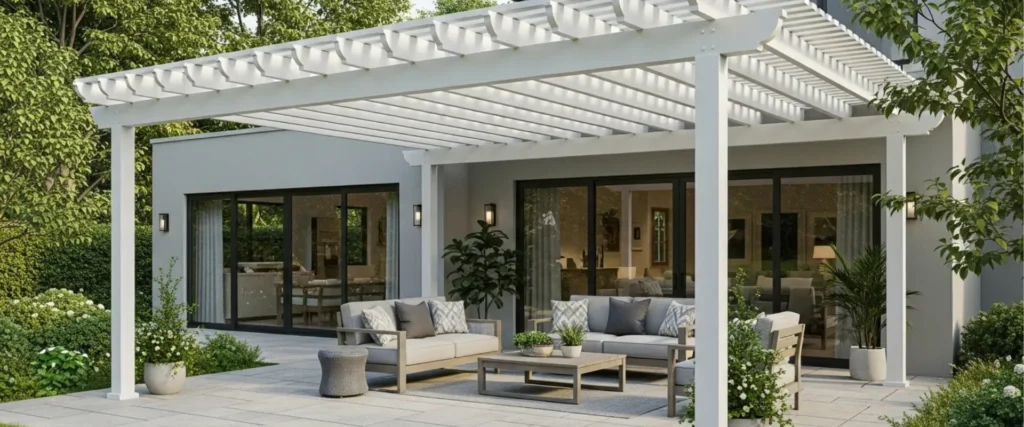
Mount pergolas directly to your home’s exterior wall to create seamless indoor-outdoor transitions and extend your living space.

Custom Solutions from Wood Kingdom West

At Wood Kingdom West, we specialize in creating custom outdoor structures that perfectly match your vision and lifestyle needs. Our experienced team can help you design either pergolas or pavilions that complement your existing landscape and home architecture.

Whether you’re looking for a quick pergola installation or designing custom backyard pavilion ideas with lighting and outdoor kitchens, our expert team ensures every detail is crafted for beauty and durability. Our structures are built using premium materials and time-tested construction techniques that withstand Long Island’s changing seasons.

Transform Your Backyard Today

Whether you choose a charming pergola or a substantial pavilion, either structure will enhance your outdoor living experience and create lasting memories with family and friends. The pergola vs. pavilion decision ultimately depends on your specific needs, budget, and long-term outdoor living goals.

Ready to start your backyard transformation? Contact Wood Kingdom West today to discuss your custom pergola or pavilion project. Our expert team will help you design and install the perfect outdoor structure for your Long Island home.

Frequently Asked Questions

Can I convert a pergola into a pavilion later?

Converting a pergola to a pavilion typically requires significant structural modifications, including stronger foundations, additional support posts, and complete roof reconstruction. It’s usually more cost-effective to build a pavilion from the beginning if you want full roof coverage.

Which structure adds more value to my home?

Both structures can increase property value, but pavilions typically provide greater value increases due to their substantial construction and year-round functionality. However, the actual value depends on your local market and overall property characteristics.

How long do pergolas and pavilions last?

Well-built pergolas typically last 15-25 years with proper maintenance. Quality pavilions can last 30-50 years or more due to their more robust construction and complete weather protection.

Do I need permits for pergola or pavilion installation?

Permit requirements vary by location and structure size. Generally, pergolas under 200 square feet may not require permits, while pavilions usually do. Check with your local building department before beginning any project.

Can I install either structure myself?

Basic pergola kits can be DIY projects for experienced homeowners with proper tools and skills. Pavilions typically require professional installation due to their complex construction, electrical requirements, and structural engineering needs.

How To Anchor a Pergola To Pavers: Complete Guide

Share with:

Installing a pergola on pavers creates a stunning focal point for your outdoor space, but proper anchoring is essential for safety and longevity. Many homeowners worry about securing their pergola without damaging their beautiful paver patio or compromising stability. The good news? With the right techniques and tools, you can achieve a rock-solid installation that protects both your investment and your family.

At Wood Kingdom West, we’ve helped Long Island homeowners create beautiful outdoor spaces for over 35 years. This comprehensive guide will walk you through every step of anchoring your pergola to pavers, from planning to final installation.

Why Proper Pergola Anchoring Matters

Before diving into the how-to steps, understanding why proper anchoring is crucial will help you appreciate each part of the process. Pergolas face constant exposure to wind, rain, and seasonal temperature changes. Without secure anchoring, these forces can cause your structure to shift, wobble, or even topple over.

Wind loads pose the biggest threat to unsecured pergolas. Even moderate winds can create significant uplift forces, while strong storms can turn an unanchored pergola into a dangerous projectile. Proper anchoring distributes these forces safely into the ground, keeping your pergola stable in all weather conditions.

Additionally, most building codes require permanent structures like pergolas to meet specific anchoring requirements. Following proper installation methods ensures your pergola meets local safety standards and won’t cause issues if you sell your home.

backyard paver installation tips

Tools and Materials You’ll Need

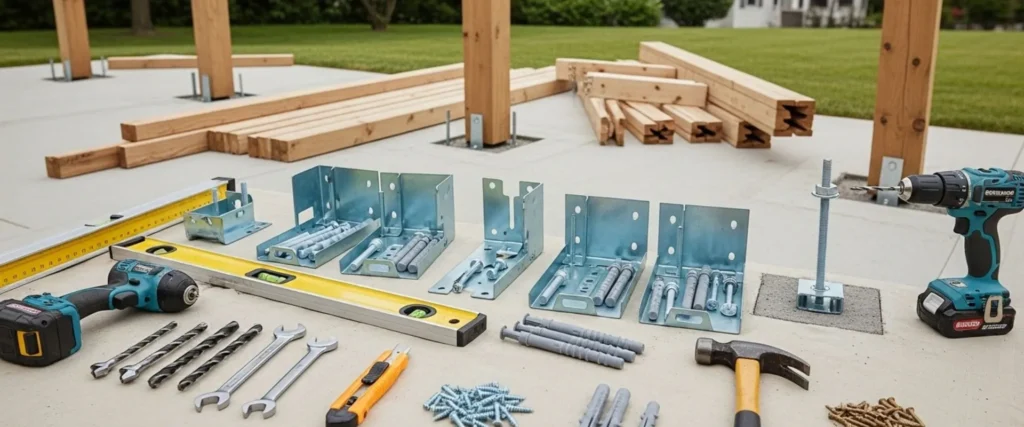
Gathering the right tools and materials before starting will make your pergola anchoring project much smoother. Here’s your complete shopping list:

Essential Tools:

  • Hammer drill with masonry bits
  • Level (at least 4 feet long)
  • Measuring tape
  • Chalk or pencil for marking
  • Socket wrench set
  • Safety glasses and gloves
  • Vacuum or shop vac for debris removal

Required Materials:

  • Concrete anchors (wedge anchors work best for this application)
  • Galvanized lag bolts
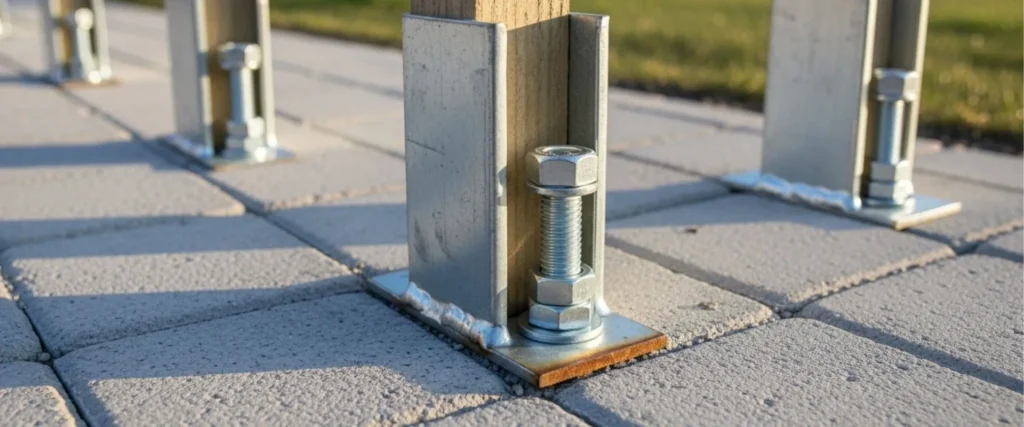
  • Metal post brackets or pergola base plates
  • Construction adhesive rated for outdoor use
  • Galvanized washers
  • Silicone sealant

The quality of your anchors directly impacts your pergola’s stability. Stainless steel or hot-dip galvanized anchors resist corrosion and maintain their holding power for decades. Avoid basic steel anchors that can rust and fail over time.

pergola wind protection

Step-by-Step Pergola Anchoring Process

1. Planning Your Layout

Start by determining the exact placement of your pergola posts. Most pergolas require four anchor points, one for each corner post. Use your measuring tape to mark the precise location of each post, ensuring your layout is perfectly square.

Check that your planned placement allows adequate clearance from property lines, overhead power lines, and existing structures. Many areas require pergolas to be at least 3 feet from property boundaries.

2. Preparing the Paver Surface

Clean the paver surface thoroughly where each post will sit. Remove any dirt, debris, or loose material that could interfere with proper anchor installation. If your pavers have sand joints, you may need to remove some sand around the anchor points.

Inspect each paver for cracks or damage. Damaged pavers won’t provide reliable anchor support and should be replaced before proceeding. This step is crucial for long-term pergola stability.

3. Marking Anchor Points

Position your pergola posts or base plates in their final locations and mark the anchor hole positions. Double-check all measurements and ensure posts are perfectly aligned. Most pergola posts require 2-4 anchor bolts each, depending on the post size and local wind conditions.

Use chalk or a pencil to clearly mark each drill point. Take time to verify your measurements—correcting mistakes now is much easier than after drilling begins.

4. Drilling Anchor Holes

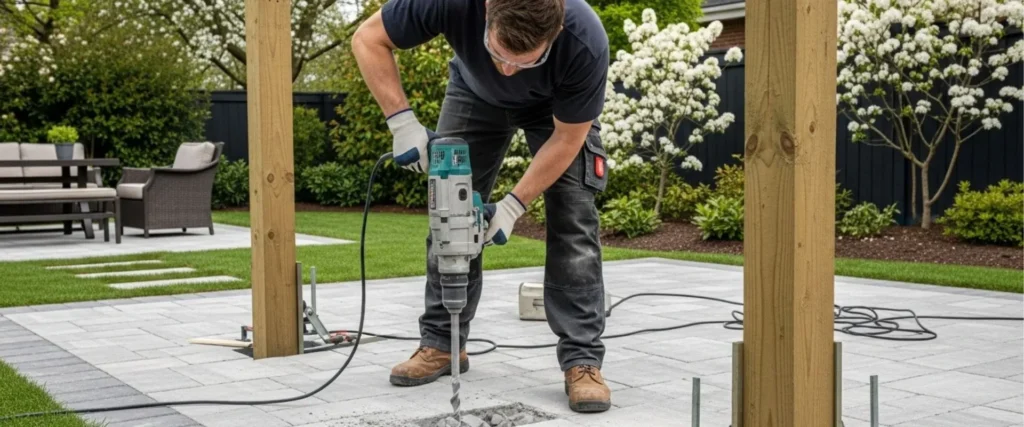
Put on safety glasses and gloves before starting this step. Using your hammer drill with a masonry bit, drill holes at each marked location. The hole diameter should match your anchor specifications—typically 1/2 inch for most pergola installations.

Drill slowly and steadily to avoid cracking the pavers. The hole depth should extend through the paver and into the concrete base beneath. Most installations require holes 3-4 inches deep total.

Clean out drill debris using a vacuum or compressed air. Any remaining debris can prevent anchors from seating properly and reduce holding strength.

5. Installing the Anchors

Insert your concrete anchors into each drilled hole. Wedge anchors are ideal for this application because they expand against the concrete base, creating maximum holding power. Tap anchors gently with a hammer until they sit flush with the paver surface.

Apply a small amount of construction adhesive around each anchor before final installation. This extra step helps seal the connection and prevents water infiltration that could cause freeze-thaw damage.

6. Securing the Pergola Posts

Position your pergola posts or base plates over the installed anchors. Thread washers and nuts onto each anchor bolt, then hand-tighten initially. Use your level to ensure each post is perfectly plumb before final tightening.

Tighten anchor nuts gradually in a cross pattern, similar to tightening wheel lugs on a car. This approach ensures even pressure distribution and prevents binding. Check that posts remain level throughout the tightening process.

7. Adding Pergola Wind Protection

Once your posts are securely anchored, consider additional pergola wind protection measures. Cross-bracing between posts significantly increases structural stability, especially in areas prone to strong winds.

If your pergola design includes a roof or canopy, ensure these elements are also properly secured. Loose roof panels can create dangerous uplift forces during storms.

securing pergolas

Professional Installation vs. DIY

While securing pergolas can be a rewarding DIY project, some situations call for professional installation. Complex designs, challenging site conditions, or local permit requirements may make professional installation the smarter choice.

Wood Kingdom West offers expert pergola installation throughout Long Island. Our experienced team handles everything from site preparation to final inspection, ensuring your pergola meets all safety requirements and building codes.

Consider professional installation if you’re uncomfortable using power tools, lack experience with masonry work, or simply want the peace of mind that comes with expert installation.

Maintenance Tips for Anchored Pergolas

Proper maintenance keeps your anchored pergola safe and beautiful for years to come. Inspect anchor points annually, looking for signs of loosening, corrosion, or damage. Tighten any loose bolts and replace corroded hardware immediately.

Check that pavers around anchor points remain level and stable. Settling or frost heave can affect anchor performance over time. Address any paver movement quickly to prevent anchor failure.

Apply fresh sealant around anchor points every few years to prevent water infiltration. This simple maintenance step prevents costly anchor replacement and extends your pergola’s lifespan.

anchor a pergola to pavers

Common Installation Mistakes to Avoid

Many DIY pergola installations fail due to preventable mistakes. Using incorrect anchor types is the most common error; standard concrete screws lack the holding power needed for outdoor structures.

Insufficient hole depth is another frequent problem. Shallow anchors can pull out under load, creating dangerous conditions. Always follow manufacturer specifications for hole depth and diameter.

Skipping the level check during installation leads to crooked posts that stress the entire structure. Take time to verify that each post is perfectly plumb before final tightening.

Transform Your Outdoor Space with Confidence

Anchoring a pergola to pavers requires careful planning and attention to detail, but the results are worth the effort. A properly secured pergola provides years of outdoor enjoyment while adding significant value to your property.

Ready to create your dream outdoor space? Contact Wood Kingdom West offers comprehensive backyard paver installation tips and professional pergola installation services throughout Long Island. Contact us today to discuss your outdoor living goals and discover how we can help transform your backyard into the perfect retreat.

Whether you choose DIY installation or professional service, proper anchoring ensures your pergola will stand strong for decades to come. Your family deserves a safe, beautiful outdoor space, and with the right anchoring techniques, that’s exactly what you’ll have.

Frequently Asked Questions

Can I anchor a pergola to pavers without drilling into concrete?

Surface-mounted options exist, but don’t provide adequate stability for permanent installations. Proper anchoring requires a connection to the concrete base beneath your pavers.

How deep should pergola anchors go into concrete?

Most installations require anchors to penetrate at least 2-3 inches into the concrete base beneath your pavers. Check local building codes for specific requirements in your area.

What size anchors do I need for my pergola?

Anchor size depends on your pergola’s dimensions and local wind loads. Most residential pergolas use 1/2-inch diameter anchors, but larger structures may require 5/8-inch or 3/4-inch anchors.

Do I need a permit to anchor a pergola to pavers?

Permit requirements vary by location. Check with your local building department before starting installation. Many areas require permits for permanent outdoor structures.

How often should I check my pergola anchors?

Inspect your pergola anchors at least once per year, preferably in spring before severe weather season. Look for loose bolts, corrosion, or other signs of wear.

Best Swing Set Sizes for Small Backyards: A Practical Guide

Share with:

Finding the perfect swing set sizes for small backyard spaces can feel overwhelming. Many families assume they need a large yard to give their children a quality play experience, but that’s simply not true. With proper planning and the right size considerations, you can create an amazing backyard playground that fits your space perfectly.

At Wood Kingdom West, we’ve helped Long Island families maximize their outdoor spaces for over 35 years. Whether you have a tiny urban backyard or a modest suburban lot, there’s always a swing set solution that works. This guide will walk you through everything you need to know about choosing the right swing set size for your small backyard.

Understanding Your Small Backyard Space

Before exploring swing set options, you need to measure and assess your available space. Small backyards typically range from 600 to 1,200 square feet, but even smaller spaces can accommodate the right playset.

Start by measuring your backyard’s length and width, and noting any obstacles like trees, fences, or garden beds. Remember that swing sets need safety clearances on all sides. The Consumer Product Safety Commission recommends at least 6 feet of clearance around all equipment, though some manufacturers suggest even more space for certain components.

Key Measurements to Consider

Your swing set placement should account for both the structure’s footprint and the required safety zones. A typical small yard playset might measure 8×12 feet, but you’ll need additional space for safe swinging and sliding activities.

Consider the swing arc when calculating space requirements. Swings need approximately 24 feet of clearance from the support beam to any obstacle in front and behind. Side-to-side clearance should be at least 6 feet on each side of the swing set.

Swing Set Sizes for Small Backyard

Small yard playsets come in various configurations designed specifically for space-conscious families. These compact options maximize fun while minimizing the footprint.

1. A-Frame Swing Sets

A-frame designs are perfect for narrow backyards. These structures typically measure 8-10 feet wide and can accommodate 2-3 swings. Their triangular shape provides excellent stability while using minimal ground space.

Many A-frame swing sets include additional features like trapeze bars or climbing ropes without significantly increasing the footprint. This design works particularly well for long, narrow yards where width is limited.

2. Tower Playsets with Vertical Design

Tower-style playsets build upward rather than outward, making them ideal swing set options for small backyards. These structures typically feature a central tower with a slide, climbing wall, and swing attachment points.

A compact tower playset might measure just 10×8 feet at the base but provide multiple play activities. The vertical design maximizes play value while conserving precious backyard real estate.

3. Modular Swing Systems

Modular systems allow you to start small and expand later if you move or gain more space. Begin with a basic swing frame and add components like slides, climbing features, or additional swings as space and budget allow.

This approach is particularly smart for growing families or those unsure about their long-term space needs. You can customize the configuration to fit your exact measurements and play preferences.

Swing Set Placement Tips

Swing Set Placement Tips for Maximum Efficiency

Strategic placement can make a small backyard feel larger while ensuring safe play. Consider these swing set placement tips when planning your installation.

1. Corner Positioning

Placing your swing set in a corner can save significant space by utilizing fence lines for partial clearance boundaries. This positioning works especially well for L-shaped or triangular swing sets designed to fit corner installations.

Corner placement also creates a defined play area that doesn’t interfere with other backyard activities like gardening or entertaining. The remaining yard space feels more open and usable.

2. Parallel to Property Lines

Installing your swing set parallel to your longest property line can maximize the feeling of spaciousness. This orientation works particularly well in rectangular yards where you want to maintain an open central area.

Consider how this placement affects sight lines from your house. You’ll want to maintain good visibility of the play area from key windows or outdoor living spaces.

3. Integration with Landscaping

Smart landscaping can make your small backyard feel larger while incorporating the swing set naturally into the overall design. Consider using the area under and around the playset for attractive, low-maintenance groundcover.

Proper drainage around the swing set is essential, especially in small yards where water runoff is limited. Ensure the installation area slopes away from the structure to prevent water accumulation.

swing set sizes for small backyard

Safety Considerations in Compact Spaces

Safety becomes even more critical when working with limited space. Every inch counts, so you can’t compromise on essential clearances and safety features.

1. Clearance Requirements

Even in small backyards, safety clearances cannot be reduced. The 6-foot minimum clearance around all equipment is non-negotiable. For swings, you need 24 feet of clearance in the swing path direction.

If your space can’t accommodate these clearances, consider alternative play equipment like a climbing dome or sandbox that requires less clearance space.

2. Surface Materials

Proper safety surfacing is crucial in small spaces where children are more likely to play close to obstacles. Rubber mulch, engineered wood chips, or rubber mats all provide excellent impact protection in compact areas.

The safety surface should extend at least 6 feet in all directions from the play equipment. In tight spaces, this surfacing might cover most of your play area, which actually creates a cohesive, defined play zone.

3. Age-Appropriate Sizing

Choose equipment scaled appropriately for your children’s ages. Smaller children need less space for safe play, allowing you to maximize the play value in your available area.

Consider the long-term growth of your children when selecting features. A swing set that works perfectly for toddlers might feel cramped as children grow larger and more active.

Backyard Swing Set Ideas

Backyard Swing Set Ideas for Small Spaces

Creative design solutions can help you maximize play value in minimal space. These backyard swing set ideas prove that small doesn’t mean boring.

1. Multi-Level Designs

Multi-level playsets create more play space by building upward. A two-story design might include a ground-level sandbox or playhouse with an upper deck featuring swings and a slide.

This vertical approach can double your play space without increasing the ground footprint. Children love the adventure of climbing between levels, and parents appreciate the space efficiency.

2. Combination Play Structures

Look for swing sets that combine multiple activities in one compact footprint. A structure might include swings, a slide, a climbing wall, and a sandbox, all integrated into a single unit.

These combination structures eliminate the need for separate play equipment, leaving more open space in your small backyard for other activities.

3. Seasonal and Removable Components

Consider swing sets with removable or seasonal components that can be stored when not in use. Swings can be unhooked and stored during winter, and some accessories can be removed to create more space for other activities.

This flexibility allows you to adapt your play space throughout the year and for different types of family gatherings or yard work.

Professional Installation and Customization Services

Professional installation ensures your swing set is safe, level, and properly positioned in your small space. Wood Kingdom West offers expert installation services throughout Long Island, helping families maximize their backyard potential safely and efficiently.

Our experienced team can assess your specific space constraints and recommend the best placement and configuration for your needs. We understand local soil conditions, drainage requirements, and safety regulations that affect small backyard installations.

Custom modifications can help standard swing sets fit unique space requirements. Our team can adjust heights, modify clearances where safely possible, or recommend alternative configurations that work better in tight spaces.

Transform Your Small Backyard into a Play Paradise

Small backyards don’t have to limit your family’s outdoor fun. With careful planning, smart product selection, and professional guidance, you can create an amazing play space that your children will love for years to come.

Ready to explore swing set options for your small backyard? Contact Wood Kingdom West today to schedule a consultation with our experienced team. We’ll help you find the perfect solution that maximizes fun while fitting your space perfectly.

Frequently Asked Questions

What’s the smallest space needed for a swing set?

The minimum space for a basic swing set is approximately 20 x 30 feet, including required safety clearances. This accommodates a simple A-frame swing with two swings and proper clearance zones.

Can I install a swing set on a slope?

Yes, but slopes require professional assessment and potentially more complex installation. Steep slopes may need leveling or terracing to create a safe, stable installation area.

How do I maintain a swing set in a small backyard?

Regular inspections are easier in small spaces since everything is visible and accessible. Check hardware monthly, maintain safety surfacing, and keep vegetation trimmed away from play areas.

Are there swing sets designed specifically for small yards?

Yes, many manufacturers offer compact or small-yard specific designs. These prioritize vertical play space and efficient footprints while maintaining safety standards.

What’s the best surface material for small backyard swing sets?

Rubber mulch or rubber mats work well in small spaces because they’re easy to contain and maintain. They also provide excellent safety protection in areas where space is limited.

What to Consider Before Installing a Pergola Outdoors

Share with:

Planning to add a pergola to your outdoor space? You’re making a smart choice. Pergolas create beautiful focal points while providing shade and structure to any backyard. However, installing a pergola requires careful planning to ensure you get the most value from your investment.

At Wood Kingdom West, we’ve helped Long Island homeowners transform their backyards for over 35 years. Through our experience, we’ve learned that successful pergola installations depend on thoughtful preparation. This guide covers everything you need to know before installing a pergola, from location selection to budget planning.

backyard pergola ideas

Location and Space Requirements

Choosing the right spot for your pergola sets the foundation for everything else. The location affects both functionality and visual appeal.

Measuring Your Available Space

Start by measuring your intended area carefully. Standard pergolas range from 8×8 feet for smaller spaces to 16×20 feet or larger for expansive yards. Consider these spacing guidelines:

  • Leave at least 3 feet between your pergola and property lines
  • Allow 2-3 feet of clearance from existing structures
  • Ensure adequate walking space around all sides

Sun and Shade Patterns

Watch how sunlight moves across your yard throughout the day. Installing a pergola in an area that receives morning sun but afternoon shade creates a comfortable outdoor living space. If your chosen spot gets intense all-day sun, plan for additional shade solutions like retractable canopies or climbing vines.

Proximity to Your Home

Position your pergola where it complements your home’s architecture and outdoor flow. Popular locations include:

  • Adjacent to patios or decks for seamless indoor-outdoor transitions
  • Over outdoor dining areas or seating zones
  • As standalone garden features in larger yards
  • Near pools or hot tubs for defined relaxation areas

Permits and Building Codes

Understanding local regulations prevents costly delays and ensures your pergola meets safety standards.

When You Need Permits

Most municipalities require building permits for permanent pergola installations. Generally, you’ll need permits if your pergola:

  • Exceeds certain height limits (typically 10-12 feet)
  • Covers areas larger than specified square footage
  • Includes electrical or plumbing components
  • Attaches to existing structures

Setback Requirements

Local zoning laws specify how far structures must sit from property lines. These setback requirements vary by area but typically range from 5 to 10 feet. Check with your local building department before finalizing your pergola placement.

HOA Restrictions

If you live in a homeowners’ association community, review your HOA guidelines. Some associations restrict structure sizes, materials, or colors. Getting HOA approval before installation saves time and potential conflicts.

pergola installation tips

Foundation and Ground Preparation

Proper foundation work ensures your pergola remains stable and level for years to come.

Ground Conditions Assessment

Evaluate your installation site’s ground conditions. Level, well-draining soil provides the best foundation. Sloped areas may require additional grading or specialized footings. Avoid areas with:

  • Poor drainage or standing water
  • Underground utilities (call 811 before digging)
  • Tree roots that could interfere with footings
  • Rock or extremely hard soil without proper equipment

Foundation Options

Different pergola types require different foundation approaches:

  1. Concrete Footings: Most permanent pergolas need concrete footings extending below the frost line. This typically means digging holes 2-3 feet deep and 12 inches wide for each post.
  2. Ground Anchors: Some pergola kits use ground anchor systems that don’t require concrete. These work well for temporary installations or areas where concrete isn’t practical.
  3. Deck Mounting: Pergolas can mount directly to existing decks using specialized hardware, provided the deck structure can support the additional weight.
installing a pergola

Material Selection and Durability

Your material choice affects both appearance and maintenance requirements over time.

Wood Options

Wood pergolas offer natural beauty and customization options:

  • Cedar: Naturally weather-resistant with attractive grain patterns
  • Pressure-treated lumber: Affordable option with good durability
  • Hardwoods: Premium choice offering superior longevity

Wood pergolas require regular staining or sealing to maintain appearance and weather resistance.

Low-Maintenance Alternatives

Consider these options if you prefer minimal upkeep:

  • Vinyl: Weather-resistant and available in various colors
  • Aluminum: Lightweight, rust-resistant, and modern appearance
  • Composite materials: Combine wood appearance with synthetic durability

Style Considerations

Match your pergola style to your home’s architecture and your backyard pergola ideas. Popular styles include:

  • Traditional designs with decorative end cuts
  • Modern minimalist structures with clean lines
  • Mediterranean styles featuring curved elements
  • Rustic designs using natural wood textures

Utility Line Considerations

Safety requires checking for underground utilities before any digging begins.

1. Call Before You Dig

Contact 811 (or your local utility marking service) at least 2-3 business days before installation. This free service marks underground gas, electric, water, and communication lines.

  • Overhead Clearances

Check for overhead power lines, cables, or phone lines that could interfere with your pergola or installation process. Maintain at least 10 feet of clearance from power lines.

Weather and Climate Factors

Your local climate affects both pergola selection and installation timing.

Wind Considerations

High-wind areas require additional bracing and stronger foundations. Consider your region’s typical wind patterns and storm frequencies when planning your installation.

Snow Load Requirements

If you live in areas with heavy snow, your pergola must handle snow loads. This typically means:

  • Stronger beam construction
  • Reduced spacing between support elements
  • Engineered designs for extreme loads

Seasonal Installation Timing

Plan installation during favorable weather conditions. Spring through early fall typically offers the best conditions for concrete work and construction.

pergola installation tips for backyard

Why Choose Professional Installation

While DIY installation saves money upfront, professional installation offers significant advantages.

1. Expertise and Experience

Professional installers bring years of experience handling different soil conditions, site challenges, and local building codes. They can identify potential problems before they become expensive issues.

2. Quality Assurance

Professional installations typically include warranties covering both materials and workmanship. This protection gives you peace of mind about your investment.

3. Time Savings

Professional teams complete installations much faster than DIY approaches, often finishing in 1-2 days versus several weekends for homeowner installations.

At Wood Kingdom West, our experienced team handles every aspect of pergola installation, from permits to final finishing touches. We’ve been creating beautiful Long Island backyards since 1989 and understand local conditions and requirements.

Transform Your Backyard Today

Installing a pergola creates lasting value and enjoyment for your outdoor space. Following expert pergola installation tips ensures your pergola provides years of beauty and functionality while avoiding common pitfalls.

Ready to start your pergola project? Contact Wood Kingdom West today to discuss your pergola installation needs. Our experienced team will help you choose the perfect pergola for your space and handle every detail from planning to completion.

Frequently Asked Questions

How long does pergola installation typically take?

Professional installation usually takes 1-2 days for standard pergolas, though complex custom designs or challenging site conditions may require additional time.

Can I install a pergola on my existing deck?

Yes, pergolas can be mounted to existing decks if the deck structure can support the additional weight. Professional evaluation ensures safe installation.

What’s the best material for Long Island’s climate?

Cedar and pressure-treated lumber work well in Long Island’s climate, though vinyl and aluminum options require less maintenance over time.

Do I need a permit for a 10×10 pergola?

Permit requirements vary by municipality. Most areas require permits for permanent structures, regardless of size. Check with your local building department.

How much maintenance does a wood pergola require?

Wood pergolas typically need staining or sealing every 2-3 years to maintain appearance and weather resistance.

How to Choose the Best Location for Your Backyard Shed

Share with:

Choosing the right spot for your backyard shed can make the difference between a functional storage solution and a costly mistake. The location affects everything from accessibility and drainage to local building codes and long-term maintenance. Whether you’re planning to store garden tools, lawn equipment, or seasonal items, proper shed placement requires careful consideration of multiple factors.

At Wood Kingdom West, we’ve helped Long Island homeowners find the perfect shed solutions for over 35 years. Through decades of experience, we’ve learned that taking time to evaluate your property before installation saves money and prevents headaches down the road. This guide will walk you through the essential factors to consider when selecting the ideal location for your new storage shed.

1.  Assess Your Property’s Layout and Accessibility

Start by walking around your property with a measuring tape and notepad. Look for flat, stable areas that can accommodate your shed’s footprint while leaving adequate space for doors to open fully. Consider how you’ll use the shed daily; if you’re storing lawn equipment, you’ll want easy access from your garage or house.

Think about the path from your shed to where you’ll use the stored items most frequently. A shed placed too far from your garden makes it inconvenient to grab tools, while one located too close to your house might violate local setback requirements.

Make note of existing structures, trees, and landscaping features that could impact placement. Large trees provide natural shade but may drop branches or leaves that require regular cleanup. Underground utilities, septic systems, and irrigation lines also limit your placement options.

2.  Evaluate Drainage and Ground Conditions

Poor drainage is one of the biggest threats to your backyard shed’s longevity. Water pooling around your shed’s foundation leads to rot, mold, and structural damage that can be expensive to repair.

Walk your property during and after rainfall to identify natural water flow patterns. Avoid low-lying areas where water naturally collects, even if they seem convenient. Instead, look for naturally elevated spots or gentle slopes that allow water to flow away from the structure.

Test soil conditions by digging a small hole about 12 inches deep in potential locations. Clay-heavy soil retains moisture longer and may require additional drainage solutions. Sandy soil drains well but may need stabilization for heavier sheds.

If your ideal location has minor drainage issues, these can often be addressed through proper site preparation. French drains, gravel foundations, or slight grading adjustments can redirect water flow effectively.

3.  Consider Sunlight and Weather Exposure

The amount of sunlight your shed receives affects both its contents and structure. South-facing locations receive the most direct sunlight throughout the day, which can cause excessive heat buildup inside the shed and fade stored items.

North-facing locations receive minimal direct sunlight, keeping the interior cooler but potentially creating moisture problems in humid climates. East and west exposures offer moderate sunlight with morning or afternoon peak temperatures.

Consider your region’s prevailing winds when evaluating shed placement tips. In many areas, storms typically approach from specific directions. Positioning your shed to minimize wind exposure on its largest wall surfaces reduces stress during severe weather.

If you plan to store temperature-sensitive items like paint, chemicals, or electronics, prioritize locations with natural shade or consider adding shade structures. Alternatively, if you’re storing items that benefit from staying dry, morning sunlight can help evaporate overnight moisture.

shed site preparation

4.  Check Local Building Codes and Setback Requirements

Before finalizing your location choice, research local building codes and homeowner association rules that govern shed placement. Most municipalities require sheds to be set back a minimum distance from property lines, typically between 3 and 10 feet.

Height restrictions may also influence your shed choice and placement. Some areas limit accessory structures to specific heights or require additional permits for larger buildings.

Check if your planned location requires building permits. While many small sheds don’t need permits, larger structures or those with electrical connections often do. Starting the permit process early prevents delays and ensures your shed meets all legal requirements.

Contact your utility company to mark underground lines before beginning any excavation work. This free service prevents dangerous accidents and costly utility repairs during shed site preparation.

5.  Plan for Future Landscaping and Property Changes

Think beyond your current needs when selecting your shed location. Consider how your landscaping, family situation, or property use might change over the next 10-15 years.

If you’re planning to add a pool, expand your deck, or plant large trees, ensure your shed placement won’t interfere with these future projects. Similarly, consider how growing trees or shrubs might affect access or sunlight exposure over time.

Young children may eventually want play areas where you’re considering shed placement. Elderly family members might need closer access to storage in later years. Planning for these possibilities now saves relocation costs later.

6.  Site Preparation Essentials

Once you’ve chosen the perfect location, proper shed site preparation ensures your shed’s stability and longevity. Start by clearing the area of grass, weeds, and debris, extending about two feet beyond the shed’s footprint on all sides.

Level the ground using a transit level or smartphone app designed for construction. Most sheds require the foundation to be level within 1 inch across the entire footprint. This may require adding or removing soil in specific areas.

Consider your foundation options based on shed size and local conditions. Concrete pads provide the most stable foundation but require more time and expense. Gravel pads offer good drainage and easier installation. Pressure-treated lumber foundations work well for smaller sheds on stable ground.

Install proper drainage around the foundation if needed. This might include extending downspouts, installing French drains, or creating swales to direct water away from the structure.

backyard shed ideas

7.  Maximize Your Shed’s Potential

The right shed placement not only boosts your property’s functionality but also supports better shed organization for all your tools, equipment, and seasonal items. Our team at Wood Kingdom West provides custom shed storage solutions tailored to Long Island’s climate and property layouts.

If you’re interested in exploring backyard shed ideas or need help selecting the perfect shed for your property, Wood Kingdom West offers custom storage solutions designed for Long Island’s unique climate and conditions. Our experienced team can help you navigate local requirements and ensure proper installation.

Transform Your Storage Solution Today

Choosing the best location for your backyard shed requires balancing practical considerations with your property’s unique characteristics. By evaluating drainage, accessibility, building codes, and long-term needs, you’ll create a functional storage solution that serves your family for years to come.

Ready to explore your options? Contact Wood Kingdom West to discuss custom shed solutions perfect for your Long Island property. Our team brings over three decades of experience helping homeowners create organized, functional outdoor spaces.

Frequently Asked Questions

How far should a shed be from the house?

Most local codes require sheds to be at least 3-5 feet from the house, but check your specific municipal requirements. Consider practical factors like access and aesthetics when determining the exact distance.

Can I place a shed under trees?

While possible, placing a shed directly under large trees increases maintenance needs due to falling branches and leaves. Ensure adequate clearance, and consider how root systems might affect the foundation.

Do I need a concrete pad for my shed?

Concrete pads aren’t always necessary. Smaller sheds can use gravel or treated lumber foundations. Larger sheds or those storing heavy equipment benefit from concrete foundations.

How can I determine if my soil drains sufficiently?

Dig a 12-inch deep hole and fill it with water. If water remains after 24 hours, you may have drainage issues that need addressing before shed installation.

What if my ideal location has a slight slope?

Minor slopes can be leveled during site preparation. Significant slopes may require retaining walls or terracing, which increases installation complexity and cost.

Essential Backyard Playground Safety Checklist for Kids

Share with:

Creating a safe and enjoyable backyard playground helps keep kids active and happy. At Wood Kingdom West, we know parents want their children to enjoy outdoor play without worry. A well-maintained playground encourages exploration while minimizing risks.

This guide offers a backyard playground safety checklist to help you create a secure environment. We’ll cover equipment checks, surface safety, and maintenance tips to ensure your kids’ playtime is both fun and safe. Let’s dive into practical steps for a worry-free outdoor play area.

Why Backyard Playground Safety Matters

A safe playground protects children from injuries while allowing them to enjoy active play. Each year, thousands of children visit emergency rooms due to playground accidents, many from falls or faulty equipment. A backyard playground safety checklist helps you spot hazards before they cause harm. Regular inspections and proper setup reduce risks, letting kids swing, slide, and climb with confidence. 

By prioritizing safety, you create a space where children can grow, explore, and have fun. Consider backyard playset ideas to design a space that’s both engaging and secure.

Common Playground Risks to Watch For

Playgrounds can have hidden dangers if not properly maintained. Loose bolts, worn ropes, or uneven surfaces can lead to accidents. Falls are the leading cause of playground injuries, often due to unsafe surfaces or poorly secured equipment. Splinters from wooden structures or sharp edges on metal parts also pose risks. Knowing these hazards helps you address them early. 

A thorough playground safety inspection approach ensures that every part of the play area is safe for kids. Quality playhouse materials can also reduce risks, such as splinters or wear.

Your Backyard Playground Safety Checklist

To keep your playground safe, follow this detailed backyard playground safety checklist. Regular checks and maintenance create a secure environment for kids to enjoy.

Inspect Equipment for Wear and Tear

Check all playground equipment regularly for signs of damage. Look for rust on metal parts, cracks in plastic slides, or frayed ropes on swings. Tighten loose bolts and replace worn components immediately. Wooden structures, such as those from Wood Kingdom West, require extra attention to prevent splinters. 

Sand or seal wood surfaces yearly to keep them smooth. Regular inspections catch small issues before they become big problems, ensuring kids can play safely. For added fun, incorporate trampoline games to keep kids engaged while using sturdy equipment.

Ensure Safe Playground Surfaces

The ground beneath your playground matters. Falls cause most injuries, so a proper surface is critical. Use soft materials, such as rubber mulch, wood chips, or sand, to provide cushioning for falls. Avoid hard surfaces like concrete or grass, which doesn’t absorb impact well. Check that the surface material is at least 12 inches deep for adequate protection. Playground safety surfacing options, such as rubber tiles, can enhance safety and durability. Keep surfaces level and free of debris to prevent trips.

Check for Proper Anchoring

Unsecured equipment can tip over, causing serious injuries. Ensure swings, slides, and climbing structures are firmly anchored to the ground. Check stakes or bolts regularly to confirm they’re tight and stable. For larger playsets, follow the manufacturer’s guidelines for anchoring. A well-anchored playground remains steady during active play, providing parents with peace of mind and kids with a safe space to explore.

Maintain Safe Clearances Around Equipment

Clear space around swings, slides, and climbing structures prevents collisions. Ensure at least 6 feet of free space around each piece of equipment. Remove obstacles like rocks, toys, or low branches that could cause trips or falls. Swings need extra clearance, twice the height of the swing beam in front and behind. A clear play area lets kids move freely without bumping into hazards. Encourage open play to promote safe, unstructured fun in these spaces.

Regularly Clean and Sanitize

Dirt, mold, or grime can make playground equipment slippery or unsafe. Clean it regularly with mild soap and water to remove dirt and prevent buildup. Check for mold on wooden or plastic surfaces, especially in areas with shade. Sanitize high-touch areas, such as handrails and swing chains, to reduce the spread of germs. A clean playground not only looks inviting but also keeps kids safe from slips or infections.

Supervise Kids During Play

Even the safest playground needs adult supervision. Watch kids closely to ensure they use the equipment correctly. Teach them to avoid rough play, like pushing or jumping from high places. Set clear rules, such as one child per swing or no climbing on slide tops. Supervision complements your kids’ backyard play safety tips, ensuring rules are followed and risks are minimized. Consider adding basketball hoops to encourage supervised, active play for older kids.

Choosing the Right Playground Equipment

Selecting safe, durable equipment sets the foundation for a secure play area. Opt for high-quality materials designed for outdoor use. Look for smooth edges, non-toxic finishes, and age-appropriate designs. For younger kids, choose low platforms and gentle slides. Older children can handle taller structures with more challenging features. Always check weight limits and follow assembly instructions carefully. Durable trampolines can add variety to your playground setup.

Age-Appropriate Design Tips

Match equipment to your child’s age and abilities. Toddlers need low platforms and short slides, while older kids can use taller climbing walls or rope ladders. Avoid equipment with small gaps where heads or limbs could get stuck. Check that ladders and steps are easy to grip. 

An outdoor play area safety guide emphasizes the importance of age-appropriate designs to prevent injuries and ensure fun for every child. Custom kids’ playhouses can also provide safe, imaginative play spaces for younger children.

Maintaining Your Backyard Playground

Regular maintenance keeps your playground safe and functional. Schedule monthly inspections using your backyard playground safety checklist. Tighten bolts, lubricate moving parts, and replace worn components promptly. Seasonal checks are also key; inspect for winter damage in spring and clear debris after storms. Swing set maintenance is especially important to keep chains and seats secure. A well-maintained playground lasts longer and stays safe for years of play.

Seasonal Maintenance Tips

Weather can wear down playground equipment over time. In spring, check for cracks or rust caused by winter freeze-thaw cycles. In fall, clear leaves and debris to prevent slippery surfaces. Before summer, inspect surfaces for heat retention. Some materials get too hot for safe play. 

Regular care keeps your playground ready for every season, ensuring kids can play safely and worry-free. Plan summer activities to make the most of your safe, well-maintained play area.

FAQs 

How often should I inspect my backyard playground?

Inspect your playground monthly for wear, loose parts, or hazards. Use a backyard playground safety checklist to guide you. Seasonal checks are also important after harsh weather.

What’s the best surface for a safe playground?

Soft surfaces, such as rubber mulch, wood chips, or sand, are most effective. Ensure at least 12 inches of depth for cushioning. An outdoor play area safety guide recommends avoiding hard surfaces, such as concrete, to prevent injuries.

How do I teach kids to play safely?

Set clear rules, like no pushing or climbing on slide tops. Supervise closely and explain how to use the equipment correctly. Kids’ backyard play safety tips include teaching proper play habits from an early age.

What should I do if I find damaged equipment?

Replace or repair damaged parts immediately. Tighten loose bolts or contact the manufacturer for replacement parts. Regular playground safety inspection tips help catch issues early.

Conclusion

A safe backyard playground lets kids enjoy endless hours of fun without worry. By following this backyard playground safety checklist, you can spot hazards, maintain equipment, and create a secure play area. Regular inspections, properly maintained surfaces, and close supervision are key to preventing injuries. 

For high-quality, safe playsets, Wood Kingdom West offers durable options designed for kids of all ages. Contact Us to explore our range of playsets and start creating a fun, secure backyard today.