
Blog

Outdoor Pavilion Ideas to Transform Your Backyard in 2025

Share with:

If you’ve been dreaming about elevating your backyard into a functional, luxurious space, 2025 might just be your year. Enter the outdoor pavilion. These elegant structures not only provide a great centerpiece for your yard, but they also give you unlimited ways to have fun, relax, and enjoy the outdoors.

A well-designed pavilion is the right answer for homeowners who want to expand their living spaces beyond their homes in 2025.  The options are unlimited, whether you want a private place to relax on peaceful mornings or a huge entertainment center for fun get-togethers. At Wood Kingdom West, we specialize in bringing these visions to life, helping you craft the perfect outdoor oasis. This blog is packed with outdoor pavilion ideas, backyard pavilion designs, and plenty of pavilion layout inspiration to transform your outdoor space into something extraordinary.

Why Add a Pavilion to Your Backyard?

An outdoor pavilion is more than just a place to get out of the sun. A pavilion may suit a lot of different lifestyle needs, from hosting visitors to making a peaceful getaway or eating outside. It can also make your place look better.  Here’s why they’re worth investing in:

  • Year-Round Functionality: Pavilions can be utilized in any season if they are made with the proper materials and design.
  • Personalized Spaces: You can make outdoor living or dining areas, lounges, or even yoga spaces under the pavilion.
  • Increase Property Value: A well-designed pavilion makes your property look better and more useful, which makes it easier to sell.
  • Blend Beauty and Practicality: Mix style with function by providing shelter from the weather while still being able to enjoy the outdoors.
  • Versatile Designs: Pavilions come in a wide range of styles, sizes, and materials, so homeowners may choose ones that go in with the look of their outdoor space
  • Entertainment Hub: Pavilions are great for hosting events like barbecues, parties, or just hanging out with family and friends.  
  • Low Maintenance: Modern pavilions are made to last with materials like treated wood, metal, or vinyl that can handle bad weather with little maintenance.  
  • Eco-Friendly Options: Using eco-friendly materials or green roof ideas in your pavilion can make it an environmentally friendly place to relax outside.

Outdoor Pavilion Ideas Worth Trying in 2025

Below are creative and practical ideas that reflect the most popular trends in modern pavilion styles for 2025.

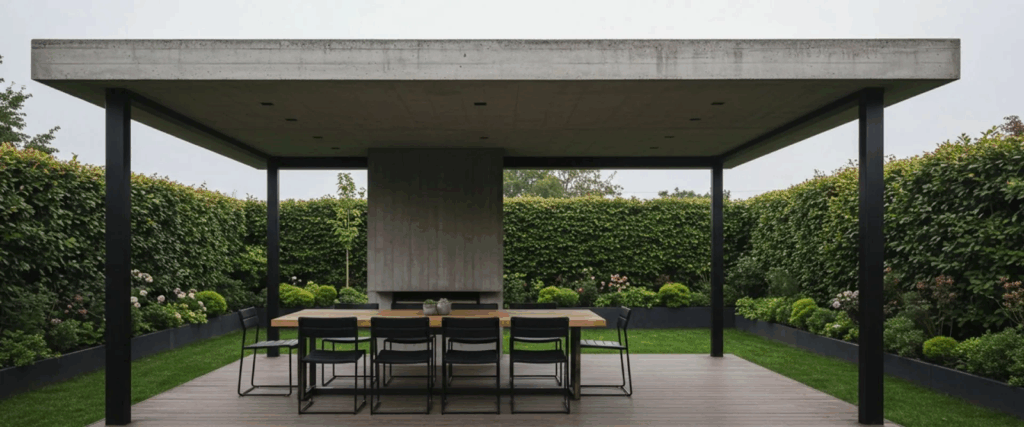
1. Contemporary Designs with Minimalist Appeal

Modern pavilion styles focus on simple looks, clean lines, and neutral colors. These pavilions look sleek and sophisticated because they use strong but simple materials like steel, glass, and weather-treated wood. They also don’t need much maintenance.

  • Idea: Choose flat roofing with recessed lighting and retractable panels for shade versatility.
  • Perfect: It is perfect for urban backyards or homes with modern architecture.

Pro Tip: Use monochrome or light wood finishes to complement a minimalist backyard landscape.

Backyard pavilion layout inspiration

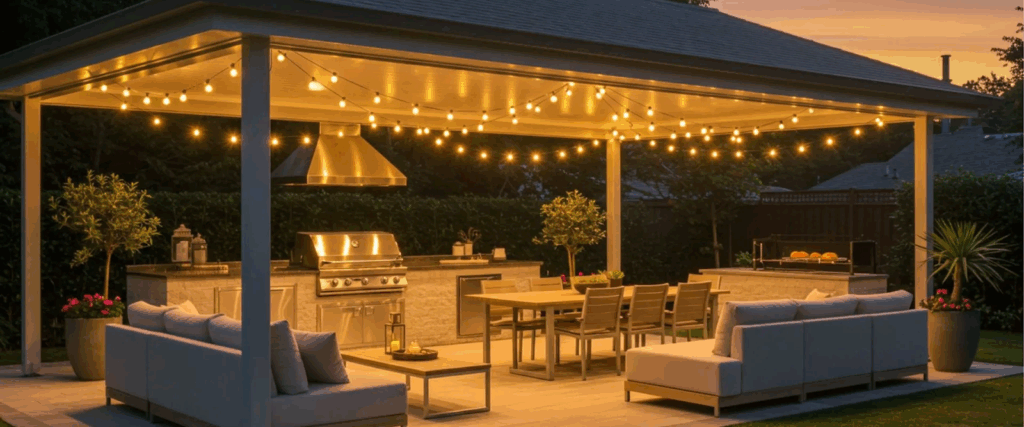
2. Multi-Purpose Pavilion Layouts

If versatility is your priority, consider pavilion layout inspiration that serves multiple functions. These design could have dining areas, comfortable sitting, and even something to do, like a fireplace or an outside TV.

  • Idea: Make a two-zone pavilion, with one area for eating and the other for relaxing. For the best use, add built-in seating or an outdoor bar.
  • Perfect: It is perfect for larger backyards where flexibility is key.
outdoor pavilion idea

3. Rustic Charm with Wooden Pavilions

For those leaning toward a cozy and natural vibe, wooden pavilions bring warmth and texture to a backyard. Choose from stained pine, cedar, or reclaimed wood to add a rustic aesthetic to your space.

  • Idea: Incorporate natural stone columns for a more earthy finish and hang string lights or lanterns to create inviting evening gatherings.
  • Perfect: It is perfect for families who enjoy hosting informal get-togethers or BBQ nights.
backyard pavilion design

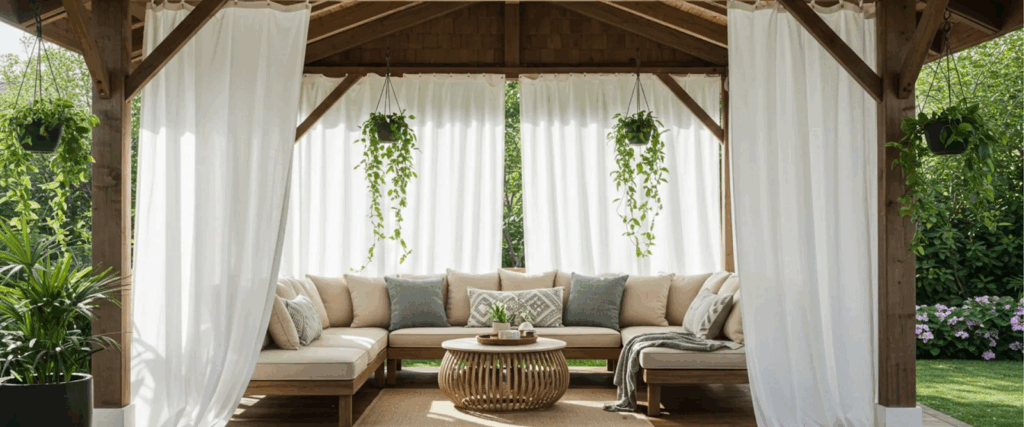
4. Open-Air Pavilions with Flowing Elegance

Look at modern pavilion styles that value openness and airflow for ideas. You can either leave the sides of your pavilion open or use sheer curtains to define the space without blocking the natural breeze.

  • Idea: Put a pergola-style roof with climbing vines on top to make it look nice and protect it from the sun.
  • Perfect: It’s great for relaxing in warm places and is great for reading or thinking quietly.
pavilion layout inspiration

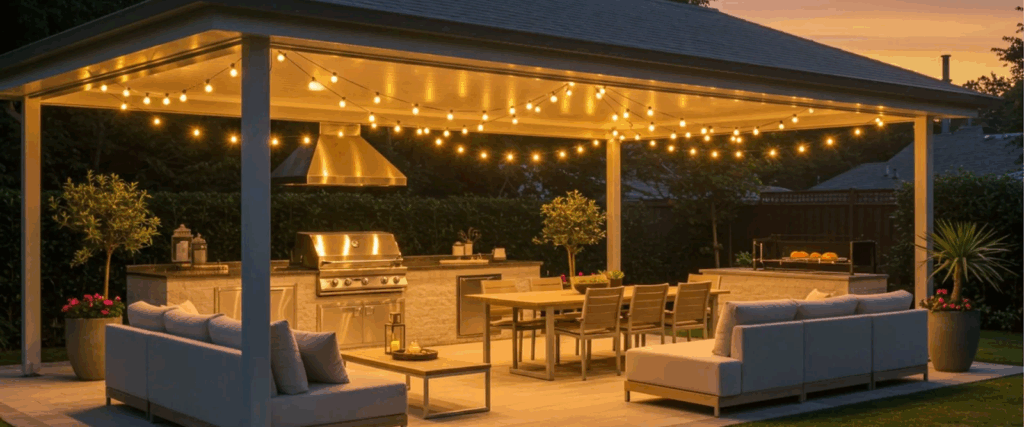
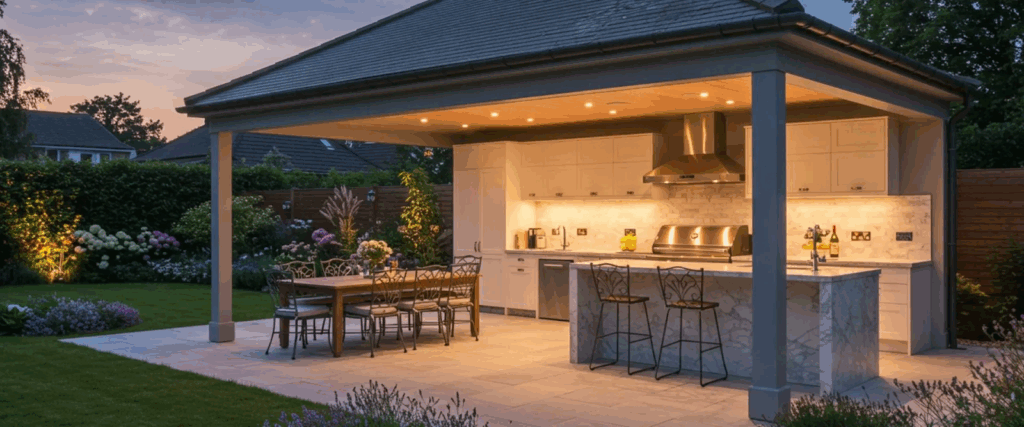
5. Pavilion with an Outdoor Kitchen

One of the most popular backyard pavilion designs these days is pairing the space with an outdoor kitchen area. This makes for a fun and active space for cooking, eating, and having fun.

  • Idea: Put a grill, a mini fridge, and a prep counter under the pavilion roof, along with a dining table so it can be used for everything.
  • Perfect: This is great for people who like to have family dinners or cookouts on the weekends.
modern pavilion styles

6. Luxury Pavilions with High-End Features

Imagine making your backyard pavilion a real luxury getaway full of high-end amenities. Add custom lighting, high-end furniture, and weatherproof speakers to make the atmosphere unforgettable.

  • Idea: Add a hot tub or water feature inside or next to the pavilion to make it feel like a spa.
  • Perfect: It’s great for homeowners who want to make their backyards comfortable and fun at the same time.
outdoor pavilion ideas

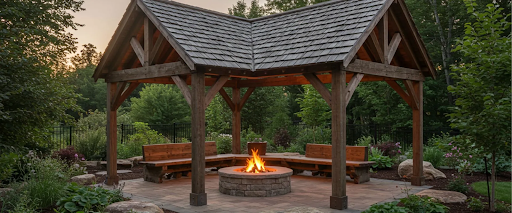
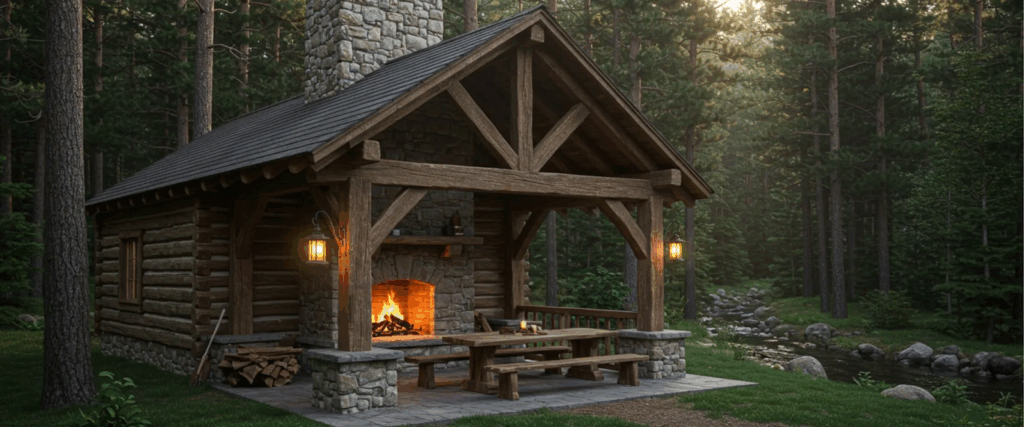
7. Rustic Cabin-Style Pavilions 

A pavilion that looks like a cozy cabin will bring the comfort of a rustic cabin to your backyard. To make a look that will last, use natural materials like rough-hewn wood, stone, and warm-toned finishes.  

  • Idea: Add a stone fireplace or fire pit to the pavilion to make it a cozy place to hang out.  
  • Perfect: This is great for people who want their outdoor space to feel calm and natural.
backyard pavilion design

8. Contemporary Minimalist Pavilions 

Choose a minimalist pavilion design with clean lines and simple architecture for a modern and sleek look. Use materials like steel, glass, and polished concrete to give your space a modern feel.  

  • Idea: Use modular furniture and built-in LED lights to keep things looking neat and tidy.  
  • Perfect: It’s great for homeowners who like modern style and usefulness.
modern pavilion styles

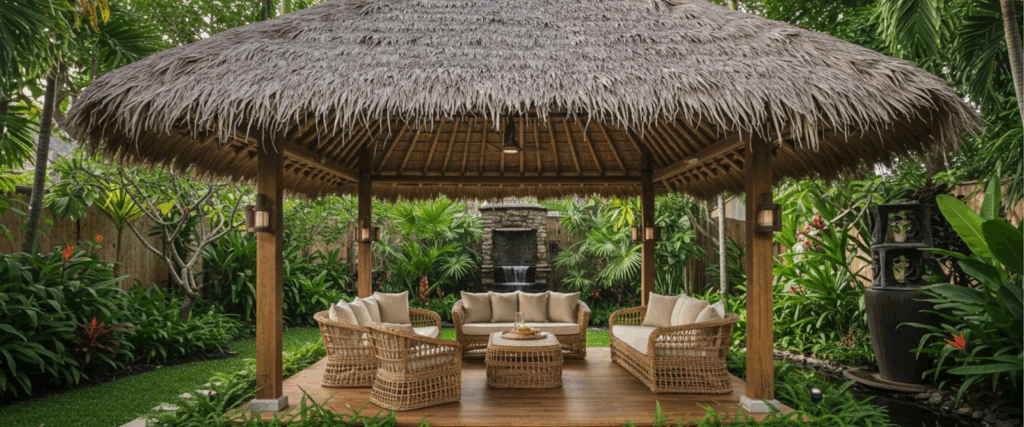
9. Tropical-Inspired Pavilions 

Add island-inspired features to your pavilion to turn your outdoor space into a tropical paradise. To finish the look, use bamboo, thatch, and rattan along with lots of plants.

  • Idea: For the best relaxation, think about adding hammocks, colorful cushions, or even a tiki bar.
  • Perfect: It’s great for anyone who wants a vacation-like atmosphere without leaving home.

How to Plan the Perfect Pavilion Layout

When planning your pavilion, keep these important steps in mind:

  1. Define the Purpose 

  Will your pavilion be a dining area, a lounging spot, or a multi-functional space? Defining its purpose helps dictate the design and layout.

  1. Pick the Right Material 

  Materials like treated wood, aluminum, and vinyl are durable for long-term use. Choose based on your style preference and maintenance needs.

  1. Location is key. 

  Place the pavilion in a spot with a great view, close to a pool or garden feature, and ensure the structure fits naturally into the backyard flow.

  1. Add Personal Touches 

  Customize the pavilion with accessories like rugs, lighting, or even heating options for chilly evenings.

      5.   Consider Weather and Shade 

 To maximize comfort, think about how your pavilion will handle different weather conditions. Add curtains or shades for sun protection, and consider installing a canopy or waterproof roof to keep the rain out.

      6. Plan for Seating and Furniture 

Choose outdoor furniture that complements the pavilion’s design and provides ample seating for your needs. Opt for outdoor materials that can withstand the elements and enhance the space with cushions or throws for added coziness.

      7. Integrate Greenery 

Incorporate plants or hanging flowers around the pavilion to blend it seamlessly with the surrounding environment. Greenery can bring a touch of nature and create a relaxing ambiance.

Why Choose Wood Kingdom West for Your Pavilion Project?

At Wood Kingdom West, we specialize in custom backyard pavilion designs tailored to your style and needs. With over 35 years of experience, our team brings craftsmanship and functionality to life, ensuring your pavilion adds lasting value to your outdoor space.

Why Us?

  • Personalized design and customization options.
  • High-quality materials built to withstand all weather conditions.
  • Professional installation by experienced craftsmen.

Transform your backyard into an oasis with a pavilion designed and installed by Wood Kingdom West. 

A Pavilion That Reflects Your Style

An outdoor pavilion is a worthwhile investment that transforms your backyard, creating a stylish and versatile retreat for years to come. Whether you’re envisioning a sleek modern design, a rustic haven, or a multi-functional entertaining space, the options are endless.

Start building your dream pavilion today with Wood Kingdom West and discover a new way to enjoy the outdoors! Schedule a Consultation

Frequently Asked Questions (FAQs)

How long does it take to build a pavilion?

It depends on the size and complexity of the design. At Wood Kingdom West, custom pavilions usually take 1–3 weeks from design to installation.

What materials are best for outdoor pavilions?

Popular choices include treated wood, aluminum, and vinyl. Each material has its own benefits depending on style, location, and maintenance needs.

Can I add lighting and fans to my pavilion?

Absolutely! Many homeowners include lighting, fans, and even heaters to make their pavilion more functional in any season.

Does a pavilion require a permit?

This varies by location. Our team at Wood Kingdom West can guide you through local regulations to ensure everything meets code.

Shed Storage Solutions for a Neater, More Functional Space

Share with:

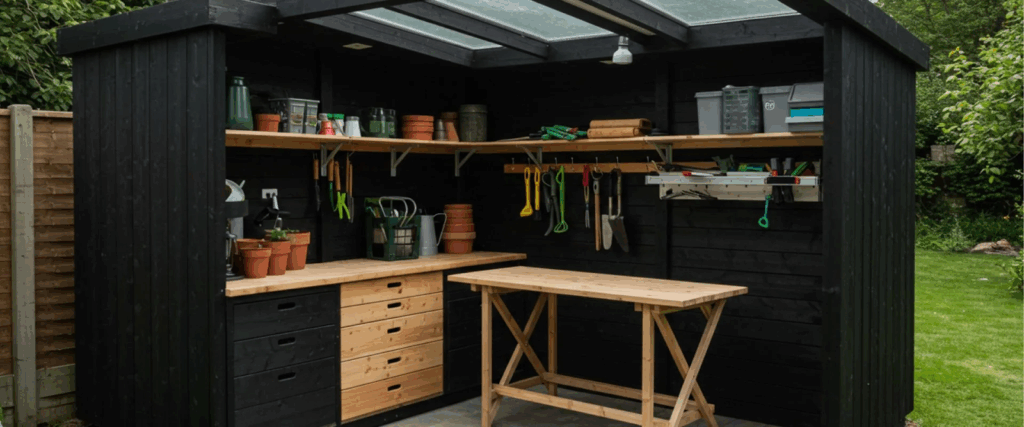
Does your shed seem more like a messy place than a well-organized one? You’re not the only one. A lot of people have trouble using their shed space well, which turns what could be a useful storage area into a messy pile of tools, seasonal items, and things they forgot about.

The good news? You can turn your shed into a neat, organized, and easy-to-reach home for all your things with the right storage solutions. Whether you’re dealing with a small shed or a spacious one, these tips will help you get organized and maximize every square inch. At Wood Kingdom West, we help homeowners create functional, clutter-free outdoor spaces. This guide will walk you through practical shed organization ideas and show you the best shed storage ideas for 2025. If your shed needs a makeover, you’ll find tips here that will help it work better for you, no matter how big it is.

Why Shed Organization Matters 

An organized shed means you won’t have to spend as much time looking for what you need and can spend more time working on your projects or enjoying your backyard. Here’s why best shed storage is important:

  • Saves Time: When you need your tools and equipment, you should know exactly where to find them.  
  • Protects Your Items: If you store your tools and other things correctly, they won’t get worn out as quickly.  
  • Improves Safety: Keeping sharp or heavy tools in order lowers the chance of getting hurt.  
  • Efficiency: When your tools and supplies are organized, your projects go more smoothly and quickly. You spend less time looking and more time doing.
  • Protection for Your Gear: Leaving tools exposed to dampness or extreme temperatures can cause rust and damage. Storing them properly in designated spots protects your investment.
  • Maximizing Space: Even a small shed can hold a surprising amount when storage is optimized. Vertical space, often overlooked, becomes a key asset.
  • Peace of Mind: A tidy space often translates to a tidier mind. Knowing your shed is in order can be surprisingly satisfying.
Best shed storage ideas

The Best Shed Storage Ideas to Maximize Space 

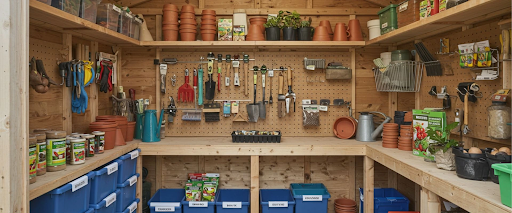
1. Install Wall-Mounted Storage Solutions 

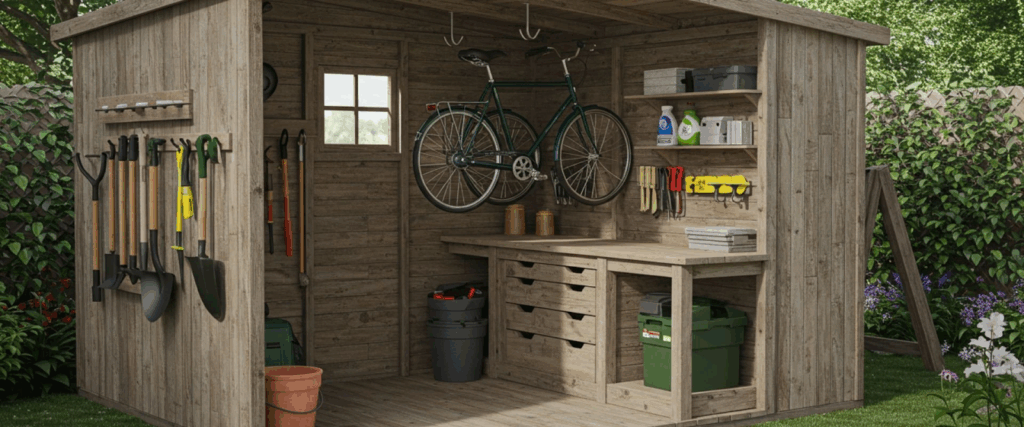
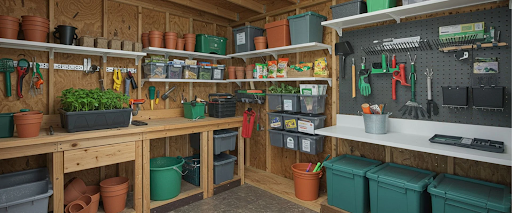
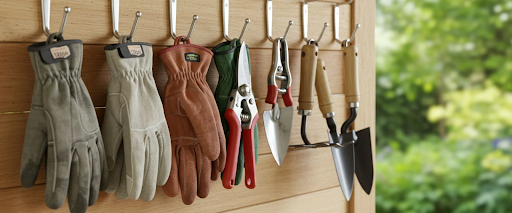
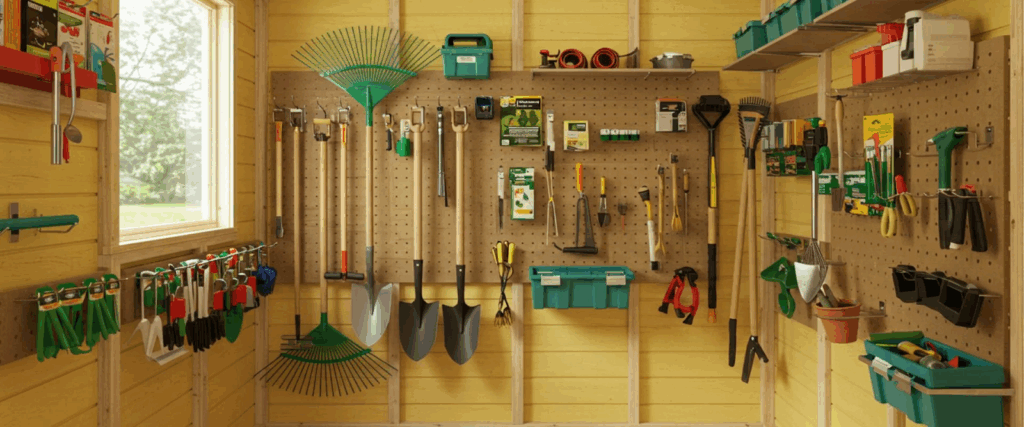
Make use of the space you have by arranging your tools in a creative way. Tools like shovels, rakes, and hand tools are best kept on shelves, pegboards, or hooks fastened to the wall.  

  • Use a pegboard system to hang smaller tools for easy access. 
  • Install wall-mounted shelves for cans of paint, pesticides, or smaller containers. 

Pro Tip: Label your pegboard spots or shelf bins to make re-organizing easy after every use. 

2. Use Vertical Space Efficiently 

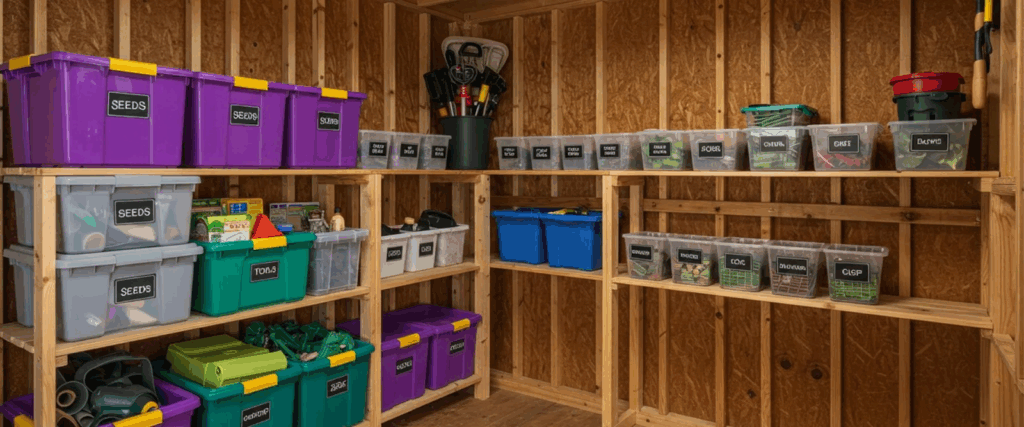
If you’re short on floor space, consider working vertically instead. Seasonal items, such as holiday decorations or sporting equipment, can be easily stored out of the way but still within reach by utilizing stacking storage bins, shelves that extend to the ceiling, or overhead racks. 

  • Things like plastic planters and sleeping bags, which are both light and heavy, work well on overhead racks.  
  • Put heavy tools or supplies on lower shelves and lighter, less often used things on higher ones for easy access.  

Small Shed Space-Saving Tip: Use clear, stackable storage bins so you can quickly see what’s inside without digging around. 

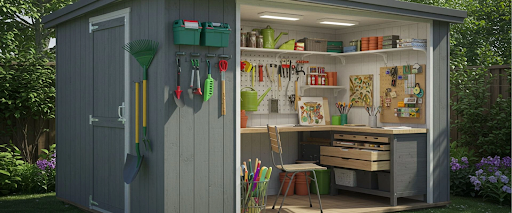
3. Build a Workstation 

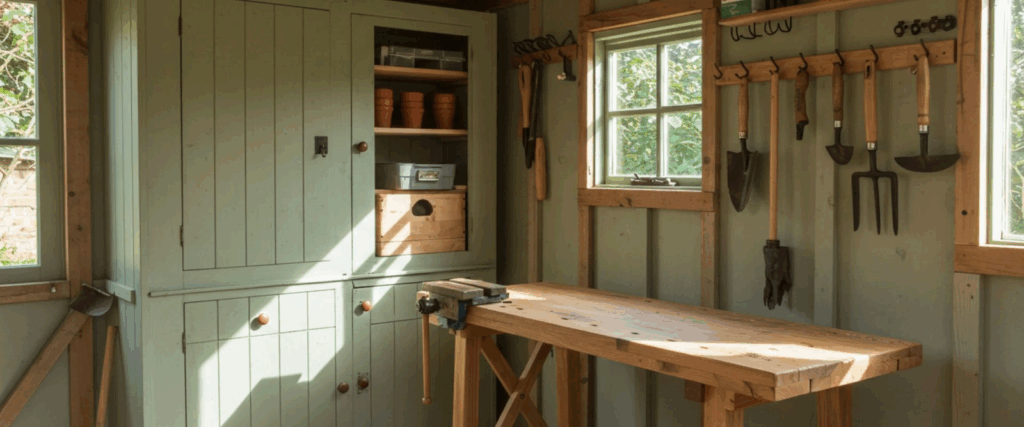
A little workbench or foldable table can be a great addition to a shed for those who utilize it for gardening or do-it-yourself projects. Choose a desk that has drawers or shelves already installed so you can keep your often used things close at hand.  

Folding workbenches are particularly useful in smaller sheds because they save space when not in use. 

4. Invest in Shed-Specific Furniture and Storage Units 

Shed organizers, such as benches for storage or little cupboards, can be a lifesaver depending on your needs. A lot of these units are little enough to fit into regular-sized sheds without crowding the inside. 

Explore options like

  • Corner shelving units to utilize often-overlooked corners. 
  • Storage benches for dual functionality (seating and storage). 

5. Create Zones 

Make use of your shed’s designated spaces for various tasks.  

  • Gardening Zone for tools, gloves, and seeds. 
  • Hardware Zone for nails, screws, and other small items. 
  • Recreational zone for sports equipment or camping gear. 

Using wire baskets, labeled bins, or separate shelving units can help keep each zone clearly defined. 

6. Install a Tool Rack or Tool Wall 

A designated area for lengthier yard tools, such as shovels, hoes, and rakes, is necessary for households who have an abundance of such tools. Keep your tools organized and out of harm’s way with a wall rack or a freestanding holder. 

7. Don’t Forget Door Storage 

Your shed door can become a highly functional part of your storage system. Installing hooks or organizers on the inside of the door is a clever way to save space. 

  • Use pockets or baskets to store small items like gardening gloves or spare hand tools. 
  • Add hooks to hang items such as garden aprons or brooms. 
Small shed space-saving tips

Small Shed Space-Saving Tips

If you have a compact shed, maximizing every inch is critical. These small shed space-saving tips will help you get the most out of your limited area:

  • Declutter Ruthlessly: Eliminate any items that are broken, unnecessary, or don’t serve a purpose before you even consider purchasing storage solutions. Trust your own judgment!
  • Think Multi-Purpose: Is it possible for a single object to have several uses? Is it possible to add drawers to the underside of a workbench?
  • Door Storage: The inside of your shed door is prime real estate. Mount slim shelves, hooks, or a pegboard section for small, frequently used items.
  • Corner Shelving: Don’t let corners go to waste. Triangular corner shelves can fit into awkward spaces and provide surprisingly useful storage.
  • Wheeled Carts or Dollies: For heavy items that you need to move frequently, put them on a wheeled cart. This makes them portable and prevents you from having to lift them repeatedly.
  • Collapsible Items: If you have items like pop-up tents or collapsible wagons, ensure they are folded down properly to take up minimal space.
Shed storage solutions

Planning Your Shed Organization Project

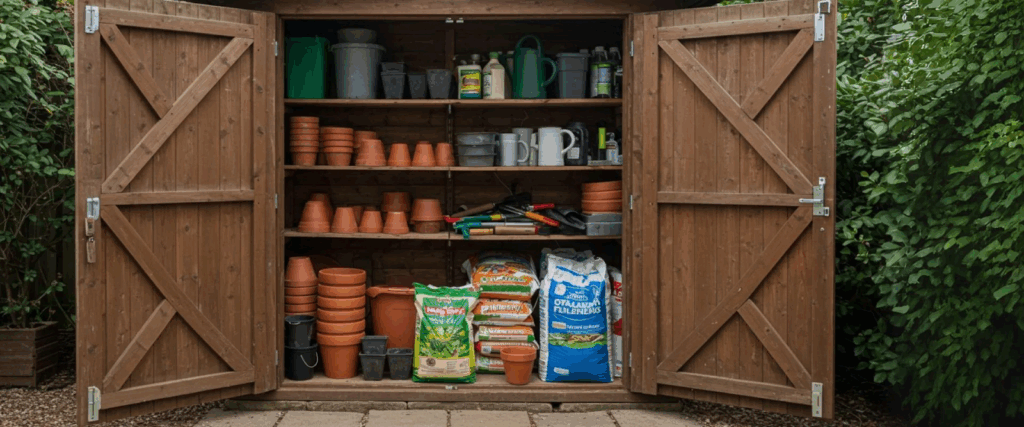
Effective shed storage solutions don’t happen by accident. A little planning goes a long way. Planning your shed organization is very important.

  1. Empty and Clean: Start with a blank slate. Remove everything from your shed and give it a good clean. Sweep out debris, dust shelves, and check for any pests or water damage.
  2. Categorize Everything: As you take items out, group them into categories: gardening tools, power tools, cleaning supplies, seasonal decor, sports equipment, etc.
  3. Purge, Purge, Purge: This is the most important step! Be honest about what you truly need and use. Donate, sell, or dispose of anything that’s broken, unused, or expired.
  4. Measure Your Space: Measure the internal dimensions of your shed—walls, height, and any existing obstacles. This will help you plan for shelving and other storage units.
  5. Visualize and Plan: Sketch out a rough layout. Where will the larger items go? What areas are best for vertical storage? Think about flow and accessibility.
  6. Invest in Quality Storage: While it’s tempting to go for the cheapest option, investing in durable, good-quality shed storage solutions will save you money and frustration in the long run.

Maintenance is Key: Once organized, make a commitment to putting things back where they belong. A quick tidy-up after each use can prevent future chaos.

Shed organization ideas

Benefits of Customizable Sheds for Storage Solutions 

While many storage hacks can transform an existing shed, sometimes your space may need an upgrade. A custom-designed shed gives you the freedom to create storage solutions that cater specifically to your needs. 

At Wood Kingdom West, we specialize in designing sheds that prioritize functionality and style. With over 35 years in the business, we’ve helped countless customers in Long Island and the Tri-State area reimagine their outdoor spaces. 

Our customizable sheds include:

  • Built-in shelves for easy organization 
  • Overhead storage options for seasonal items 
  • Lockable cabinets for added security 

Organized Shed, Organized Life 

A well-organized shed can spark joy, increase productivity, and make all your outdoor tasks far more manageable. Whether you’re dealing with a small shed or need to revamp a larger space, these shed storage solutions provide practical tips and inspiration for a functional, clutter-free area. 

Ready to take your shed to the next level? Check out our customizable sheds and start building your dream storage space with contact Wood Kingdom West today! 

FAQs About Shed Storage Solutions 

1. What’s the best way to organize a small shed? 

Start by using vertical storage like pegboards, wall-mounted shelves, and stacking bins. Prioritize frequently used items and opt for clear bins to find everything easily. 

2. How can I declutter my shed? 

Remove everything from your shed and sort items into “keep,” “donate,” and “discard” piles. Only put back what you need, and use storage systems for better organization. 

3. Are there specific storage solutions for gardening tools? 

Yes, tool racks, pegboards, wall-mounted hooks, and door organizers are ideal for storing small and large gardening tools efficiently. 

4. Can I customize a shed to make it more functional for storage? 

Absolutely. At Wood Kingdom West, you can create a custom-designed shed with built-in storage features to fit your unique needs. 

Trampoline Winter Care Tips to Keep It Safe and Long-Lasting

Share with:

For families, a trampoline is more than simply an outdoor feature; it’s an opportunity to get some exercise, have a good time, and make lasting memories. However, as winter approaches, your trampoline may suffer damage from the cold, heavy snow, and ice conditions, which can shorten its lifespan and compromise its safety.

Fortunately, with a little preparation and the right winter care techniques, you can protect your trampoline and keep it in top condition for years to come. This guide will walk you through essential trampoline winter care tips and reveal how to winterize a trampoline to make sure it survives the cold months without damage. At Wood Kingdom West, we believe in helping you maintain your outdoor equipment so you can enjoy it safely for years to come.

Trampoline maintenance in winter

Why Is Trampoline Winter Care Important?

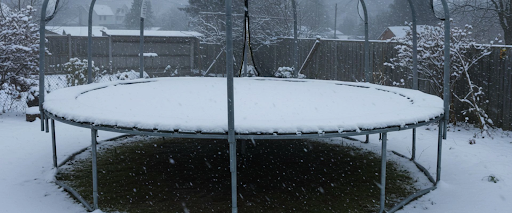
Trampolines can be damaged by the harsh winter weather. Conditions such as snow and ice might impede the jumping mat’s stability, weaken the springs, and corrode the metal frame. Parts could become more fragile and easily broken when exposed to cold temperatures. Repairs or a replacement may be necessary if these problems are not addressed.

Proper trampoline maintenance in winter not only protects your investment but also ensures a safe and clean environment for your family. You can make your trampoline last longer and have more fun jumping on it when spring comes around if you follow some safety measures. This is why it’s an essential stage:

  • Preventing Material Degradation: Over time, the jumping mat and safety cushion might be damaged by the sun’s UV rays. However, winter weather presents much greater difficulties. Fabric and plastic parts can become fragile and break after repeated freezing and thawing. The added mass of snow and ice could cause the springs to expand and the frame to distort because of the added weight.
  • Protecting Against Rust: Without adequate protection, metal parts such as the frame and springs can rust over time when exposed to wet weather. When trampoline metal rusts, it becomes unsafe to use.
  • Avoiding Wind Damage: When the wind picks up, an unattended trampoline becomes a potentially lethal projectile that could land on your house or the houses of your neighbors. To lessen the likelihood of this happening, disassemble or securely anchor the trampoline.
  • Extending Lifespan: Proper trampoline maintenance in winter significantly extends the overall lifespan of your trampoline. Think of it as preventative medicine for your outdoor fun.
  • Ensuring Safety: Serious injuries might occur from broken springs, a ripped mat, or a weak structure. When the jumping season starts up again, winterizing helps make sure everything is in good functioning order.
  • Saving Money: Repairing or replacing a weather-damaged trampoline can be expensive. A little effort in trampoline winter care can save you a lot of money in the long run.

How to Winterize a Trampoline in 6 Simple Steps

The process of preparing your trampoline for winterization need not be daunting. Here are six easy ways to get it ready for winter:

1. Clean Your Trampoline Thoroughly

Clean the jumping pad and frame of any dirt, twigs, or leaves.

  • Remove debris like leaves, twigs, and dirt from the jumping mat and frame.
  • Use a mild soap and water mixture to clean the surface, and make sure it’s completely dry afterward to prevent mold or mildew.
  • Inspect the springs and frame for any signs of rust or wear, and consider using a rust-resistant spray on the metal parts.

2. Choose Your Winter Care Strategy

Depending on the climate where you live, there are essentially two winter trampoline maintenance options:

  • If you live in an area with mild winters, you can leave your trampoline assembled but must take steps to protect it
  • If you experience harsh winters with heavy snow and freezing temperatures, disassembling your trampoline is strongly recommended.

3. Protect Your Trampoline with a Cover

Protect your trampoline and its accessories from light snow, rain, and frost with a cover in areas where winters are mild. To make sure the cover fits snugly, search for a high-quality, waterproof option that is made especially for trampolines. Preventing water from collecting on the mat and debris from landing on your trampoline, this protective covering is an absolute must.

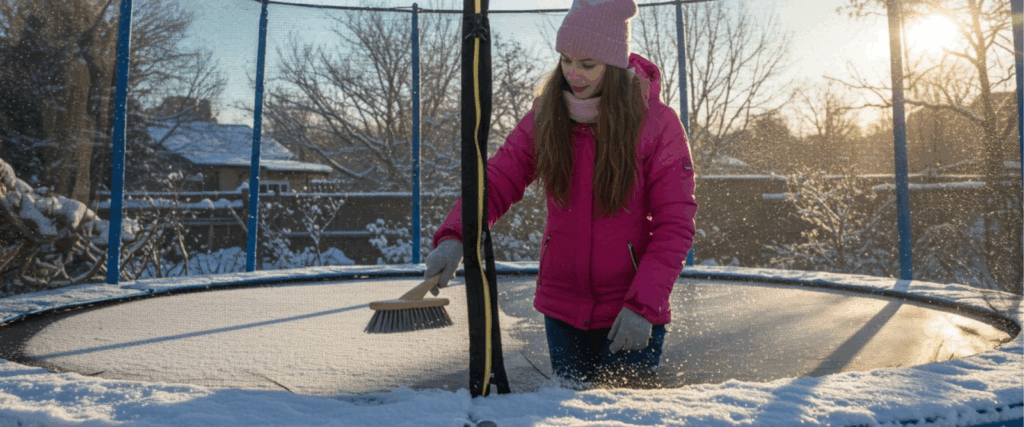
Pro Tip: Remove snow from the cover on a regular basis to keep the springs and mat from being damaged by extra weight.

4. Disassemble for Harsh Winters

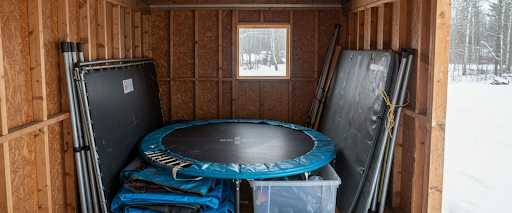
Take down your trampoline before a heavy snowfall if you live in that location. Just do as instructed.

  • Remove the jumping mat, safety net, and poles.
  • Store the components in a cool, dry place like a garage or shed.
  • Wrap the springs and frame with protective material, such as a tarp or sheet, to prevent rust.

While taking the in-ground trampoline apart might be a pain, it will save you a ton of work when spring rolls around and keep it in perfect shape.

5. Inspect Regularly

Even during winter, it’s essential to check on your trampoline periodically. Keep an eye out for:

  • Snow buildup on trampolines left assembled with a cover.
  • Rust or signs of wear on stored parts.
  • Any pest or rodent activity near stored components.

Regular inspections will help you address small issues before they grow into major problems.

6. Reassemble and Prep for Spring

When winter ends and warmer weather returns:

  • Reassemble your trampoline by carefully following the manufacturer’s instructions.
  • Check all parts for wear and tear, replacing any damaged components.
  • Give everything a quick clean to remove dust or debris before use.
Winter trampoline care

Additional Tips for Comprehensive Trampoline Maintenance in Winter

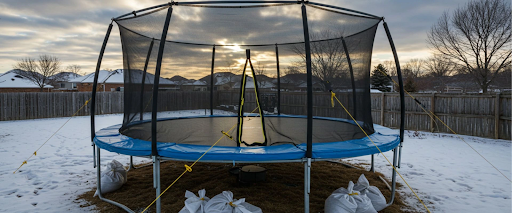
  • Secure the Frame: If you leave your trampoline outdoors, wind stakes can hold it securely in place to prevent tipping or blowing over.
  • Trim Nearby Trees: Overhanging branches can drop leaves, sap, or even fall onto your trampoline during storms.
  • Lubricate Moving Parts: Use a silicone-based lubricant on springs and joints to prevent rust and ensure smooth functioning.
How to winterize a trampoline

Trampoline Maintenance in Winter: What to Avoid

Even with the best intentions for trampoline winter care, some actions can actually do more harm than good.

  • Don’t Jump on a Frozen Trampoline: Never allow anyone to jump on the trampoline when the mat or springs are covered in snow or ice or are frozen. This is incredibly dangerous and can lead to serious injury or severe damage to the mat and springs. The mat becomes rigid and loses its bounce, and the springs can snap.
  • Don’t Use Sharp Objects to Remove Snow/Ice: Avoid using shovels, rakes, or other sharp tools to clear snow or ice from the mat. You risk puncturing or tearing the mat, which can be expensive to replace.
  • Don’t Use Salt or De-icers: Chemical de-icers can be corrosive and damage the trampoline materials, especially the metal frame and springs. Stick to gently sweeping or brushing off snow.
  • Don’t Leave It Uncovered (If Left Out): If you opt for partial dismantling and leave the frame/mat out, a cover is non-negotiable. Direct exposure to winter elements will accelerate wear and tear.
  • Don’t Forget to Check Anchors: If you’ve anchored your trampoline, periodically check that the anchors are still firmly in the ground, especially after heavy rains or strong winds.

Why Partner with Wood Kingdom West?

For families across Long Island and the Tri-State area, Wood Kingdom West offers high-quality trampolines built to withstand outdoor elements all year long. With over 35 years of experience, we specialize in outdoor products designed to last.

Our expert team can guide you through trampoline maintenance and help you find covers, rust sprays, and more to protect your investment during the winter months. 

Enjoy Year-Round Fun with a Well-Protected Trampoline

Caring for your trampoline in winter might seem like extra effort, but it pays off in the long run. From cleaning and covering to proper disassembly, these simple trampoline winter care tips will ensure that your trampoline remains safe, beautiful, and high-performing for years to come.

Looking for the perfect trampoline or advice from the experts? Contact Wood Kingdom West for a range of durable, family-friendly trampolines and discover more helpful guides on backyard maintenance.

FAQs About Trampoline Winter Care

Q1. Can I leave my trampoline outside during winter? 

Yes, but only if you take proper precautions like using a weather-resistant cover and brushing off snow. For areas with harsh winters, disassembling the trampoline is best.

Q2. How do I prevent my trampoline springs from rusting? 

Clean and dry the springs thoroughly before winter. Use a rust-resistant spray and cover the trampoline to protect it from moisture.

Q3. Are trampoline covers worth it? 

Absolutely! A high-quality cover helps shield your trampoline from rain, snow, and dirt, reducing wear and tear during the winter.

Q4. How much weight can snow add to a trampoline? 

Even light snow can add significant weight. It’s crucial to brush snow off your trampoline regularly to avoid stretching or tearing the mat and springs.

Q5. When should I reassemble my trampoline after winter? 

Wait until the last frost of the season has passed, typically in early spring. Inspect and clean all parts before reassembly for optimal performance.

Shed Organization Ideas for Maximum Space

Share with:

You can be a gardening enthusiast, a DIY expert, or just someone who has a lot of equipment in their backyard shed. You can still be organized. A well-organized shed turns turmoil into quiet efficiency, so you can find what you need without having to look for it frantically.

This guide will walk you through practical and creative shed organization ideas to maximize your shed’s space. Plus, we’ll introduce solutions that make the process easier, including tips on custom shed designs from trusted providers like Wood Kingdom West.

Benefits of an Organized Shed

Before we go into the details of shed organization ideas, let’s talk about some good reasons to clean up your outdoor structures:

  1. Saves Time 

 You won’t have to search through mounds of tools and equipment anymore when you need anything right away.

  1. Maximizes Space 

  Smart storage solutions can make even the smallest shed feel spacious.

  1. Extends the Lifespan of Tools 

Proper storage reduces exposure to the elements and extends the life of your tools, especially important for outdoor play equipment, lawn gear, and sports items.

  1. Creates a Functional Space 

An orderly shed facilitates various activities, such as gardening, woodworking, storing items, or undertaking DIY projects like building a custom kids’ playhouse.

Shed Organization Ideas Worth Trying

Here are some of the most effective shed organization ideas for transforming your space:

Benefits of outdoor classrooms, outdoor learning advantages, nature-based education

1. Declutter First 

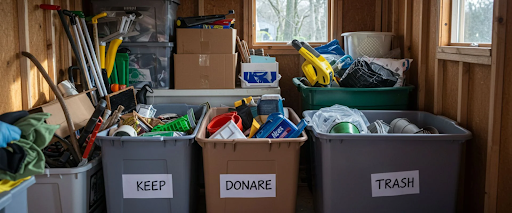
Before you start organizing, take everything out of your shed. Look at each object and put it into one of three groups:

  • Keep: Essentials you regularly use.
  • Donate: Items in good condition but not useful to you.
  • Discard: Broken, rusted, or damaged items beyond repair.

This step sets the stage for an environment that is clear and works well.

Benefits of outdoor classrooms, kids outdoor classroom benefits, outdoor learning advantages

2. Plan Your Shed Layout 

A smart garden shed layout is key to remaining organized over time. To make the most of functionality:

  • Put things that are alike together, such as power tools, gardening tools, and paint materials.
  • Make “zones” in your space for different activities, like gardening or fixing things.
  • Plan out where each group will be located.
Outdoor learning advantages, benefits of outdoor classrooms, kids outdoor classroom benefits

3. Install Wall-Mounted Storage 

Use hooks, pegboards, and shelves to make the most of vertical space.  

  • You can hang tools like hammers, wrenches, and gardening tools on pegboards. 
  • Use hooks to hang things like outdoor hoses and extension cords.
  • Choose shelves with adjustable heights so that you may store things of different sizes.

This method frees up floor space while keeping tools in plain sight so they are easy to get to.

Nature-based education, outdoor learning advantages, benefits of outdoor classrooms

4. Utilize Ceiling Storage 

Use your unused ceiling space in a unique way! Overhead racks and hoists are great for things you only use once in a while or that are only needed for a short time, like

  • Ladders 
  • Sports equipment 
  • Camping gear 

To avoid mishaps, be careful about weight limitations.

Kids outdoor classroom benefits, nature-based education, outdoor learning advantages

5. Invest in Storage Containers and Bins

Containers are essential important for keeping small things organized and together.

  • Clear Bins: Use clear plastic containers with lids to store things like birdseed, fertilizers, or small hardware. Seeing what’s inside saves time and trouble. Adding labels to these containers makes them much more useful.
  • Toolboxes and Caddies: Put your most used hand tools in a portable toolbox or caddy so you can simply take them to where you need to work.
  • Buckets and Totes: Large buckets can store coiled hoses or bags of soil, while sturdy totes are ideal for larger power tools or gardening gloves.
  • Drawer Units: A compact drawer unit can be great for keeping nails, screws, washers, and other little things in order if you have the room.
Outdoor learning advantages, benefits of outdoor classrooms, kids outdoor classroom benefits

6. Optimize Door Storage 

Don’t overlook the inside of your shed door or available wall space for extra storage.

  • Door Organizers: You can store little things like seed packets, gloves, twine, or pest control sprays on shallow shelves, mesh pockets, or small bins that you attach to the inside of the shed door.
  • Magnetic Strips: Put magnetic strips on a wall to keep metal objects like paintbrushes, small hand tools, and drill bits in place. This keeps them in sight and stops them from becoming lost in drawers.
  • PVC Pipe Organizers: Put magnetic strips on a wall to keep metal objects like paintbrushes, small hand tools, and drill bits in place. This keeps them in sight and stops them from becoming lost in drawers.
Benefits of outdoor classrooms, nature-based education, kids outdoor classroom benefits

7. Custom-Built Sheds for Maximum Functionality 

If your present shed layout makes it hard to keep things organized, you might want to think about getting a custom-built shed that meets your needs. Wood Kingdom West in Long Island is one of the companies that offers personalized solutions.

  • Built-in Workbench: A workstation with shelves or drawers built in gives you a place to work and store things at the same time.
  • Custom Tool Holders: Design and build holders specifically for odd-shaped tools that don’t fit well on standard hooks like swing sets or larger gear.
  • Pull-Out Trays/Shelves: For deeper sheds, pull-out trays or shelves make it easier to access items stored at the back without having to remove everything in front.

Garden Shed Layout Tips for Efficiency

Designing an effective garden shed layout is about creating a logical flow and ensuring easy access to what you need most often.

  • High-Frequency Items at Eye Level: Store tools and supplies you use daily or weekly at eye level or within easy reach.
  • Heavy Items Low and Secure: Store heavy bags of soil, fertilizers, or power tools on lower shelves or on the floor to prevent accidents and make them easier to lift.
  • Seasonal Items Out of the Way: Store items you only use a few times a year (e.g., snow shovels in summer, holiday decorations) on higher shelves or in less accessible areas.
  • Group Similar Items: Keep all gardening chemicals together, all hand tools together, all power tools together, etc. This makes it easier to find what you need and put it back.
  • Consider a zone system: As mentioned, creating distinct zones for gardening, repairs, or general storage can greatly improve flow and prevent mix-ups.

Bonus Tips to Stay Organized 

Keeping your shed tidy isn’t just a one-time project. Here are tips to maintain your space over time:

  • Label Everything Clearly: Use waterproof labels for bins, boxes, and shelves to make it easy to locate and return items to their designated spots. This small step saves time and reduces clutter. 
  • Utilize Wall Space: Install pegboards, hooks, or magnetic strips on the walls to hang tools, gardening equipment, and other smaller items. Maximizing vertical space helps free up the floor area. 
  • Create Zones for Specific Items: Group similar items together, such as gardening tools, holiday decorations, or DIY supplies. Having dedicated zones ensures everything has a place and makes retrieval more efficient. 
  • Rotate Seasonal Items: Store items you frequently use within reach and rotate seasonal items based on the time of year. For instance, keep snow shovels handy in winter and store summer gear towards the back. 
  • Regularly Declutter: Schedule time every few months for a quick shed clean-up. Discard broken or unused items and reassess storage needs to keep your space functional and organized. 
  • Invest in Storage Solutions: Use stackable bins, adjustable shelving, or clear containers to maximize space and maintain visibility of stored items. Durable and weather-resistant containers are crucial for outdoor sheds. 
  • Maintain Lighting and Accessibility: Ensure your shed is well-lit and easy to access. Adequate lighting not only improves visibility but also boosts the usability of the space during evening hours.

Why Choose a Wood Kingdom West Custom Shed?

If you’re thinking of upgrading or replacing your backyard shed, consider Wood Kingdom West. Here’s what sets them apart:

  • Custom Design Options: Use their virtual shed builder to create a design tailored to your storage needs. 
  • Durable Construction: High-quality materials ensure your shed withstands the Long Island climate. 
  • Professional Installation: Expert installers deliver and set up your shed quickly and efficiently. 
  • Over 35 Years of Experience: Trusted by homeowners and businesses across the Tri-State area. 

Create your dream storage solution today with Wood Kingdom West.

Final Thoughts on Shed Organization Ideas

A well-organized shed isn’t just about tidiness; it’s about creating a functional and stress-free environment that enhances productivity. By following these shed organization ideas, you’ll unlock the full potential of your space while maintaining an orderly layout.

Need a custom solution to take your storage game to the next level? Contact Wood Kingdom West to explore high-quality sheds designed with organization in mind.

FAQ About Shed Organization

1. What size shed is ideal for organizing garden tools? 

A small-to-medium shed (e.g., 8×10 feet) works well for most homeowners with basic equipment. Opt for a larger size if you need to store multiple large items, like lawnmowers or bicycles. 

2. How do I prevent moisture damage in my shed? 

  • Install ventilation to reduce humidity.
  • Use moisture-absorbing products like silica gel or charcoal.
  • Place tools on elevated racks to avoid contact with potential water leaks.

3. Can I retrofit my existing shed with custom storage solutions? 

Absolutely! Many companies, including Wood Kingdom West, offer retrofitting options to add shelves, hooks, and compartments to transform any shed into an organizational powerhouse.

7 Benefits of Outdoor Classrooms for Kids

Share with:

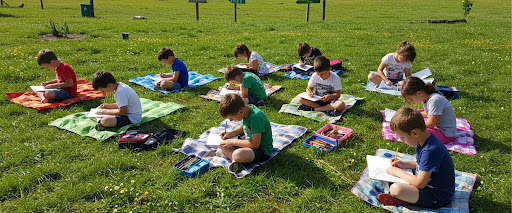
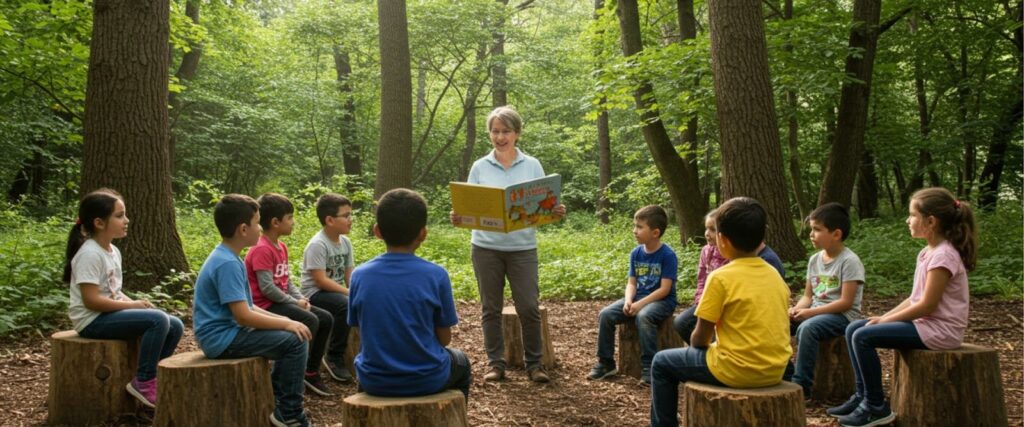
Outdoor classrooms go beyond the usual four walls and give kids a fresh way to learn based on nature and hands-on activities. As education changes, many schools and families are looking for new approaches to improve learning. Outdoor classrooms are not just a fad; they are a new way to learn. 

Understanding the benefits of outdoor classrooms can change how you think about places where people learn, whether you are a parent, teacher, or administrator. This article explores seven key benefits of outdoor classrooms that are changing education for the better, supported by the expertise of companies like Wood King West, which helps create engaging outdoor learning spaces.

What is an outdoor classroom? 

An outdoor classroom is a place in nature where kids can learn, play, and explore. These areas are meant to have natural materials, things that people can engage with, and plenty of room for creativity. Outdoor classrooms can be as simple as a little garden or as complex as big, well-organized learning spaces with seating places that are beneficial for the environment. 

Small outdoor setups, such as swing sets, playhouses, or interactive playgrounds (like those from Wood Kingdom West), can serve as backdrops for robust outdoor education for kids in neighborhoods or schools. 

Benefits of outdoor classrooms, kids outdoor classroom benefits, outdoor learning advantages

Benefits of Outdoor Classrooms for Kids

7 important benefits of outdoor classrooms that are making education better are discussed in this article. Organizations’ knowledge supports these benefits, contributing to the enjoyment of outdoor learning environments.

1. Boosts Creativity and Imagination 

One of the core kids’ outdoor classroom benefits is the enhancement of creativity. Nature inherently sparks imagination. Outdoor settings are always changing because of the weather, the seasons, and the time of day. Such an environment is different from traditional indoor classrooms, which have permanent walls and limited resources.

Logs can be anything, like a spaceship, and leaves can be paint supplies. This natural variation inspires children to think creatively and aids in their problem-solving skills. The benefits of an outdoor classroom for kids include encouraging them to design their own games, negotiate roles, and collaboratively develop storylines. This process not only nurtures individual creativity but also strengthens social-emotional skills like negotiation, compromise, and empathy. When children are given the freedom to explore and create in a natural setting, their imaginations are allowed to flourish unhindered, leading to more original thought and problem-solving abilities.

2. Encourage hands-on learning. 

Kids can interact with their surroundings in a direct way when they are outside. Instead of just reading about how plants grow, kids can plant seeds, water them, and watch how they change over time.

Kids learn better when they do things with their hands because they are more involved in their education. This kind of learning is extremely helpful for science, geography, and environmental education. Studies have shown that children who spend more time learning outdoors exhibit improved concentration, attention spans, and problem-solving skills. The dynamic nature of outdoor environments, with their constant changes and unpredictable elements, encourages critical thinking and adaptability. For instance, watching wildlife, understanding weather patterns, or designing a natural fort all require observation, analysis, and creative solutions. 

3. Improves Physical Health 

Outdoor classrooms encourage movement. Kids are considerably more active outside than they are when they sit at a desk. They can run around, dig in the dirt, or climb a tree.

This physical activity boosts cardiovascular health, builds stronger muscles, and enhances gross motor skills. Additionally, time spent outside exposes children to sunlight, leading to increased levels of vitamin D. The fresh air found in outdoor learning spaces also contributes to better respiratory health, reducing exposure to indoor allergens and pollutants that can exacerbate conditions like asthma. This constant, gentle engagement with the physical world fosters a foundation of health and vitality that can last a lifetime.

The benefits go beyond only physical well-being. Kids also feel better after moving around during the day, which helps them stay focused and attentive during “sit-down” learning moments that come next. 

4. Reduces stress and anxiety. 

Nature has a calming effect. When kids spend time outdoors, levels of the stress hormone cortisol are reduced. Outdoor spaces provide a break from the overly stimulating environments of indoor classrooms filled with buzzing technology, fluorescent lighting, and rigid seating. 

A nature-based education fosters mindfulness, enabling kids to learn how to self-regulate their emotions. This improved emotional state has a direct impact on learning. When children are less stressed and more at ease, they are better able to focus, absorb information, and engage positively with their peers and educators. The inherent joy and wonder of outdoor exploration contribute to a more positive overall school experience, fostering a love for learning that extends beyond academic achievements. 

Nature-based education, benefits of outdoor classrooms, outdoor learning advantages

5. Inspires Teamwork 

Outdoor activities often make pupils work together. For instance, in an outdoor classroom, a group activity could be to plan a little garden or build a fort to play in. To do these jobs, you need to talk and work together. 

Kids learn important life skills like how to negotiate, make deals, and settle disagreements through these activities.

6. Improves cognitive skills and focus 

Prolonged periods in nature have been associated with sharper cognitive function and improved attention spans. Outdoor classrooms foster experiential learning, which activates multiple senses simultaneously, leading to deeper comprehension. 

For children who struggle with attention in traditional classrooms (e.g., those with ADHD), outdoor learning provides an environment where they can focus better due to reduced distractions and movement-friendly settings. 

7. Promotes Environmental Awareness 

Lastly, one of the most impactful outdoor learning advantages is fostering a deeper connection to nature. Teaching sustainability, recycling, and conservation becomes much more effective when done in an outdoor setting. 

Kids who grow up learning and playing in natural environments are more likely to grow into environmentally conscious adults. Outdoor classrooms lay the foundation for a generation of eco-minded individuals ready to care for the planet. 

Consider installing eco-friendly play equipment like wooden swing sets and sheds to make your outdoor space aligned with sustainability. 

Outdoor learning advantages, nature-based education, benefits of outdoor classrooms

How We Can Help 

Creating an outdoor classroom doesn’t have to be complicated. Building play areas or incorporating nature-based equipment can aid educators in guiding kids toward meaningful experiences. At Wood Kingdom West, we specialize in customized outdoor solutions—from swing sets to gazebos and beyond. 

Whether you’re a school administrator looking to revamp your campus or a family wanting to create a backyard learning space, our team can help you design and install outdoor setups tailored to your needs. 

The Future of Learning is Outdoors. 

With significant advantages ranging from cognitive development to emotional balance, outdoor classrooms are a must-have for modern education. By integrating natural learning spaces, we’re giving kids the tools to thrive in every area of life. 

Want to create a customized outdoor classroom for your school or backyard? Discuss your vision with our experts at Wood Kingdom West. We’ll help you bring your ideas to life!

FAQs About Outdoor Classrooms 

What are the best activities for outdoor classrooms? 

Outdoor classrooms can include gardening, nature walks, creative storytelling, art projects using natural elements, and group science experiments. The activities should be dynamic and interactive to keep students engaged. 

How do outdoor classrooms improve emotional well-being? 

Outdoor classrooms reduce stress and anxiety by exposing kids to fresh air, greenery, and natural sunlight. This connection with nature fosters relaxation and emotional balance. 

Do outdoor classrooms work for all age groups? 

Yes! While designs and activities may need to be age-appropriate, outdoor classrooms can benefit children of all ages, from preschoolers to teenagers. 

What materials are required to establish an outdoor classroom? 

You can start with simple items, such as benches, tables, gardening tools, chalkboards, and interactive elements like swings or climbing structures. Custom playhouses or pergolas can elevate the experience. 

How can I start small when creating an outdoor classroom? 

Begin with a single element, such as a garden patch or small playhouse, and build from there. Adding features like wood benches or a sensory path can gradually transform the space.

Easy Deck Maintenance Tips for Homeowners

Share with:

A well-maintained deck can transform your outdoor space into a cozy retreat or the perfect spot for entertaining guests. However, letting dirt, moisture, and general wear take their toll can risk your deck’s longevity and appearance. The good news? It’s easier than you think to keep your deck in great condition with a little regular care.

This article will guide you through the best deck maintenance tips to protect your investment, improve your deck’s appearance, and create a space you’ll enjoy for years to come. For expert assistance with all your outdoor living needs, including decking solutions by professionals like Wood Kingdom West

Why Deck Maintenance is Important

Your deck braves the elements year-round, so it’s no surprise that daily use and weather conditions can cause wear and tear on the wood or composite material. Without regular maintenance, your deck’s integrity, safety, and style can be compromised. Here’s why upkeep matters:

  • Prevent Structural Damage: Regular maintenance helps identify issues like rot, mold, or warping early on. Addressing these problems promptly can prevent costly repairs and ensure your deck remains safe and sturdy.
  • Extend Lifespan: By cleaning, sealing, and repairing your deck as needed, you can significantly extend its lifespan, ensuring your investment stands the test of time.
  • Enhance Appearance: A well-maintained deck looks more inviting and adds to the overall aesthetic appeal of your outdoor space. Routine cleaning and refinishing can keep your deck looking fresh and vibrant.
  • Improve Safety: Maintenance prevents hazards such as loose boards, protruding nails, or slippery surfaces, creating a safer environment for you and your family to enjoy.
  • Increase Property Value: A well-kept deck is a desirable feature for potential homebuyers. Proper maintenance can help maintain or even increase your property value.
Wood deck care, deck maintenance, deck maintenance tips

7 Step-by-Step Deck Maintenance Tips

1. Inspect Your Deck Regularly

Step outside and give your deck a thorough inspection at least once a season.

  • Check for loose nails, screws, or boards and secure them as needed.
  • Look for signs of rot, mold, or mildew, especially on wood decks. Black spots or greenish growth are telltale signs.
  • Check the structural stability of railings and stairs for wobbling or damage.

Repairing small issues now can help avoid larger, more expensive ones later.

2. Keep It Clean

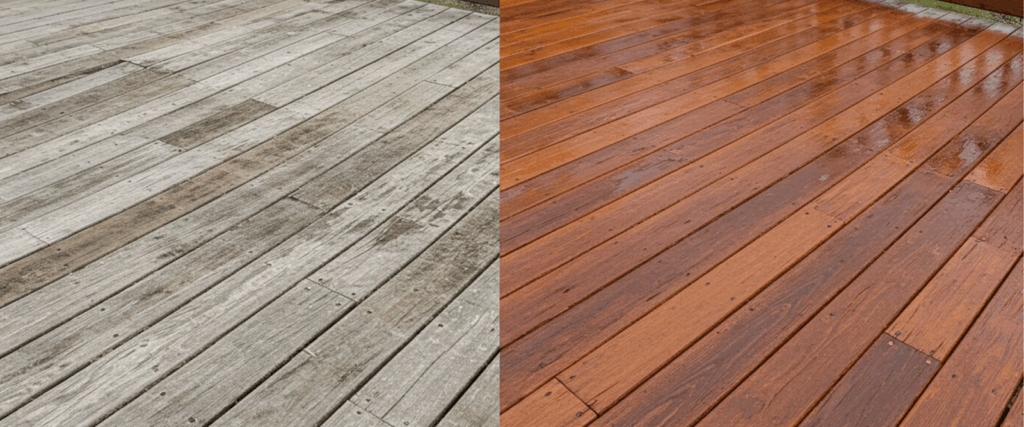
Regular cleaning is essential to prevent dirt, debris, and moisture build-up. This is a crucial step in backyard deck cleaning. A thorough cleaning removes built-up grime, mildew, and stains, preparing the wood for sealing or staining.

  • Sweep away leaves, dirt, and pine needles at least once a week.
  • Wash your deck with a garden hose or pressure washer to remove dirt and grime. Avoid using a too-powerful pressure setting, especially on wood, as it can cause damage.
  • Use a mild, wood-safe cleaning solution or a vinegar and water mix for stubborn stains.

Don’t forget to clean between the deck boards to avoid trapped debris that can hold moisture and promote rot.

Backyard deck cleaning, deck maintenance tips, wood deck care

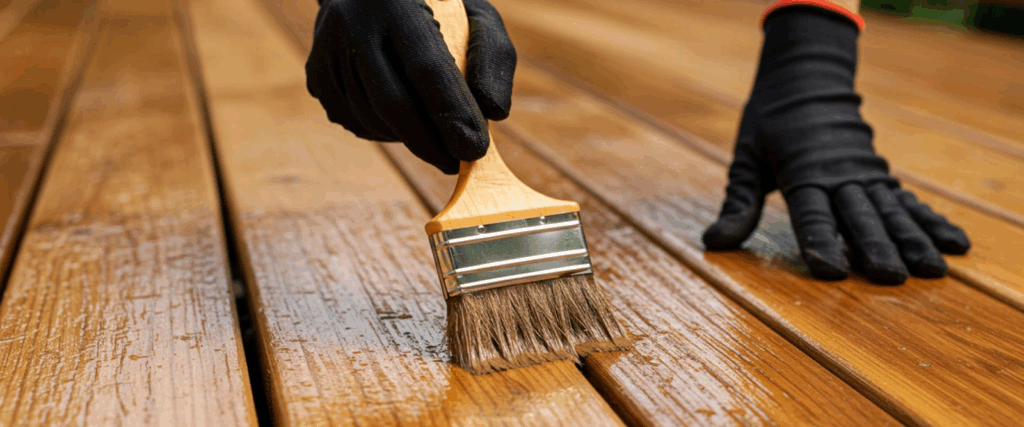
3. Seal, Stain, or Paint Your Deck

If you own a wood deck, regular sealing, staining, or painting is crucial for protection.

  • Sealers protect the wood from moisture while allowing its natural beauty to shine through. Reapply annually.
  • Stains add color to the wood while offering UV protection. Solid stains work better if your deck is older or heavily weathered.
  • Paint provides full coverage and protection but can peel over time if not applied and maintained properly.

Ensure your deck is clean and dry before applying sealants or stains. This is especially important for decks connected to outdoor poly kitchens & cabinets, where food spills can be frequent.

4. Protect Against Moisture

Wood decks are particularly vulnerable to water damage, so try these preventive tips:

  • Ensure proper drainage by removing clutter under your deck. Excess water trapped under your deck can lead to rotting.
  • Use outdoor poly kitchen & cabinets with non-marking feet, or place protective pads under all outdoor furniture to avoid trapping moisture between the legs and flooring.
  • If you notice puddling on your deck, investigate the slope to ensure proper runoff.

5. Sand Rough or Splintered Areas

Over time, weather exposure can cause wooden decks to splinter or roughen up. Sanding your deck minimizes the risk of injuries and refreshes its surface.

  • Focus on high-traffic areas and handrails where splinters are more common.
  • Sand the deck before applying a sealer or stain for a smooth and even finish.

6. Prevent Mold and Mildew Growth

Mold and mildew thrive in damp or shaded areas.

  • Use a bleach-free cleaner to remove mildew stains without damaging plant life around your deck.
  • For preventative care, spray your deck with a mold-inhibiting treatment available at most hardware stores.

This tip also applies if your deck connects to a custom shed, where moisture can sneak in from improperly sealed doors or nearby foliage.

7. Winterize Your Deck

Cold and wet winters can take a toll on your deck, so winterization is key:

  • Remove furniture, planters, and rugs to avoid moisture traps or damage. If you have outdoor wood & poly furniture, ensure it’s stored or covered appropriately for winter.
  • Apply a water-repellent finish before the first frost to protect against snow and ice.
  • Use a snow shovel with a plastic or rubber edge to avoid scratching the deck during winter.
  • Avoid salt-based de-icers; they can erode both wood and playground safety surfacing nearby.
Deck maintenance, wood deck care, deck maintenance tips

Wood Deck Care and Backyard Deck Cleaning

Beyond the annual routine, a few regular habits can make a big difference in maintaining your backyard deck.

  • Furniture Pads: Place felt or rubber pads under deck furniture legs to prevent scratches and gouges.
  • Move Planters: Periodically move potted plants to prevent moisture buildup and staining underneath. Use planter risers to allow airflow.
  • Trim Nearby Foliage: Keep trees and shrubs trimmed back from your deck. This improves airflow, reduces shade (which encourages mildew), and minimizes debris accumulation.
  • Snow Removal (if applicable): Use a plastic shovel to remove snow to avoid scratching the deck surface. Avoid using ice melt chemicals, as they can damage wood and finishes.
  • Spot Clean Spills: Clean food and drink spills immediately to prevent staining.
  • Check for Pest Infestations: Keep an eye out for signs of termites, carpenter ants, or other wood-boring insects. Early detection can prevent extensive damage.

When to Call for Professional Help

While DIY deck maintenance can handle routine care and minor repairs, certain tasks may require a professional’s expertise:

  • Structural repairs for rotted joists, footings, or girders.
  • Deep cleaning and sealing for aging or heavily neglected decks.
  • Custom upgrades like refinishing, adding features, or expanding your deck.

Don’t let your deck fall into disrepair. Investing in professional deck maintenance not only saves you time and effort but also protects your property value and ensures years of safe enjoyment. We also specialize in creating comprehensive outdoor play spaces, including commercial playgrounds, custom kids playhouse designs, and installing robust swing set structures. Our expertise extends to other backyard elements like custom shed solutions and even beautiful outdoor poly kitchens & cabinets and outdoor wood & poly furniture.

Create an Outdoor Space You’ll Love

With consistent care, your deck can be a long-lasting centerpiece of your outdoor space. Keeping it clean, addressing issues early, and scheduling regular maintenance will ensure it remains safe and visually appealing for years to come. When in doubt, bring in the professionals to tackle advanced repairs or refinishing.

Start the care your deck deserves today! Contact Wood Kingdom West for expert advice and top-tier services to maintain and elevate your deck.

FAQs About Deck Maintenance

What’s the best way to clean a wood deck without damaging it?

Stick to wood-safe cleaners, a soft-bristled brush, and a pressure washer on a low setting. Avoid harsh chemicals like bleach, as they can strip the natural color from the wood.

How often should I reseal my deck?

For optimal protection, reseal your deck once a year. If you notice the water no longer beads on the surface, it’s a sign that your deck is overdue for a sealant.

Can I pressure wash my composite deck?

Yes, composite decks are pressure-washer friendly. Use a fan-tip nozzle with a pressure of no more than 1500 PSI to avoid damaging the material.

When should I replace my deck instead of repairing it?

If your deck shows widespread rot, sagging, or structural problems that repairs can’t fix, it might be time for a replacement. Consult with a professional to assess your options.

What’s the best time of year for deck maintenance?

Spring is the best time for deck maintenance, as the weather is mild, and you can prepare your outdoor area for summer use. It’s also a good time to check for winter weather damage.

How to Anchor a Swing Set Safely 

Share with:

One of the most important things you can do to keep your kids safe and your outdoor setup lasting longer is to make sure your swing set is properly grounded. It’s important to know the basics of when and how to anchor a swing set. Whether you’re installing a compact swing set for a small backyard or a larger structure, understanding the essentials of when and how to anchor a swing set is critical for peace of mind. This guide covers practical swing set safety tips and walks you through secure backyard swing installation methods with the help of trusted providers like Wood Kingdom West to keep your family safe. 

Why Anchoring Your Swing Set Matters 

Properly anchoring a swing set goes beyond just keeping it stable. Here is why it is important:

  • Safety First: If you use an unanchored swing set too hard or in bad weather, it could tip over. Anchoring makes sure it stays in place no matter what.  
  • Improved Longevity: Properly anchoring the swing set puts less stress on it, which makes it last longer and lessens wear and tear.  
  • Enhanced Usability: A solid swing set makes it easier for kids to play without wobbling or feeling unsafe.

You can make your swing set a safe, stable, and entertaining place for your kids to play by anchoring the swing appropriately. 

Anchor a swing set, how to anchor swing set, swing set safety tips

Tools and Materials You’ll Need 

Here’s a quick checklist of what you’ll need to anchor a swing set effectively:

  • Ground stakes or anchors (depending on swing set type)
  • A shovel or post digger
  • Concrete mix (for concrete anchoring method)
  • Drill or hammer (for anchoring into hard surfaces)
  • Level to ensure alignment
  • Tape measure 
Backyard swing installation, how to anchor a swing set

6 Steps to Anchor a Swing Set Safely 

Step 1: Choose the Right Anchoring Method 

The way you anchor depends on the kind of swing set and the ground. There are generally three types of anchoring methods:

  • Ground Anchors (for softer surfaces like grass or soil): To hold the structure in place, use metal stakes or screw-style anchors. They are simple to put in and can be taken out if necessary.
  • Concrete Anchors (for harder surfaces like concrete or asphalt): Use anchors that are made just for this purpose and need to be drilled and set with concrete mix. This method gives the best grip, but it takes more work to set up.
  • Surface Mounting Hardware (for any surface): This method involves using brackets and bolts to attach the swing set to a stable surface, such as a deck or patio. 

Step 2: Select the Right Location 

Place the swing set on level ground for maximum stability. Check the area for:

  • Adequate space around the swing set (at least six feet clearance from fences, trees, or walls).
  • No overhead obstructions like low-hanging branches.
  • A safe, soft surface beneath the swing set (such as grass or safety surfacing). 

Step 3: Mark and Prepare the Anchor Points 

Once you’ve picked a place, mark the spots where the anchors will go. In general, each leg of the swing set needs an anchor. Please follow these steps:

  • Use a tape measure to align the legs evenly.
  • Use flags or spray paint to mark the locations where the anchors will go.  

For Ground Anchors 

  • At each specified area, dig little holes that are about 12 inches deep. 
  • Put the anchors in the ground and line them up with the legs of the swing set. 

For Concrete Anchors 

  • Dig deeper holes (at least 18 inches wide and deep). 
  • Place the swing set legs in the holes and pour the mixed concrete over the legs, allowing it to set for 24-48 hours. 

Step 4: Fasten the Anchors 

Once your anchors are in place:

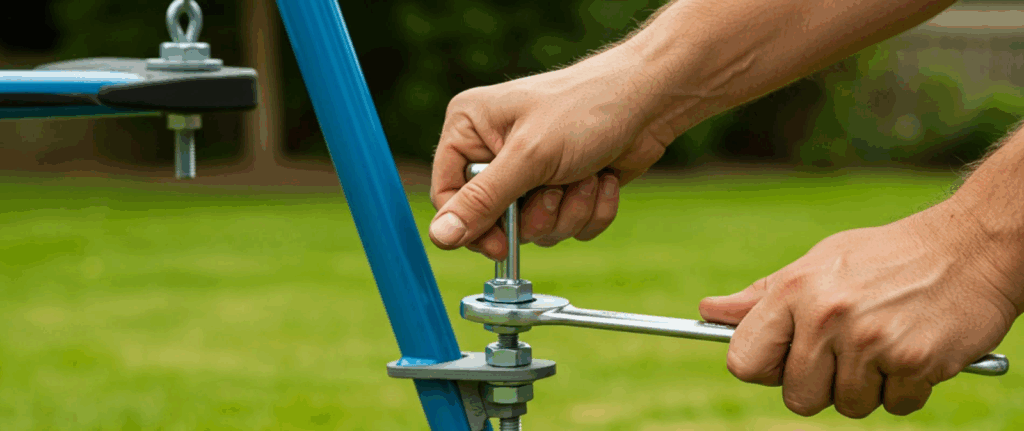
  • Attach the anchors to the swing set using the provided hardware or screws. 
  • Double-check that each anchor is securely fastened and there’s no wiggle room. 

Step 5: Level and Align the Swing Set 

Before finishing, ensure the swing set is perfectly level. Use a leveling tool to check horizontal and vertical alignment. Adjust as necessary before cement or anchors are fully secured.

  • For cemented frames, wait at least 24-48 hours for the cement to fully dry before starting up your swing set.
  • For anchored frames, ensure that all screws or bolts are tightened and secure. 

Step 6: Test for Stability 

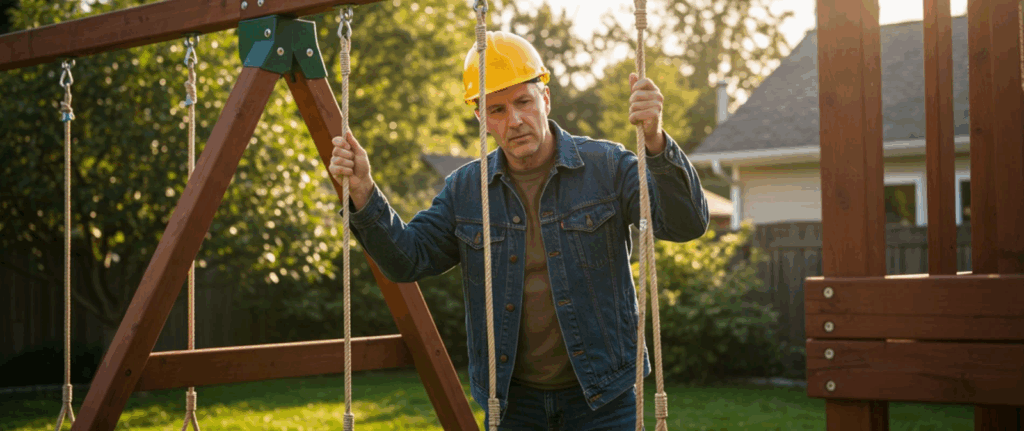
Before letting anyone use the swing set, make sure it is stable by testing it thoroughly once it is put together and anchored. Push and tug on the construction lightly to make sure it stays solid and doesn’t move or wobble. Next, check each swing or accessory one at a time by slowly adding weight to make sure the chains, ropes, and hardware are all properly attached. Make any necessary changes to the anchoring or hardware if you see any movement or instability. At this point, safety checks are very important to avoid mishaps.

Step 7: Final Touches 

Before you let your kids play on the swing set, check the whole thing for sharp edges, screws that are sticking out, or other things that could be dangerous. If you have protective caps, use these to cover any exposed hardware. Sand down any rough spots or bumps. Finally, make sure that any tools, trash, or packaging materials are thoroughly cleaned up in the area around the work site. The swing set is ready to use as soon as everything looks okay!

Put some weight on the swing set or rock it gently to test it after you’ve put it up. Your installation is safe if it doesn’t move. Let them try it out while you watch to make sure everything feels secure and steady. 

Swing set safety tips, how to anchor swing set, backyard swing installation

Swing Set Safety Tips 

Anchoring is just one part of swing set safety. To go the extra mile, follow these additional tips:

  • Inspect Regularly: Check screws, bolts, and anchors periodically for wear and tear, especially after storms or heavy use. 
  • Use Safety Surfacing: Install proper surfacing such as rubber mulch, wood chips, or foam tiles under the swing set to cushion falls. 
  • Avoid Sharp Edges: Ensure all edges and corners on the swing set are rounded and free of splinters or rust.

Set Age-Appropriate Rules: Inform kids of basic safety rules like no standing on swings or overloading weight capacity.

How to anchor swing set, swing set safety tips, anchor a swing set

Why Choose Wood Kingdom West for Your Swing Set Needs? 

At Wood Kingdom West, we understand that your child’s safety is your top priority. That’s why we offer top-quality swing sets and installation services to ensure a secure, enjoyable play experience. 

Our expert team has been serving Long Island families for over 35 years, providing professional installation solutions for swing sets, playhouses, and other outdoor structures. Whether you need help choosing the perfect swing set or anchoring it securely, our experienced technicians are here to assist. Beyond just swing sets, we provide comprehensive services for creating safe and engaging outdoor play environments, including

  • Professional Swing Set Assembly & Installation: Let our experienced technicians handle the complex build and secure anchoring.
  • Play Area Design & Landscaping: We can help you design a complete play zone, considering layout, safety surfacing, and aesthetics.
  • Safety Surfacing Solutions: From rubber mulch to professional-grade safety tiles, we offer various options to cushion falls.
  • Routine Maintenance & Safety Checks: We can even assist with regular inspections and maintenance to keep your play equipment in top condition.

Don’t leave your children’s safety to chance. For a worry-free backyard swing installation that ensures maximum fun and security, trust the experts. 

Secure Your Swing Set Today! 

Creating a fun and safe backyard environment starts with securely anchoring your swing set. By following this guide, you can ensure your family enjoys hours of carefree playtime without worry. 

For expert swing set solutions, visit Wood Kingdom West. We’re here to help with everything from product selection to professional backyard swing installation. Contact us today to get started! 

FAQs About Anchoring a Swing Set 

How deep should swing set anchors be? 

Swing set anchors should be at least 12-18 inches deep, depending on the anchoring method and ground type.

Can I install a swing set without anchoring it? 

It’s highly discouraged. An unanchored swing set risks tipping over during use, making it unsafe for children.

Which surface is best for swing set anchoring? 

Ground anchors function best on soft surfaces like grass, soil, or sand. For more permanent installations, concrete can be utilized. 

How often should I check the anchors? 

Inspect the anchors monthly and after extreme weather conditions to ensure they remain secure and free of damage. 

Can I move a swing set once it’s anchored? 

Yes, but you’ll need to detach and reinstall the anchors in the new location. Using ground anchors makes this process easier than concrete anchoring. 

Best Playground Surface Options for Safety

Share with:

When creating a playground, safety always comes first. While the swings and slides may get all the attention, the surface underfoot plays a critical role in creating a safe environment for children. According to the National Safety Council, most playground injuries stem from falls, making the right choice of playground surface options an essential consideration. This guide will walk you through the safest materials for playgrounds, their unique benefits, and how to choose the best one for your needs from trusted providers like Wood Kingdom West.

Why Playground Surfaces Matter 

  • Safety First: The primary reason playground surfaces matter is to cushion falls and reduce the risk of injuries. Surfaces like grass or dirt may seem soft but often harden over time, increasing the likelihood of harm when children fall. Opting for impact-absorbing materials like shredded rubber or engineered wood fiber can significantly reduce injuries.
  • Accessibility: A good playground surface ensures inclusivity, allowing children of all abilities to play freely. Materials like poured-in-place rubber or rubber tiles are ADA-compliant, providing a smooth, stable surface for wheelchairs and strollers.
  • Durability and Maintenance: Not all playground surfaces require the same level of upkeep. Options like sand or mulch may need frequent replenishment, while artificial turf or rubber mats provide long-term durability with minimal maintenance, making them ideal for high-use areas.
  • Environmental Considerations: Some surfaces are more eco-friendly than others. Recycled rubber, for example, is a sustainable choice that repurposes waste materials, while natural options like wood chips can decompose over time, reducing environmental impact.
  • Cost-effectiveness: Budget plays a significant role when selecting a playground surface. While initial costs of rubber tiles or turf might be high, their longevity often makes them more cost-efficient over time compared to materials requiring constant replacement.
  • Aesthetic Appeal: The right surface can also enhance the visual appeal of a playground. Brightly colored rubber or turf allows for creative designs and themes, making the space not only safer but more inviting for children. 

The 5 Best Playground Surface Options 

Playground surface options, outdoor play flooring, safe playground materials

1. Engineered Wood Fiber (EWF) 

Engineered wood fiber is a popular eco-friendly option for outdoor play flooring. It consists of small wood chips that create a soft, cushioned surface capable of absorbing impact. 

Benefits: 

  • Excellent Shock Absorption: EWF is highly effective at absorbing impact, making it one of the top safe playground materials.
  • Cost-Effective: Generally one of the most budget-friendly initial installation options.
  • Natural Appearance: Blends well with outdoor environments.
  • Environmentally Friendly: Often made from recycled wood products. 

Downsides: 

  • Requires Regular Maintenance: It needs to be raked and topped up regularly to maintain adequate depth, especially under high-traffic areas like swing sets and slide exits, which is a key consideration for outdoor play flooring.
  • Accessibility Challenges: Can be difficult for wheelchairs or strollers to navigate, making it less ideal for inclusive playgrounds.
  • Can Displace: Kids can kick or throw it, leading to uneven surfacing.
  • May Compact: Over time, EWF can compact, reducing its shock-absorbing qualities. 

Best For: Schools, parks, and large public playgrounds where budget is a primary concern and regular maintenance is feasible.

Playground surfaces, safe playground materials, outdoor play flooring

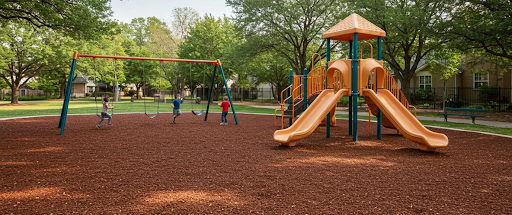
2. Rubber Mulch 

Rubber mulch is made from recycled rubber materials, like old tires, and is a durable alternative to traditional wood mulch. 

Benefits: 

  • Superior Shock Absorption: Often boasts higher critical fall heights than EWF, making it a very safe playground material.
  • Low Maintenance: Doesn’t decompose or compact easily, requiring less topping up than wood fiber. It’s a low-maintenance option among playground surfaces.
  • Quick Drying: Drains water efficiently, leading to less downtime after rain.
  • Durable and Long-Lasting: Resists wear and tear exceptionally well.
  • Pest Resistant: Doesn’t attract insects or rodents. 

Downsides: 

  • Higher Upfront Cost: More expensive than EWF for initial purchase and installation.
  • Can Get Hot: Darker colors can absorb and retain heat, making the surface hot in direct sunlight.
  • May Contain Steel Wire: Some lower-quality rubber mulch may contain small pieces of steel wire, though reputable suppliers ensure it’s removed. 

Best For: Any playground where safety and low maintenance are top priorities, and the budget allows for a higher initial investment. Often chosen for premium residential or commercial playgrounds.

Safe playground materials, playground surface options, outdoor play flooring

3. Poured-in-Place (PIP) Rubber 

PIP rubber is a seamless surfacing solution known for its durability and safety. It’s crafted by pouring rubber granules on-site and binding them with a polyurethane mixture. 

Benefits: 

  • Superior Safety: Provides excellent, consistent impact absorption across the entire surface, making it one of the safest playground surface options.
  • Highly Accessible: Smooth, level, and firm, making it ideal for wheelchairs, strollers, and those with mobility challenges. This is crucial for truly inclusive outdoor play flooring.
  • Low Maintenance: Easy to clean and requires minimal ongoing maintenance. No raking or topping up needed.
  • Design Flexibility: Available in a wide range of colors and patterns, allowing for creative designs and integrated games.
  • Durable: Very long-lasting with proper installation and care. 

Downsides: 

  • Highest Upfront Cost: Significantly more expensive than loose-fill materials.
  • Professional Installation Required: Installation is a specialized process that needs experienced professionals.
  • Can Get Hot: Darker colors can absorb a lot of heat, similar to rubber mulch.
  • Repairs Can Be Noticeable: While durable, repairs can sometimes show seams or color differences. 

Best For: Public parks, schools, daycares, and any setting where accessibility, maximum safety, and low long-term maintenance are paramount. It’s often considered the gold standard for safe playground materials.

Playground surfaces, outdoor play flooring, playground surface options

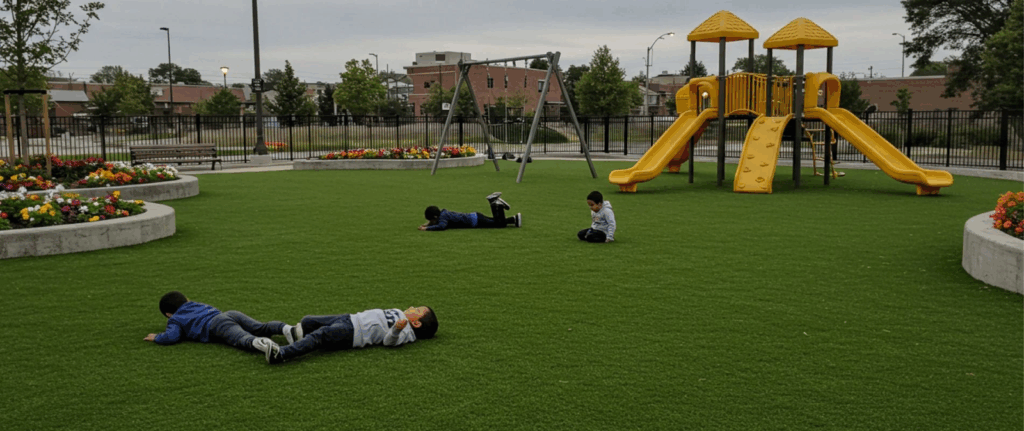
4. Artificial Grass or Turf 

Artificial grass combines aesthetics with utility, mimicking the look of natural grass while providing a safer, cushioned playground surface. 

Benefits: 

  • Aesthetic Appeal: Looks like natural grass year-round, enhancing the visual appeal of the play area.
  • Excellent Shock Absorption: The infill system provides high critical fall heights.
  • Good Drainage: Designed to drain water quickly.
  • Low Maintenance: No mowing, watering, or fertilizing. Minimal upkeep compared to natural grass.
  • Clean: No mud or dirt, keeping children and nearby areas cleaner.
  • Accessible: A relatively firm and even surface, offering good accessibility.

Downsides: 

  • High Upfront Cost: Similar to PIP rubber in terms of initial investment.
  • Can Get Hot: Like other rubber-based materials, it can retain heat.
  • Odor: Some infill materials can have a rubbery odor, especially in hot weather. 

Best For: Playgrounds where aesthetics, safety, and low maintenance are priorities, and a natural grass look is desired. Increasingly popular for both residential and commercial applications.

Playground surface options, playground surfaces, safe playground materials

5. Sand and Pea Gravel 

These are traditional playground materials that have been used for decades. They create a loose surface but still absorb impact from minor falls. 

Benefits: 

  • Very Low Cost: Highly affordable for initial purchase.
  • Good Drainage: Both drain water well. 

Downsides: 

  • Lower Critical Fall Height: Offer less impact absorption compared to EWF or rubber mulch, requiring greater depth for safety, which is a significant factor when considering safe playground materials.
  • High Maintenance: Easily displaced, tracked into buildings, and can hide debris. Needs constant raking and topping up.
  • Pest Attraction: Can become a litter box for animals.
  • Accessibility Issues: Extremely difficult for wheelchairs.
  • Hygiene Concerns: Can harbor bacteria or contain sharp objects if not regularly cleaned.

Best For: 

Very low-budget projects or areas with low fall heights where supervision is constant. Generally not recommended as a primary surface for modern play structures.

How to Choose the Right Playground Surface 

There’s no one-size-fits-all solution when it comes to playground surfaces. Here’s a quick checklist to help guide your decision-making process. 

  1. Consider Safety First 

Look for materials with excellent impact absorption, especially for high-use playgrounds. Surfaces like rubber mulch or poured-in-place rubber are great for absorbing shocks and reducing injuries. 

  1. Set a Budget 

While some materials like poured-in-place rubber have higher upfront costs, they save money long-term through reduced maintenance requirements. 

  1. Account for Accessibility 

If you need to meet ADA standards, opt for materials that provide wheelchair accessibility, like PIP rubber or compacted engineered wood fiber. 

  1. Think About Maintenance 

How much time and money can you commit to maintaining the surface? Low-maintenance options like artificial grass or rubber mulch might be worth the higher cost upfront. 

  1. Choose Based on Appearance 

Surface materials come in a variety of colors and finishes. Pick one that complements the rest of the playground and surrounding space. 

Why Choose Wood Kingdom West 

If you’re considering investing in safe and sturdy playground surfaces, Wood Kingdom West can help. With over 35 years of experience serving Long Island and the tri-state area, they’re a trusted provider of safe playground materials and installations. Whether you’re looking for rubber mulch, poured-in-place rubber, or engineered wood fiber, their expert team will guide you through the entire process from design to installation. 

Build a Safer Playground 

Choosing the right playground surface options ensures both safety and enjoyment for children. By investing in high-quality, durable materials, you not only create a secure play area but also enhance the overall value of your property. 

For professional guidance and premium installations, trust Wood Kingdom West to bring your playground vision to life. Browse their offerings or book an appointment today to get started!

FAQs About Playground Surface Options 

1. What is the safest playground surface? 

Materials like poured-in-place rubber and engineered wood fiber are among the safest options. They provide excellent impact absorption to reduce injuries while meeting ADA accessibility standards. 

2. How often should playground surfaces be maintained? 

It depends on the material. Rubber surfaces require minimal upkeep, while loose materials like wood chips or sand need regular raking and refilling. 

3. Is artificial turf good for playgrounds? 

Yes, artificial turf is a durable and visually appealing option. It also has excellent drainage and provides a cushioned surface for safety. 

7 Eco-Friendly Playhouse Materials for a Greener Backyard

Share with:

When you are considering building a playhouse for your children, why not make it eco-friendly? Not only does a green outdoor playhouse contribute to a healthier environment, but it also teaches your little ones about the importance of sustainability. 

At Wood Kingdom West, we specialize in creating custom playhouses using eco-friendly materials that will last for years. In this article, we will discuss seven fantastic materials for building your sustainable playhouse and offer a glimpse into our services.

1. Reclaimed Wood: Sustainable and Stylish

Reclaimed wood is a fantastic choice when building an eco-friendly playhouse. Using reclaimed wood reduces the need to cut down trees, making it one of the most sustainable materials available.

Benefits:

  • Sustainability: It reduces the need to cut down new trees.
  • Durability: Reclaimed wood is often stronger than new timber.
  • Eco-Friendly: Reduces landfill waste by reusing wood from old structures.

At Wood Kingdom West, we incorporate reclaimed wood into our custom-built playhouses, ensuring you get the highest quality materials while supporting sustainability. Check out our custom playhouse design services here.

2. Bamboo: Fast-Growing and Strong

Reclaimed wood is a fantastic choice when building an eco-friendly playhouse. Instead of sourcing new timber, reclaimed wood comes from old buildings, barns, and other structures. Using reclaimed wood reduces the need to cut down trees, making it one of the most sustainable materials available.

Benefits:

  • Sustainability: Bamboo grows rapidly, making it a renewable resource.
  • Strength: Bamboo is incredibly strong and perfect for structural and decorative elements.
  • Natural Aesthetic: Bamboo offers a clean and modern look.

Bamboo can be effectively used in a variety of playhouse designs. Whether you are opting for walls, flooring, or other structural components, it’s a material that can add a touch of natural beauty to your backyard playhouse.

3. Recycled Plastic: Durable and Low Maintenance

Recycled plastic lumber is made from post-consumer plastic waste, such as bottles and containers. This material mimics the look of traditional wood, but it doesn’t require the maintenance that wood does, making it perfect for outdoor playhouses.

Benefits:

  • Weather Resistance: Won’t rot, mold, or attract insects like wood.
  • Low Maintenance: Recycled plastic playhouses require very little upkeep, making them an ideal option for busy families.
  • Eco-Friendly: By using recycled plastic, you’re helping to reduce plastic waste.

Wood Kingdom West offers playhouses incorporating recycled plastic for a more durable, low-maintenance outdoor play solution. Check out our services to see how we can help you create the perfect playhouse for your family.

4. Straw Bale: Insulating and Natural

Straw bale construction is an age-old building method that uses straw bales as the primary wall material. It’s a great way to create a well-insulated and sustainable playhouse.

Benefits:

  • Excellent Insulation: Keeps the playhouse warm in the winter and cool in the summer.
  • Natural Materials: Straw is a readily available and renewable resource.
  • Eco-Friendly: It’s an energy-efficient building method that helps reduce your carbon footprint.

For those looking for a natural, earthy aesthetic, straw bale construction can be a great option. At Wood Kingdom West, we’re happy to explore various eco-friendly materials to ensure your playhouse fits your style and sustainability goals.

5. Earthbags: Durable and Earth-Friendly

Earthbags are bags filled with local soil and stacked to form walls. This method is gaining popularity in sustainable building projects because of its durability and environmental friendliness.

Benefits:

  • Durability: Earthbag construction can withstand harsh weather conditions and is known for its long lifespan.
  • Thermal Mass: Excellent for temperature regulation, keeping the playhouse comfortable year-round.
  • Local Materials: Use soil from your local area, reducing transportation emissions.

Earthbag playhouses are an excellent option for those who want an off-grid, self-sufficient playhouse. At Wood Kingdom West, we can help you explore creative building methods like this to create a truly eco-friendly structure.

6. Hempcrete: Lightweight and Insulating

Hempcrete is made from a combination of hemp, lime, and water. It’s lightweight, insulating, and perfect for creating sustainable playhouses.

Benefits:

  • Carbon-Negative: Hemp absorbs more CO2 than is emitted during its lifecycle.
  • Insulating: Excellent thermal insulation that keeps the playhouse comfortable.
  • Eco-Friendly: Made from renewable hemp plants.

If you are looking for a more modern, innovative material, hempcrete is an excellent choice for building a playhouse that is both sustainable and energy-efficient.

7. Cardboard

Cardboard might not seem like an obvious choice for building a playhouse, but it is an excellent, eco-friendly option for temporary or DIY projects. It’s inexpensive, easy to work with, and fully recyclable, so you can create a fun, creative playhouse without harming the environment.

Benefits:

  • Eco-Friendly: Cardboard is a recyclable material that has minimal environmental impact.
  • Customizable: Easy to decorate and make your own.
  • Affordable: A budget-friendly option for families looking for a temporary playhouse.

While not a long-term solution, cardboard playhouses are great for short-term outdoor play. You can find eco-friendly cardboard playhouses in many stores or even build one yourself.

Benefits of Eco-Friendly Playhouses

Building an eco-friendly playhouse offers numerous benefits, both for your family and the planet:

  • Sustainability: Help conserve natural resources and reduce environmental impact.
  • Healthier Living: Eco-friendly materials are often free from harmful chemicals, creating a safer environment for your children.
  • Longevity: Many sustainable materials are durable, meaning your playhouse will last for years.

By choosing eco-friendly materials, you’re not just investing in a playhouse, you are investing in a greener future. If you are ready to create your sustainable playhouse, Wood Kingdom West is here to help you make the right choice for your family.

Wood Kingdom West: Your Partner in Sustainable Playhouses

Wood Kingdom West offers custom-built playhouses made with eco-friendly materials that fit your style and sustainability goals. Whether you are looking for a bamboo playhouse or one made from reclaimed wood, our team will work with you to create a design that’s both environmentally conscious and safe for your kids.

Our Services:

  • Custom Playhouse Design: Tailored to fit your backyard and needs.
  • Eco-Friendly Materials: Choose from green materials like reclaimed wood, bamboo, and recycled plastic.
  • Expert Installation: Our professional team ensures your playhouse is safe, durable, and ready for years of fun.

While not a long-term solution, cardboard playhouses are great for short-term outdoor play. You can find eco-friendly cardboard playhouses in many stores or even build one yourself.

Conclusion

In conclusion, building an eco-friendly playhouse is a great way to create a safe, fun, and sustainable space for your children. By choosing materials like reclaimed wood, bamboo, or recycled plastic, you can help protect the environment while providing your kids with a creative playground. Wood Kingdom West is committed to offering high-quality, eco-friendly, durable, and stylish playhouses. Start your green backyard project with us today and give your family a beautiful, sustainable playhouse.

Get Started Today:

Ready to build your eco-friendly playhouse? Contact Wood Kingdom West today for expert design and installation services.

FAQs

What are the most eco-friendly materials for a playhouse?

Reclaimed wood, bamboo, and recycled plastic are all great eco-friendly options. At Wood Kingdom West, we can help you choose the right material for your playhouse.

How long will a recycled plastic playhouse last?

A recycled plastic playhouse is highly durable and can last for many years with minimal maintenance, making it an excellent long-term investment.

Is bamboo a good material for a playhouse?

Yes, bamboo is strong, sustainable, and offers a beautiful natural aesthetic. It’s a great choice for any eco-friendly playhouse.

Can I customize my eco-friendly playhouse?

Yes, our expert offers custom designs to ensure your playhouse fits your style and sustainability needs.

Does Wood Kingdom West offer installation services for eco-friendly playhouses?

We provide expert installation services for all our custom playhouses, ensuring your structure is safe and built to last.

How to Choose the Best Playground Safety Surfacing in Long Island, NY

Share with:

If you are creating a fun and secure place for children to play, it all starts from the ground up. Whether you are preparing a backyard play area, schoolyard, or public park. Choosing the right playground safety surfacing in Long Island, NY is essential to ensure long-term durability, injury prevention, and ADA compliance.

At Wood Kingdom West, we offer a wide selection of impact-absorbing rubber flooring and ADA-compliant surfacing designed to fit every space and budget. Our expert team helps you select and install the ideal materials to meet all safety standards, ensuring your play area is both welcoming and worry-free.

Understand Playground Safety Surfacing

Playground safety surfacing refers to the material placed beneath and around playground equipment to reduce the risk of injury from falls. It is not only a safety necessity, it is also legally required by safety organizations like the U.S. Consumer Product Safety Commission (CPSC) and ASTM International, and must meet ADA guidelines for accessibility. 

At Wood Kingdom West, we supply and install surfacing options that comply with all necessary safety standards, making your playground a worry-free zone for all users.

Most Popular Playground Surfacing Options in Long Island, NY

Here’s a closer look at the top surfacing choices trusted by schools, municipalities, and families across Long Island:

1. Poured-In-Place Rubber

This surface is one of the most popular unitary surfacing systems, made of rubber poured on-site. Our Poured Rubber Surfacing provides a seamless, slip-resistant area that’s ideal for schools, parks, and high-traffic areas.

Benefits:

  • Exceptional shock absorption
  • Custom colours and themes are available
  • ADA compliant and slip-resistant
  • Long-lasting with minimal maintenance

Best Place For: Municipal parks, schools, commercial playgrounds

2. Rubber Tiles

Rubber tiles are interlocking squares made of recycled rubber, available in different thicknesses. They are a great choice for commercial and daycare settings.

Benefits:

  • Consistent safety across the surface
  • Easy to replace individual tiles
  • Stylish colour options
  • ADA accessible

Best Place For: Daycare centers, indoor play areas, and tight budgets

3. Synthetic Turf with Shock Pad

This solution mimics natural grass but comes with the safety of a shock-absorbing pad underneath. It offers a great combination of natural beauty and fall protection.

Benefits:

  • Clean, green appearance all year
  • No mowing, watering, or pesticides
  • Excellent drainage and soft surface
  • ADA friendly

Best Place For: Residential playgrounds, dog parks, and eco-conscious projects

4. Engineered Wood Fiber

EWF is a loose-fill surface that provides a natural wood-chip look with added shock absorption.

Benefits:

  • Affordable installation
  • Natural and rustic appearance
  • Meets safety guidelines when maintained properly

Best Place For: Community parks and budget-conscious clients

5. Rubber Mulch

Rubber mulch is made from shredded recycled tires and offers a colourful, impact-absorbing loose-fill option.

Benefits:

  • It does not break down over time like wood
  • Vibrant colours available
  • Excellent fall protection
  • Pest and mold resistant

Best Place For: Home playgrounds and areas with lighter traffic

Key Factors to Consider When Choosing Playground Safety Surfacing

Here are some factors to consider when choosing playground safety surfacing in Long Island, NY:

Safety Standards:

Always ensure your chosen surface complies with ASTM F1292 for impact attenuation and ADA for accessibility. Every surface offered at Wood Kingdom West meets or exceeds these standards.

Budget and Long-Term Value:

While materials like PIP rubber and turf may cost more upfront, they require less maintenance and last longer, which can save you money in the long run.

Visual Appeal:

Want your playground to look as good as it functions? With custom surfacing options available from our expert team, you can match your surfacing to school colours, themes, or brand identity.

Maintenance Needs:

Loose-fill like EWF and rubber mulch require periodic raking and refilling, while PIP rubber and tiles need only basic cleaning and inspections.

Climate Compatibility:

Long Island sees snow, rain, and hot summers, so choose a surface like turf or rubber that drains well and withstands the elements.

Tips for a Successful Playground Surface Installation

Installing the right playground surfacing is not just about choosing the material, it is also about proper planning and execution. Here are some expert tips to ensure your surface is safe, long-lasting, and meets all local standards:

1. Measure Equipment Height First:

Start by calculating the critical fall height of your playground equipment. This determines the thickness or depth required for safety surfacing under and around the equipment.

2. Ensure a Level and Well-Drained Base:

Your surface needs a solid, well-prepared foundation. A compacted crushed stone base with proper drainage prevents water pooling and keeps the surfacing stable over time.

3. Choose Materials Based on Usage:

For high-traffic areas like schools or public parks, opt for poured-in-place rubber or rubber tiles for maximum durability. For residential use, rubber mulch or engineered wood fiber may be more cost-effective.

4. Follow ADA Guidelines:

To ensure accessibility, select materials that are firm, stable, and slip-resistant, like synthetic turf or unitary rubber surfaces. Loose-fill surfacing may require additional ADA pathways or mats.

5. Hire Professionals for Installation:

DIY might seem tempting, but professional installation ensures your surface is level, properly compacted, and fully compliant with ASTM and ADA safety standards. At Wood Kingdom West, our team ensures every playground surface is installed to the highest safety specifications.

Why Choose Wood Kingdom West for Playground Surfacing in Long Island, NY?

At Wood Kingdom West, we do more than supply playground equipment, we help families, schools, and communities build safe, durable, and beautiful play spaces from the ground up. Here’s why we are Long Island’s top choice for playground safety surfacing:

Trusted Local Experts with 30+ Years of Experience:

We have been serving Long Island and the tri-state area since 1989, offering playground solutions that meet safety codes, look great, and last for years.

Professional, Worry-Free Installation:

Our in-house installation teams are trained in ASTM and ADA safety standards, ensuring every project is done right, the first time. We handle everything from site prep to final surface check, so you do not have to lift a finger.

Custom Solutions for Every Site:

No two playgrounds are the same. That is why we help you choose the best surfacing type, colour, and layout based on your site, equipment, and budget. Whether it is poured-in-place rubber, rubber mulch, or synthetic turf, we’ve got you covered.

Full-Service Support: From Start to Finish:

From free consultations and product recommendations to complete installations and follow-up maintenance advice, we guide you every step of the way.

Local Showroom and On-Site Demos:

Visit our Farmingdale showroom to see surfacing samples in person, get expert advice, and schedule a free on-site estimate.

Conclusion

When it comes to building a safe, long-lasting, and visually appealing play space, your playground surface is just as important as the equipment itself. The right playground safety surfacing in Long Island, NY, not only reduces the risk of injuries but also ensures compliance, accessibility, and long-term value. 

At Wood Kingdom West, we bring years of experience, quality materials, and expert installation to every project, helping homeowners, schools, and communities create spaces where kids can play safely and confidently. 

Ready to Upgrade Your Playground Now:

Ready to transform your outdoor area? Let’s lay the groundwork for safer play. Contact us today for a free consultation and get expert support from start to finish.

FAQs:

What is the best surfacing for a public park in Long Island?

The best surfacing for a public park in Long Island is poured-in-place rubber due to its durability, low maintenance, and ADA compliance. Explore our playground surfacing options to find the right fit for your space.

Is rubber mulch safe for kids?

Yes, rubber mulch is safe for kids when installed correctly. It is made from non-toxic recycled rubber and provides excellent shock absorption for safer play.

Can surfacing be installed in winter?

Yes, playground surfacing can be installed in winter, but some materials like poured-in-place rubber require dry, above-freezing conditions. Contact our team to plan the best time for your installation.

Is the playground surfacing ADA compliant?

Unitary surfaces like rubber tiles, poured rubber, and turf are ADA compliant, offering easy access for wheelchairs and strollers.

Is it possible to combine surfacing types?

Yes, combining surfacing types is absolutely possible and often beneficial. At Wood Kingdom West, we can help you blend options like poured-in-place rubber and rubber mulch to fit your design and budget.

 Top Pergola & Gazebo Design Trends for 2025

Share with:

Outdoor living infused with design and elegance has become a part of daily life instead of seasonal entertainment. With the wonderment that surrounds it, it’s no shock that living areas linked to nature have become a favorite among designers, builders, and households. The geometrical wonders of the past, like gazebos and pergolas, are starting to become multifunctional entities equipped with the latest technological advances. They now provide a place to relax while enjoying its aesthetic features. As people’s tastes shift toward greater personalization, innovation, and eco-friendly options, the trends are pretty straightforward for relaxing – innovations are in high demand for gazebos and multifunctional pergolas.  

Adding spice and style with a pergola or gazebo is not only meant for visual appeal; it can further enhance the utility value of your living area in a compact or traditional yard, harnessing the energy to create a more peaceful or vibrant environment. Adapting structures to the property can convert it into a serene escape or add an entertaining touch. In the coming sections, we will identify and elaborate further on the most critical trends visionaries expect in structures for modern pergolas and gazebos throughout 2025.

The team at Wood Kingdom West brings years of experience to create everything from elegant pergolas and gazebos to fully customized outdoor solutions. Beyond design, they offer a comprehensive suite of services to ensure your yard remains functional, safe, and beautiful all year round.

Smart Technology Integration: The Innovations In 2025 Outdoor Living Smart Pergolas

One of the most exciting transformational trends in pergola design for 2025 is smart technology integration. Today, homeowners can fully automate comfort control, lighting, and weather protection at the push of a button. Innovative pergolas come equipped with adjustable louvers that can open or close depending on the sun or rain, with some models possessing additional capabilities such as voice recognition and automated climate control systems.

These advanced pergolas allow people to enjoy the outdoors all year round, especially in regions with severe weather changes. Their innovative capabilities also permit mobile app control, allowing homeowners to remotely adjust lights, temperature, and even the audio system. This is incredibly convenient and a game-changer for modern outdoor living. For property owners and builders looking to stay ahead in outdoor structure trends, innovative pergolas will be necessary by 2025.

  • Automated Light and Shade Louvers  
  • Lighting and sound systems are adjustable through a mobile application  
  • Commands through Alexa or Google Home  

Sustainable Strategies: Green Construction and Eco-Friendly Materials  

It’s 2025, and there’s no escaping sustainability. Pergolas and gazebos designed with sustainability in mind are on the rise. Homeowners are more eco-friendly nowadays and prefer using recycled, responsibly sourced, or naturally renewable materials. The best materials for eco-friendly pergolas and gazebos are bamboo, reclaimed wood, composite decking, and recycled aluminum.  

Moreover, these structures are being augmented with eco-friendly features such as vertical gardens, lighting, and even systems that collect rainwater. This is a favorable trend for homeowners looking to reduce their carbon footprint while still enjoying luxury and design. Plants, living walls, and vertical gardens also help improve air quality while beautifying the outdoor space.

  • The incorporation of bamboo, composite materials, or FSC-certified wood. 
  • Climbing plants and green roofs for biologically based insulation. 
  • Lighting and small appliances can be powered by panels. 

Customization: Make It Stylish, Personal, and Functional

Structures that are designed for outdoor use are now tailored to suit individual preferences. Personalization has catalyzed one of the major gazebo design trends for 2025. Creating an outdoor office, family entertainment zone, or romantic garden nook, pergolas and gazebos are being personalized to suit every lifestyle. Built-in furniture, retractable shades, and privacy walls to custom-made gazebos exemplify the personalization trend.

There is a shift towards non-neutral color choices. The design palette broadens to include more expressive, bolder colors such as matte black, navy blue, terracotta, sage green, and warm terracotta. These colors not only enhance or help blend structures with the landscape but also add personality and visual depth. 

Custom designs also comprise modular parts that can be rearranged seasonally or upgraded over time. For custom design, contact us today!

Modular pieces for prospective updates

  • Fixed seating, fire pits, and planters
  • Custom look consolidates bold colors and textured finishes

Hybrid Structures: The Gazebo and Pergola Combo

As we move into 2025, hybrid designs will likely be among outdoor spaces’ most functional and sophisticated structures. A hybrid structure combines a pergola’s breeze and sun entrance with the closed sides of a gazebo, offering both style and function. With this design, homeowners can take advantage of outdoor space that provides shelter from the rain or sun.

The mix of styles allows for greater flexibility in space use, such as opening a portion for sunlight and ventilation or enclosing it for private work or relaxation. These hybrid models often have sliding panels, screens, or curtains that create distinct zones within an area. This flexibility enhances the appeal of such structures to new home buyers who want versatile solutions.

Multi-Purpose Outdoor Lounges  

The single purposes associated with a gazebo or a pergola are long gone. In 2025, multifunctional outdoor lounges that transform into entertainment zones, workspaces, and wellness retreats are becoming popular among homeowners. These structures are now converted into sprawling home gyms, reading corners, meditation pods, and even mini outdoor theaters.  

From built-in bars, lighting systems, outdoor kitchens, and weather-resistant sofas and rugs, designs are becoming more sophisticated. With the addition of heaters and fans, these areas can be made functional for all seasons, and that is the goal of this trend: to increase property value and meet modern living needs.  

For families, their range of outdoor play equipment, including trampolines, basketball hoops, and playhouses, keeps kids active and entertained throughout the year.

Rustic Charm with a Modern Twist  

With the increasing popularity of tech-savvy futuristic designs, rustic gazebo and pergola styles are returning in 2025, but with a modern twist. Exposed timber beams and vintage lantern-style lighting add a nostalgic warmth. While these designs are being modernized through the use of minimalist shapes and open layouts, more emphasis is also being given to the sustainable finishes.

This combination of traditional and contemporary appeals to homeowners who seek comfort, authenticity, and style. The combination of rustic and modern provides a calm, soothing aura suitable for countryside houses, lakeside cabins, or properties with gardens. 

Minimalist Zen Spaces: Maximum Calm With Clean Lines

The year 2025 will witness a rise in the minimalist movement, indoors and outside. More and more homeowners are adopting Zen-inspired designs for their pergolas and gazebos, prioritizing clean lines, symmetry, and uncluttered space for aesthetic balance. These areas are designed to be devoid of disorder, making them ideal for meditation, yoga, or relaxing after a long day. 

Natural materials like smooth cedar, pale teak, and stone are preferred to maintain a grounded feel. Accompanied by low-profile furniture, rock gardens, and tranquil water features, these structures transform outdoor spaces into sanctuaries. This trend relies on soft lighting, neutral colors, and meticulous open space planning.

  • Perfect for quiet areas and mindfulness activities
  • Self-storage spaces are maintained with concealed devices as well as clean, linear designs
  • Best suited to arid garden landscapes and low-maintenance dry gardens

Mediterranean & Boho Fusion Styles

An exciting gazebo design trend expected to take off by 2025 is the fusion of Mediterranean style with boho chic. This style features whitewashed wooden planks, textured fabrics, arched openings, and decorative features like macrame and ginger pots. It’s great for those who enjoy free-spirited Boho design along with the elegant structure of Mediterranean coast retreats.

These built structures often have lighter-colored linen curtains draped around them, woven canopy shades, and earthy-toned upholstery. The spaces are welcoming and timeless thanks to patterned tiles, hanging lights, and layered cushions. This trend targets younger homeowners and creative designers who want relaxed luxury.

Outdoor Dining & Cooking Pergolas

Outdoor dining and hosting at home have grown in popularity, and so have outdoor kitchens, dining pergolas, and kids’ playhouses in 2025. These are no longer simple covered grills. Instead, we have fully equipped cooking zones with elegant dining setups protected by stylish pergola covers and complete with prep counters, pizza ovens, and mini-fridges.

These structures can be attached to the house or built as separate kitchen pavilions to serve brunch or evening dinner with a view to entertaining guests. For this purpose custom-made pergola includes ventilation, general lighting, and bar stools for seating. The blend of beauty and utility drives their popularity in luxury landscaping.

  • Barbecue grills, wine refrigerators, or even pizza ovens
  • Resistant granite or composite stone countertops
  • Outdoor Cabinets made from weatherproof materials and integrated lighting

Elevated Platforms and Rooftop Pergolas

Rooftop pergolas and other elevated platforms combine effortless style with space efficiency, transforming outdoor design in urban settings. They are mainly in demand in places where backyards are scarce, as these pergolas are mounted on terraces, balconies, and roofs to provide intimate retreats in populated areas. In 2025, complimentary green walls, outdoor lounges, and hot tubs will expand the use of space under rooftop pergolas.

These structures, positioned at a height, offer unparalleled views of the city skyline. When outfitted with retractable shades or windbreak panels, glazed railings, or other view-maintaining structures, they can provide comfort without sacrificing sight. Developers, Airbnb property owners, and hospitality businesses looking to enhance their premium outdoor amenities especially favor rooftop pergolas.

  • Optimally functional layouts for apartments and penthouses.  
  • Safety-oriented construction complemented by panoramic views.  
  • Perfect for high-end commercial and residential buildings.  

Conclusion 

Now, as we transition into 2025, outdoor spaces have become the centerpiece of modern living instead of an afterthought. The focal point of the latest pergola design trends 2025 aims to combine style, nature, and function, while biophilic pergolas work to bring nature to your doorstep, and rooftop gazebos turn unused spatial areas into private retreats.  

Outdoor structures like gazebos and pergolas are now more customized and purpose-driven, making them ideal for homeowners looking to enhance their backyards or developers planning luxury projects when considering investing in their outdoor experience. 

Keeping your outdoor investments in prime condition is easy with professional swing set sealing and servicing, regular power washing, and playset relocation services. Wood Kingdom West also offers shed demolition and site preparation for new installations or removals, providing complete yard transformation support.

Do you need tailored guidance or custom design solutions? Whether you are looking for state-of-the-art outdoor dining pergola plans or wish to explore gazebo design trends for relaxation, contact our team of outdoor living experts today. Together, we will build a space that is not only trendy but truly timeless.
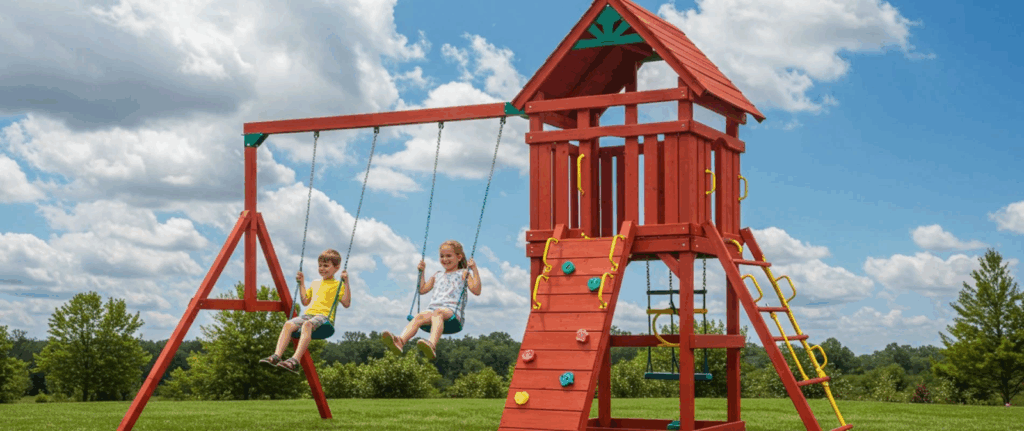
FAQs 

1. What are the differences between a gazebo and a pergola?

A gazebo is a freestanding structure that is fully covered and used for shelter and seating purposes. On the other hand, a pergola supports climbing plants, and its roof is open for sunlight and airflow. In 2025, hybrid designs will combine elements for enhanced function and style.

2. Are smart pergolas worth the investment?

If you live in a region with unpredictable weather changes, then investing in innovative pergolas is definitely a wise choice. Modern-day homeowners get long-term value from smart member controls, automated louvers, app-operated lighting systems, and other modern entertainment features.

3. Which materials are perfect for eco-friendly outdoor structures?

In 2025, bamboo, reclaimed wooden materials, recycled aluminum, and composite materials will be the most popular materials for sustainable gazebo and pergola structures. These materials are low-maintenance, sturdy, and environmentally friendly, perfect for homeowners who want to minimize their ecological footprint.

10 DIY Backyard Playset Ideas to Transform Your Outdoor Space

Share with:

Do you want your backyard to be a fun-filled playground? Combining creativity and planning, along with the help of professionals like Wood Kingdom West, can help you create a safe and enjoyable space for kids of all ages.

Let’s explore the 10 best do-it-yourself backyard playset ideas, which include all the necessary tools, tips, and instructions to elevate your outdoor space.

1. Classic Wooden Swing Set with Slide

Swing sets never go out of style! Classic wooden playsets are easy to build, affordable, and readily customizable. Start with the A-frame swing set using pressure-treated lumber. Add swings for children of all ages. For additional fun, attach a slide on one side. Consider adding a rope ladder, monkey bars, or climbing wall to the other side for more variety.
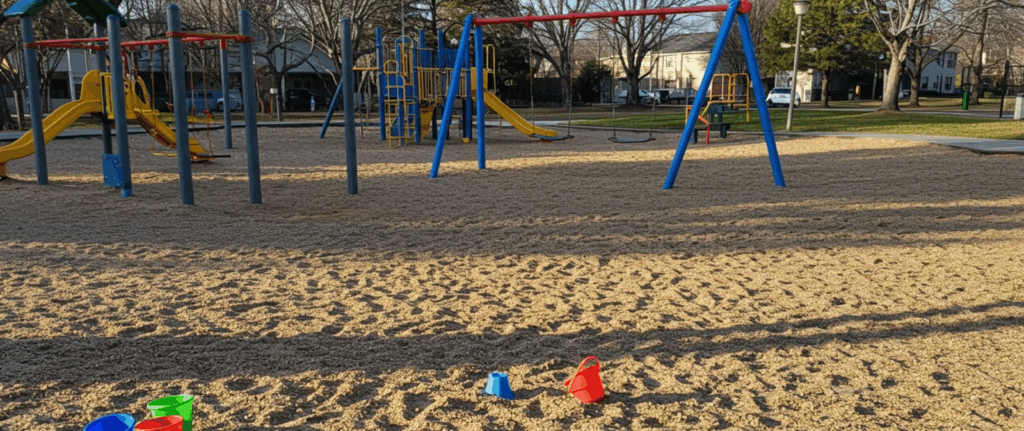
Consider painting or staining the wooden frames in fun colors to enhance the aesthetic of your backyard.

Wood Kingdom West offers durable, ADA-compliant rubber mulch or poured-in-place rubber surfacing that absorbs impact and prevents injuries.

2. Backyard Climbing Wall

Unleash vertical fun by building a DIY climbing wall. Mount it on a fence, shed, or freestanding wooden frame. Use exterior-grade plywood and install bright plastic climbing holds that match your child’s age and skill level. 

For added variety, combine it with a rope ladder or cargo net for full-body movement challenges. These activities are great ways to enhance a child’s coordination, balance, and upper-body strength. 

Install a Wood Kingdom West pergola to enhance its beauty and create shade. You can also add safety surfacing below it to prevent injuries when falling from the wall. 

3. Treehouse Hideaway 

It’s every kid’s desire to have a tree home – a private fantasy playground. This can be achieved by building a tree house based on your tree’s strength, ranging from simple to elaborate builds. Starting with a basic platform with safety railings and a ladder is good, and you can expand into a more advanced build that includes a wrap-around deck, roof, and interior seating.

Enhance the fun by adding accessories such as steering wheels and telescopes. Wrap fairy lights or place lamps to make it magical at night. Wood Kingdom West’s power washing, sealing, and staining services will help maintain the structure’s safety and appearance. Don’t forget to examine the tree’s stability —structure maintenance is important!  

4. Sandbox with Shade Cover

A sturdy DIY sandbox can be enhanced by using non-toxic play sand. To promote sensory play, imagination, and creativity, fill a framed landscape block that has been lined with fabric to form the sandbox. Creating benches will make it easier to use the sandbox while providing storage space to add lids or seating areas.

To provide children with protection from sunlight, PVC piping, wooden posts, or a curve can be used for the shade cover. A patio umbrella or sail shade can also be reused for this purpose.

Upgrade this sandbox by relocating it into one of the custom outdoor cabinets by Wood Kingdom West to store sand buckets and tools when not in use.

5. Obstacle Course Adventure Zone

Why create a single activity when you can make an all-in-one obstacle course? Decorate the yard with various props to add to the balance, strength, and agility challenge. Use rope swings, climbing ladders, tire runs, hop circles, and balance beams.

A great option to modularize obstacles is to build each one independently so that they can be rearranged and moved over time. This will always keep your children excited and encourage them to stay active.

Safety First: Border the playground with curbside rubber, wood chips, or rubber mulch. This will define the play area and provide cushioning for tumbles.

6. DIY Trampoline Pit

An above-ground trampoline kit could easily be transformed into an in-ground one by constructing a pit beneath it. This not only enhances the aesthetic but also increases safety by lowering the risk of injury. First, select an in-ground trampoline kit, then create a pit deep enough to allow for air circulation and drainage.

You could also reinforce and improve the pit’s edges by using bricks or treated lumber as a retaining wall. Furthermore, drainage pipes coupled with gravel would stop water collection.

Pro Landscaping Tip: Place synthetic grass from Wood Kingdom West around the trampoline to create a clean, soft, mud-free area all year round.

7. Mini Zip Line

Bring the treetop thrill right into your backyard! Set up a zip line that connects two trees or support poles, ensuring a slow downhill slope to give the zip line some momentum. It is highly recommended to use a zip line kit for backyards, as they come equipped with safety features like harnesses, braking mechanisms, and padded seats.

Children will appreciate the adventure this brings, and physical activity is always a plus. Ground cover and obstructions must also be looked at.

Rubber padding should be added on both sides of the zip line to reduce the risk of scraping and bruising from tough landings.

8. Castle Play House

Let your child’s imagination run wild with a wooden castle, fort, or cottage. They can act out as a real-life kitchen, post office, or superhero and immerse themselves in this structure made from plywood, framing studs, and waterproof paint.

Furthermore, flower boxes, windows, working doors, a slide exit, or even a second-story loft can be added. The structure can also be painted in bright or themed colors based on your kid’s favorite character.

Custom Option: Wood Kingdom West specializes in custom-designed playhouses—from whimsical castles to rustic log cabins, designed to suit your preferred space and theme.

9. Backyard Sports And Basketball Zone

Set up an area in the backyard where grownups and children can practice basketball, soccer, volleyball, or any other game of their choice. Install an adjustable basketball hoop or paint a half-court using specially formulated outdoor paint resistant to the weather.

Place the mini soccer goals at each end of the yard and add a sports equipment bin nearby. For a more polished look, add flags or borders to mark the boundaries. 

Wood Kingdom West Turf Install high-performance synthetic turf or shock-absorbing rubber tiles through Wood Kingdom West Sports to add a safe, even, low-maintenance surface for sporting activities.

10. DIY Water Play Station

Build a PVC pipe structure with sprinklers on top and attach funnels and buckets to a water wall. Or add splash basins with toy boats to an old table, which creates a water-friendly splash station. That way, the kids can cool off during those hot summer days.

To make it more interactive, add educational elements like colored water, ice blocks, or floating shapes. Kids will stay active and feel refreshed while having hours of sensory fun.  

Control water flow and mud buildup with landscaping timbers and turf edging from Wood Kingdom West.  

Final Touches for a Safe & Stylish Backyard

Once your DIY playsets are set, it’s time to level up your backyard with pro-grade touches that add beauty, safety, and durability. 

Safety Surfacing  

Our rubber surfacing solutions, available in tiles, mulch, or poured-in-place, are unmatched in durability and impact absorption.

Artificial Turf Installation

You can bask in the beauty of green grass all year long with Heat Block™ turf that doesn’t need watering or mowing and stays cooler in the sun.

Custom-Built Outdoor Structures

Enhance structures like pavilions, pergolas, or gazebos to add shade. Parents supervising play can use these as relaxation spots.

Staining and Sealing, Power Washing

Professional maintenance can make your wooden structures look new and weatherproof.

Ready to Create An Entertaining Children’s Ultimate Backyard?

Whether you love DIY projects or want fully tailored services, Wood Kingdom West will bring your visions to life. We offer premium material and playsets, expert design, and installation so you can enjoy a space that your children will cherish forever.

For more information, call us today at 631-845-3805 or Schedule your consultation now!

Frequently Asked Questions (FAQs)

1. Which material is the best for a self-made backyard children’s playset?

Pressure-treated wood and cedar offer the best durability and safety for wooden playgrounds. They are sturdy, weather-resistant, and kid-safe when sealed. Metal brackets, plastic slides, and rubber surfacing can also be added for even greater strength and durability.

2. How can I ensure my DIY playset is safe for children?

Remember to select non-toxic and weatherproof materials, securely tighten every bolt and screw, and regularly check for any signs of damage. To reduce the possibility of injury, the installation of impact-absorbing safety surfacing such as rubber mulch, poured-in-place rubber, or turf is absolutely necessary.

3. Can I create a custom playset if I have a smaller backyard?

Of course! Most playsets intended for DIY can be made to fit smaller spaces. Numerous options include climbing walls, treehouses, and even pergolas with attached swings. You can also partner with Wood Kingdom West to design a custom solution that optimizes your space.

4. What is the recommended frequency for checking the maintenance and condition of my backyard playset?  

For greater efficacy, your playset should be checked at least once every 3-6 months for loose bolts, rotting wood, and worn-out accessories. Regular maintenance, such as power washing, sealing, and staining, will improve its safety and longevity.

5. Is it possible to hire professionals for installation or upgrades?

Absolutely! Wood Kingdom West has you covered whether you want to do it yourself or would rather have an expert tackle it for you with our thorough installation, maintenance, and custom playset design services. We handle everything, including ground preparation, surfacing, and accessory upgrade installation.